Some of the most breathtaking outdoor décor projects begin with materials nobody expects. A roll of aluminum foil sitting in a kitchen drawer rarely inspires thoughts of luxury landscape design. Concrete, often associated with sidewalks and construction sites, seems equally ordinary and industrial. Yet when these humble materials are combined creatively — along with one surprisingly powerful secret ingredient — the result becomes something extraordinary: sculptural textured stepping stones that look like handcrafted pieces of modern garden art.
This DIY project has quickly become a favorite among garden lovers, outdoor stylists, landscape enthusiasts, and creative homeowners because it transforms simple materials into visually stunning statement pieces capable of completely elevating an outdoor space. The magic lies in the contrast. Crumpled aluminum foil creates organic folds and unpredictable textures, while concrete captures every wrinkle, crease, and contour permanently. The addition of fine sand subtly enhances the surface, giving the finished stones a rich tactile appearance that resembles expensive artisan-crafted landscape décor.
Once the foil is peeled away, what emerges feels almost unbelievable.
Instead of flat, boring concrete slabs, the finished stepping stones possess intricate natural textures that mimic weathered rock formations, sculpted stone surfaces, abstract metallic art, or even fossilized patterns shaped by nature itself. Light catches the raised edges and recessed folds beautifully, creating depth, shadow, and movement across the surface.
The result feels sophisticated, artistic, and surprisingly luxurious.
Placed within a garden path, beside ornamental grasses, surrounded by gravel, or integrated into a minimalist landscape design, these stepping stones instantly transform ordinary outdoor areas into curated designer environments. Their neutral tones and organic forms blend seamlessly into both rustic and contemporary outdoor aesthetics while adding sculptural visual interest that attracts immediate attention.
More importantly, this project perfectly represents the modern shift toward creative outdoor living. Today’s homeowners are no longer treating gardens as purely functional spaces. Outdoor areas have become extensions of the home itself — places for relaxation, entertaining, reflection, creativity, and emotional comfort.
This growing emphasis on outdoor design has fueled demand for unique landscaping features that feel personal, artistic, and high-end without requiring enormous budgets. The textured aluminum foil stepping stone project satisfies all of those desires beautifully.
Why Artistic Landscaping Has Become One of the Biggest Outdoor Design Trends
Modern landscaping has evolved dramatically over the past decade.
Traditional gardens once focused mainly on flowers, lawns, and basic functionality. Today, outdoor spaces are increasingly treated as carefully designed experiences. Homeowners now seek landscapes that feel:
- Luxurious
- Sculptural
- Relaxing
- Organic
- Architectural
- Minimalist
- Artistic
- Emotionally calming
As a result, decorative hardscaping elements have become central to modern garden design.
Stepping stones, pathways, retaining walls, gravel beds, outdoor lighting, and sculptural accents now play just as important a role as plants themselves.
Textured concrete stepping stones fit perfectly into this movement because they combine functionality with artistic expression.
They are not simply objects to walk on.
They become part of the visual identity of the garden.
The Unexpected Beauty Hidden Inside Crumpled Aluminum Foil
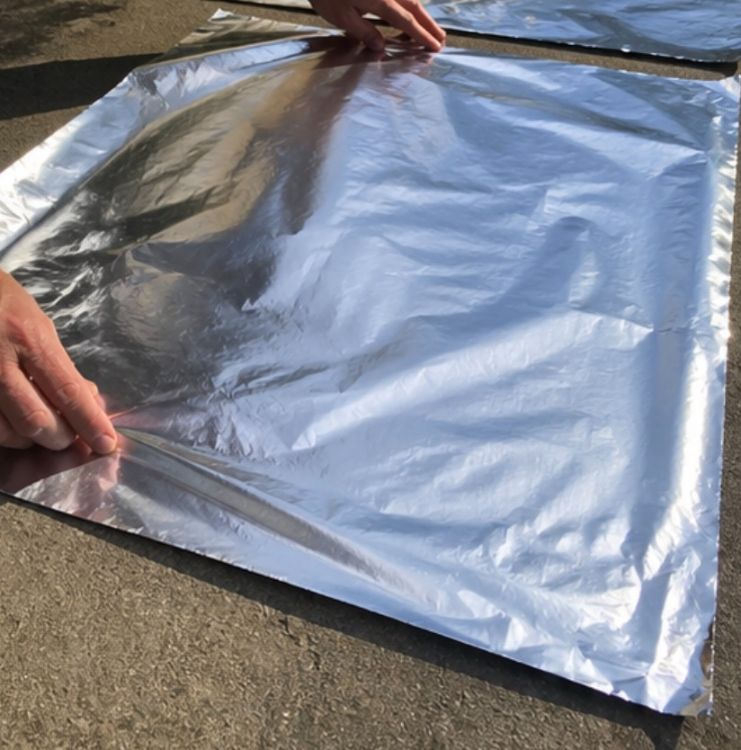
One of the most fascinating aspects of this project is how aluminum foil transforms from a disposable kitchen material into an artistic molding tool.
Crumpled foil naturally forms random folds, ridges, creases, and valleys. These irregular textures are impossible to replicate perfectly by hand, which makes every stepping stone entirely unique.
This randomness is actually what gives the finished pieces their artistic beauty.
Nature itself rarely creates perfect symmetry. Organic environments contain variation, asymmetry, erosion, layering, and unpredictability.
The foil mimics these natural imperfections beautifully.
When concrete hardens against the crumpled surface, it permanently records every detail. Once revealed, the stone appears weathered, textured, and sculptural in ways that resemble naturally occurring rock formations.
Why Organic Texture Feels Luxurious in Outdoor Spaces
Texture plays a major role in how humans perceive beauty and sophistication.
Flat surfaces often feel lifeless or artificial. Textured materials, however, create depth and sensory richness.
Luxury landscape design frequently incorporates textured surfaces such as:
- Natural stone
- Weathered concrete
- Layered rock
- Rough wood
- Gravel
- Sand
- Patinated metals
- Handcrafted ceramics
These materials feel visually interesting because they interact dynamically with sunlight, shadows, rain, and surrounding greenery.
The textured stepping stones created through aluminum foil molding possess this same quality. Their uneven surfaces constantly change appearance depending on lighting and weather conditions.
Why Concrete Became a Luxury Design Material
Concrete was once viewed as purely industrial and functional. Today, it has become one of the most influential materials in modern architecture and high-end landscape design.
Contemporary designers increasingly use concrete because it offers:
- Minimalist beauty
- Sculptural potential
- Durability
- Neutral sophistication
- Organic texture
- Architectural simplicity
Concrete now appears in:
- Luxury homes
- Designer patios
- Modern gardens
- Outdoor kitchens
- Sculptural furniture
- Architectural pathways
- Minimalist interiors
The key difference lies in how the concrete is treated and styled.
Textured concrete feels artistic and elevated rather than cold and industrial.
The Secret Ingredient That Changes Everything: Fine Sand
The addition of fine sand may seem minor, but it dramatically improves the final appearance of the stepping stones.
Fine sand creates:
- Subtle grainy texture
- Enhanced tactile depth
- More natural stone-like appearance
- Softer visual finish
- Improved surface complexity
Without the sand, the concrete might appear overly smooth or artificial.
The sand introduces a weathered natural quality that makes the stones resemble professionally crafted garden pieces rather than simple DIY projects.
Materials Needed for Textured Aluminum Foil Stepping Stones
One reason this project became so popular is because the material list remains simple and affordable.
Materials
- Quick-setting concrete mix
- Large sheets of aluminum foil
- Water
- Fine sand
These inexpensive materials can produce outdoor décor that looks dramatically more expensive than its actual cost.
Step One: Creating the Foil Molds
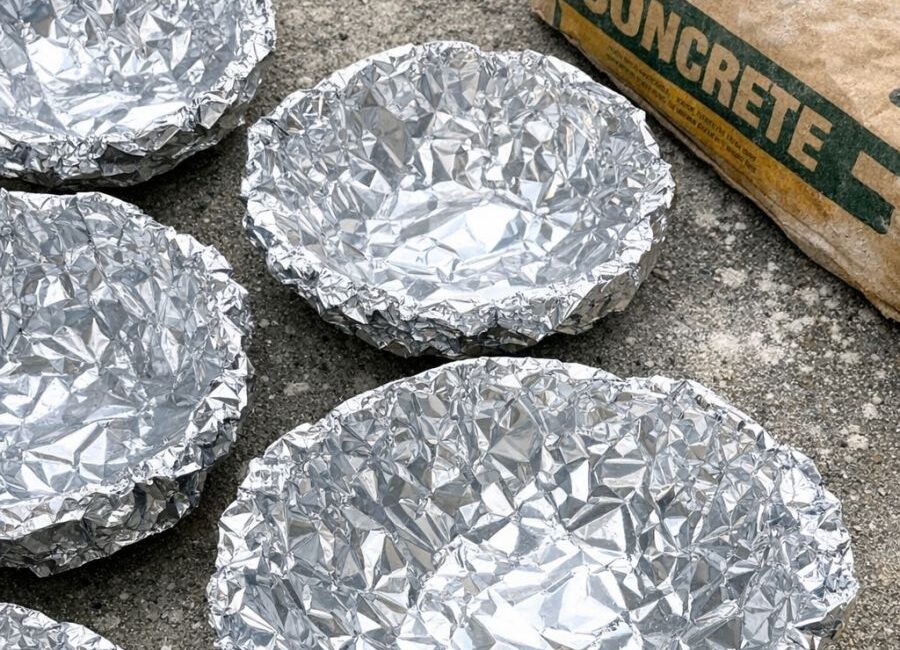
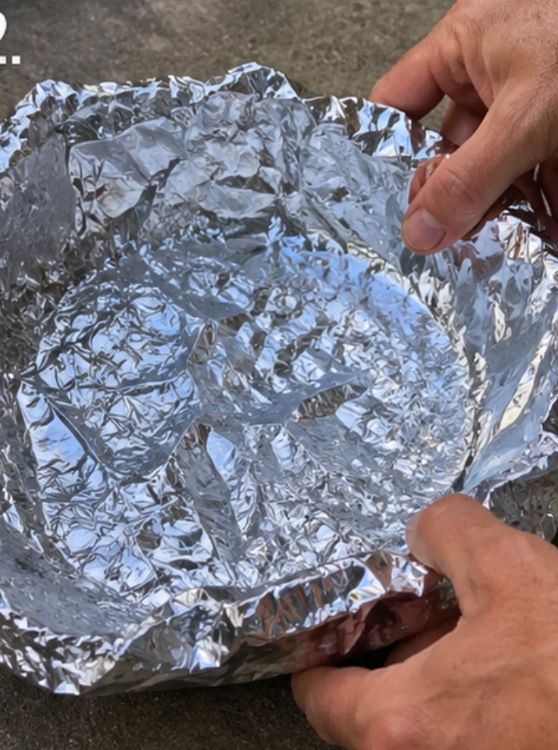
Large aluminum foil sheets are gently crumpled into shallow bowl-like shapes.
This stage is where the artistic process truly begins.
Each fold contributes to the final texture.
Each wrinkle becomes part of the sculpture.
Each crease influences how light will eventually interact with the stone surface.
The beauty of this process is that perfection is unnecessary. In fact, randomness improves the final result.
No two molds will ever look identical, ensuring every stepping stone becomes unique.
Why Handmade Imperfections Feel More Authentic
Modern luxury increasingly embraces imperfection.
Handcrafted surfaces often feel more valuable and emotionally engaging than machine-made perfection because they reflect individuality and natural variation.
This philosophy appears strongly in design movements such as:
- Wabi-sabi
- Organic modernism
- Rustic minimalism
- Artisan craftsmanship
- Mediterranean design
The foil molds naturally create these imperfect textures without requiring advanced artistic skill.
Step Two: Mixing the Concrete
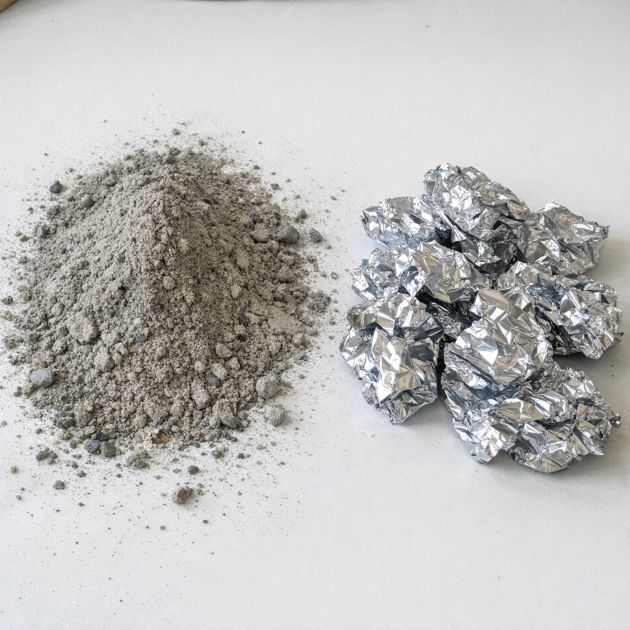
Concrete is mixed according to package instructions before the fine sand is added.
At this stage, the project still appears simple and utilitarian. Yet this ordinary gray mixture will soon transform into sculptural landscape art.
This dramatic transformation is one reason DIY concrete projects feel so satisfying.
Raw industrial material becomes refined decorative design.
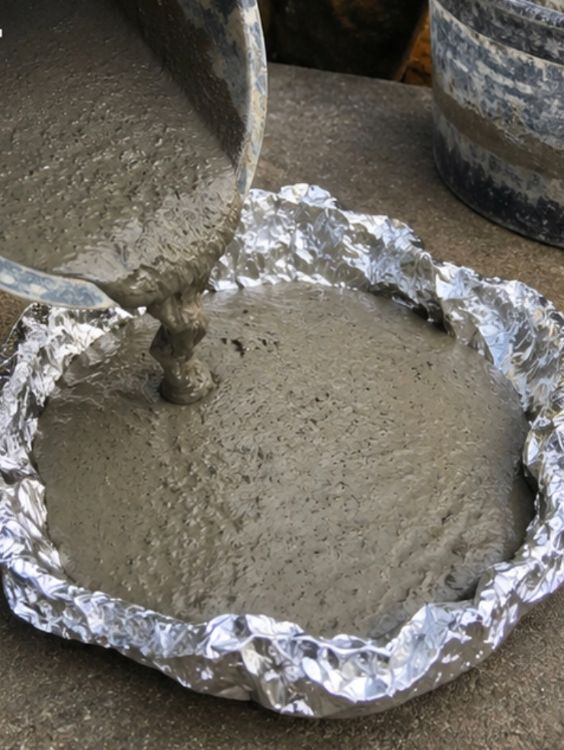
Step Three: Pouring the Concrete Into the Foil
Click page 2 to continue