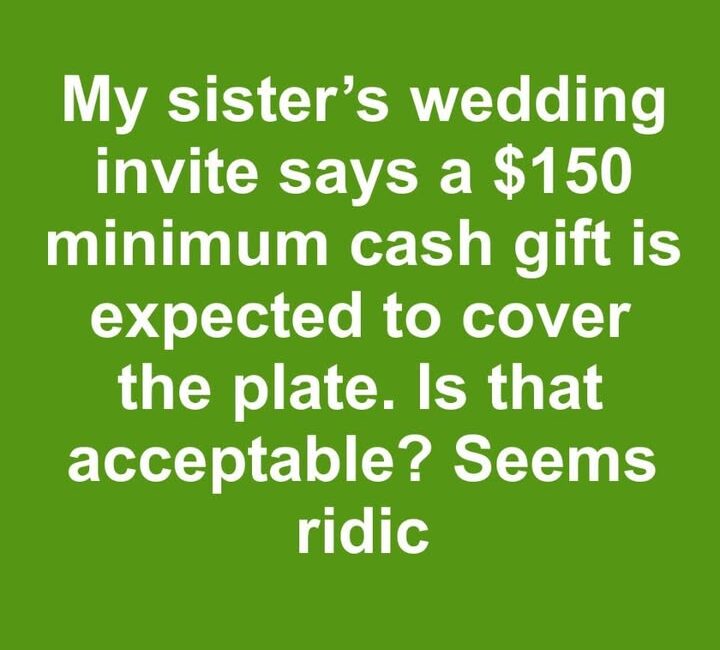
There are respectful ways to communicate preferences without sounding demanding.
For example, couples may:
- create honeymoon funds,
- list home savings funds,
- suggest charitable donations,
- or gently mention that monetary contributions are appreciated.
The key difference lies in tone.
Polite communication emphasizes:
- appreciation,
- flexibility,
- and optional participation.
Demanding minimum amounts shifts the tone toward obligation and control.
Why Guests Should Never Feel Guilty for Giving What They Can
One of the healthiest perspectives on wedding gifting is remembering that gifts should reflect generosity within personal means.
No guest should feel pressured into financial hardship to attend a celebration.
Meaningful gifts are not defined solely by dollar amounts.
Sometimes the most valuable contributions are:
- emotional support,
- presence,
- effort,
- travel,
- or heartfelt connection.
Relationships should never be measured purely financially.
How Family Dynamics Make Wedding Money Issues More Complicated
Money already creates tension within many families.
Weddings often intensify those dynamics.
Siblings may compare:
- gift amounts,
- wedding sizes,
- financial contributions,
- or parental support.
Family expectations sometimes create emotional pressure where people feel obligated to spend beyond their comfort zones to avoid judgment.
This emotional complexity explains why wedding finance debates often become so heated.
The issue is rarely just about money itself.
It is also about:
- respect,
- appreciation,
- social status,
- emotional obligation,
- and belonging.
Why Simpler Weddings Are Becoming More Appealing Again
Interestingly, growing frustration with wedding culture is causing many couples to rethink priorities entirely.
Smaller weddings, intimate ceremonies, backyard receptions, and low-stress celebrations are becoming increasingly attractive.
Many people are rediscovering that meaningful experiences often matter more than extravagant productions.
Simpler weddings frequently create:
- less financial pressure,
- less family conflict,
- and more authentic emotional connection.
The focus shifts back toward relationships rather than performance.
The Psychological Pressure Guests Experience at Weddings
Guests often experience invisible social pressure surrounding weddings.
They worry about:
- dressing appropriately,
- giving enough,
- fitting social expectations,
- and avoiding judgment.
Mandatory gift requests intensify this anxiety significantly.
People may begin calculating:
- whether attendance is affordable,
- whether their gift will be criticized,
- or whether they can realistically participate at all.
This emotional burden contradicts the intended warmth of a celebration.
Better Alternatives to Mandatory Cash Requests
Couples who genuinely need financial support have more respectful options available.
These include:
- smaller guest lists,
- more affordable venues,
- daytime receptions,
- simplified catering,
- community-style gatherings,
- or optional contribution funds.
The healthiest approach is designing a wedding around realistic affordability rather than relying on reimbursement expectations.
This preserves emotional generosity and reduces social tension.
Why Weddings Reveal Deeper Social Values
The debate surrounding mandatory gifts reflects deeper cultural questions about:
- generosity,
- hospitality,
- class expectations,
- and modern relationships.
How people approach weddings often reveals underlying beliefs about:
- community,
- obligation,
- social image,
- and emotional reciprocity.
That is why these conversations become so emotionally charged.
They touch on identity and values, not just etiquette.
The Difference Between Appreciation and Expectation
Healthy celebrations operate through appreciation.
Toxic dynamics emerge through entitlement.
There is a profound emotional difference between:
“We appreciate anything you give”
and
“You are expected to pay this amount.”
One creates warmth.
The other creates pressure.
That distinction shapes how guests emotionally experience the entire event.
Why People Are Increasingly Questioning Wedding Norms
Younger generations are increasingly reevaluating traditional social expectations.
People are questioning:
- expensive customs,
- performative celebrations,
- financial obligations,
- and transactional social norms.
This includes weddings.
Many individuals now prioritize:
- emotional authenticity,
- financial realism,
- and meaningful connection over spectacle.
As a result, conversations about wedding etiquette continue evolving rapidly.
What Truly Makes a Wedding Memorable
Years later, most people rarely remember:
- centerpiece prices,
- catering costs,
- or gift totals.
What they remember are:
- emotional moments,
- laughter,
- conversations,
- music,
- connection,
- and love.
The weddings that leave the deepest emotional impact are usually the ones where people felt genuinely welcomed and appreciated.
Not financially evaluated.
Final Thoughts: Should Couples Ever Mandate Wedding Gift Amounts?
At the center of this debate lies a simple but powerful truth:
A wedding invitation should feel like an invitation — not an invoice.
It is understandable that weddings are expensive.
It is understandable that couples feel financial pressure.
It is understandable that cash gifts are practical and appreciated.
But once financial expectations become mandatory, something emotionally important changes.
The celebration risks becoming transactional.
Guests are not customers purchasing access to a reception.
They are people chosen to witness one of life’s most meaningful moments.
And while generosity is beautiful, true generosity loses meaning when it is demanded.
Perhaps the healthiest weddings are not the ones with the highest budgets, the most extravagant décor, or the most expensive plates.
Perhaps they are the ones where everyone present — regardless of income, gift size, or social status — feels equally valued, welcomed, and emotionally included.
Because in the end, the real purpose of a wedding is not profit.
It is connection, love, and the people willing to stand beside you as your new life begins.