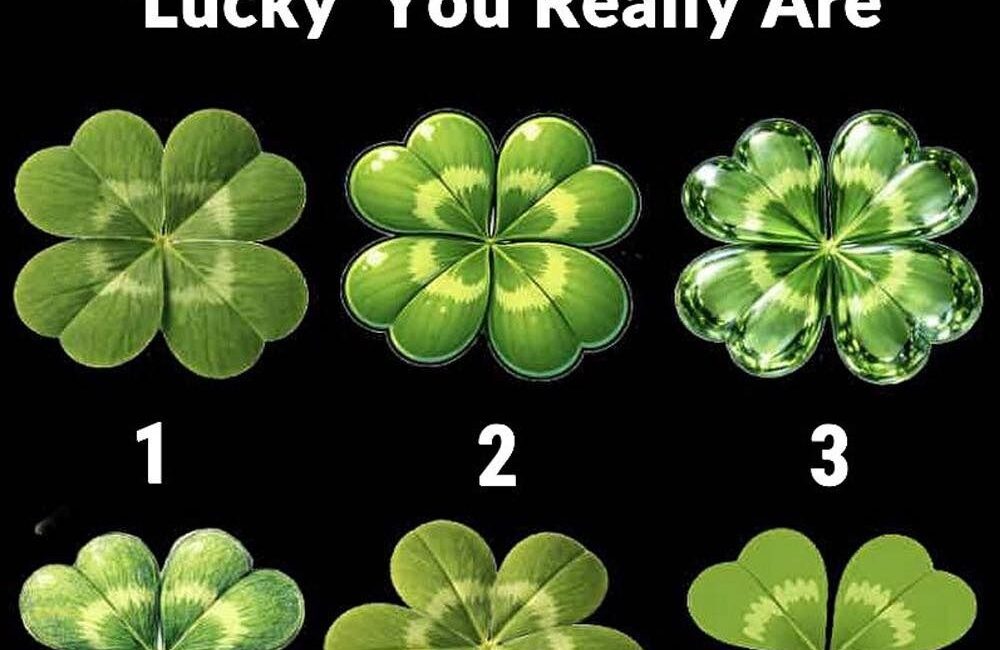
The idea that this test measures “luck” is misleading—but also insightful.
Why?
Because it reveals a deeper truth:
👉 What we call “luck” is often a combination of perception, awareness, and decision-making.
Redefining Luck: A Psychological Perspective
Traditionally, luck is seen as:
- Random
- Unpredictable
- Outside of control
But in reality, many outcomes in life are influenced by:
- What you notice
- How you interpret situations
- The decisions you make
Concept to Learn: Constructed Luck
“Constructed luck” refers to the idea that:
👉 People who notice more opportunities and act on them appear luckier.
Perception and Opportunity: Why Some People Seem Luckier Than Others
Two people can face the same situation and experience different outcomes.
Why?
Because one may:
- Notice subtle opportunities
- Act quickly
- Trust their judgment
While the other may:
- Hesitate
- Overlook details
- Doubt their choices
This difference creates the illusion that one person is “luckier.”
The Role of Intuition vs Logic in Decision-Making
This puzzle also highlights the balance between:
- Intuition (fast, emotional, instinctive)
- Logic (slow, analytical, structured)
Both are valuable—but they lead to different choices.
Concept to Learn: Dual Processing Theory
The brain operates using two systems:
- System 1: Fast, intuitive thinking
- System 2: Slow, analytical thinking
Your choice reflects which system you relied on more in that moment.
Why These Tests Go Viral: The Psychology of Self-Discovery
People are naturally curious about themselves.
When a simple test promises insight into:
- Personality
- Thinking style
- “Luck”
It becomes highly engaging.
This is because it triggers:
The Self-Reflection Loop
You:
- Make a choice
- Read the interpretation
- Compare it to your identity
- Reflect on whether it feels accurate
This process is satisfying, even if the test is not scientific.
The Real Value of the Clover Puzzle
This test is not valuable because it tells you who you are.
It is valuable because it shows you:
- How you observe
- How you decide
- What you prioritize
Applying This Insight to Real Life
The way you approached this puzzle can reflect how you handle:
- Decisions at work
- Social situations
- Problem-solving
- Opportunities
Example
If you focused on:
- Details → You may excel in analysis
- Intuition → You may trust gut decisions
- Simplicity → You may act quickly and efficiently
The Power of Awareness: The True Advantage
The most important takeaway is not your answer.
It is your awareness of how you arrived at that answer.
Concept to Learn: Meta-Cognition
Meta-cognition means:
👉 Thinking about your own thinking.
This is one of the most powerful skills you can develop.
Beyond the Puzzle: Life Rarely Has One Correct Answer
Just like this test:
- Many situations in life are ambiguous
- There is often no single “correct” choice
- Outcomes depend on interpretation
What matters is not perfection, but:
- Clarity
- Confidence
- Adaptability
Conclusion: The Real Meaning of “Luck”
The clover puzzle may seem like a playful challenge, but it reveals something deeper about human nature.
It shows that:
- Perception shapes reality
- Decisions shape outcomes
- Awareness shapes growth
The idea of “luck” is not just about chance.
It is about:
- What you notice
- How you interpret it
- What you choose to do next
So instead of asking:
“Am I lucky?”
A more powerful question is:
“How do I see the world—and how does that shape what happens to me?”
Because in the end, the real difference between people is not luck.
It is perception.
And perception… can be trained, refined, and mastered.