Rituals — even small private ones — have measurable psychological effects.
Research shows that ritualistic behaviors:
- Reduce anxiety
- Increase sense of control
- Improve emotional regulation
- Strengthen bonds
Even if the ritual has no direct physical mechanism, its psychological effect can be real.
In your grandmother’s case:
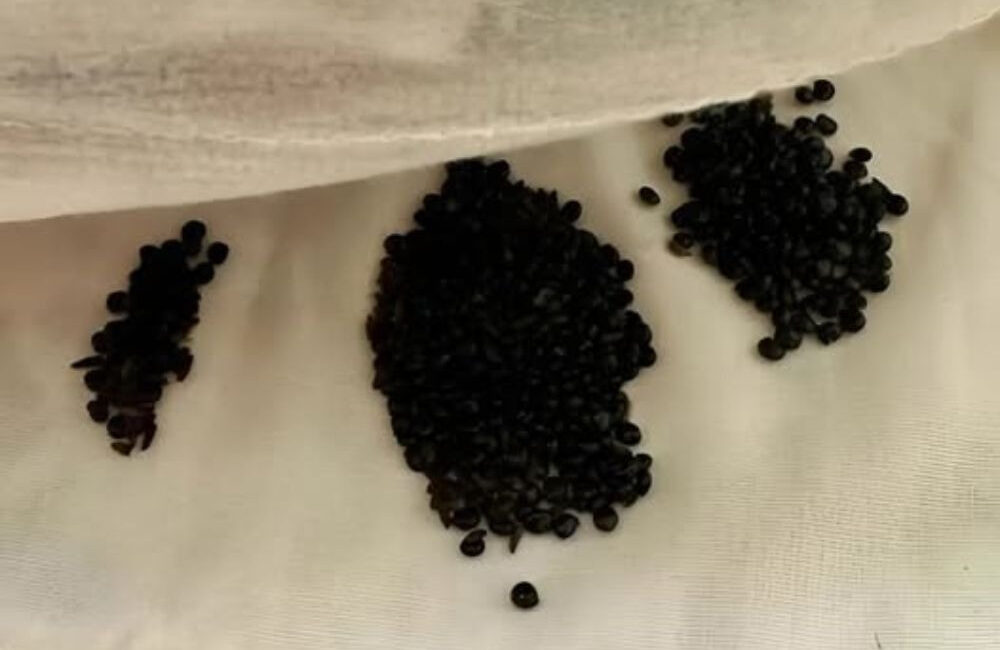
Placing kalonji under your mattress likely gave her peace of mind.
It allowed her to act on concern.
It turned worry into action.
Humans don’t like feeling helpless.
Ritual converts helplessness into agency.
Why This Felt “Way More Amazing”
At first, you feared infestation.
Then you discovered intention.
That emotional reversal is powerful.
It transforms disgust into tenderness.
The same black grains that triggered fear now carried:
Heritage
Memory
Protection
Care
The object didn’t change.
The meaning did.
And meaning shapes emotion.
The Hidden Blessing Effect
There’s something deeply intimate about hidden blessings.
Not public.
Not announced.
Not performative.
Just quietly placed.
It’s different from:
“I prayed for you” said loudly.
It’s more like:
“I did something small, just for you.”
And you weren’t meant to know.
Until you found it.
That surprise — the realization that someone thought of you privately — can feel unexpectedly moving.
Because it reveals unseen care.
The Broader Cultural Pattern
Many cultures include similar acts:
- Coins placed in foundations for prosperity
- Herbs in pillows for peaceful sleep
- Amulets sewn into clothing
- Salt scattered at doorways
They are not about controlling fate.
They are about expressing hope.
Human beings have always tried to influence uncertainty.
When outcomes are beyond control, symbolism becomes a tool.
Not irrational.
Human.
Why It Matters That You Investigated Instead of Panicking
You could have:
- Thrown away the mattress
- Called pest control
- Assumed infestation
Instead, you examined.
You asked.
You researched.
That moment reflects something important.
Curiosity over fear.
And that shift transformed the story.
The Modern Lens: Skepticism Meets Tradition
Today’s world often separates:
Science
Tradition
But historically, they were intertwined.
Herbal medicine evolved into pharmacology.
Protective rituals evolved into psychological coping mechanisms.
Even if you don’t believe in spiritual energy, you can recognize:
The act of caring.
The symbolic meaning.
The generational continuity.
And sometimes that is enough.
A Quiet Reflection on Grandmothers
Grandmothers often hold onto older frameworks of protection.
Not because they reject modern medicine.
But because their worldview includes both.
They may believe in:
Doctors and prayers.
Medication and herbs.
Science and blessing.
These are not always mutually exclusive in lived experience.
Your grandmother didn’t undermine your autonomy.
She added something quietly.
And when you asked, she laughed.
Because for her, it was simple.
Care.
Final Thoughts: From Fear to Connection
You found something under your mattress.
At first, it symbolized danger.
Then it symbolized love.
The black seeds did not change.
Your understanding did.
And that’s the deeper lesson.
Not everything hidden is harmful.
Sometimes it’s heritage.
Sometimes it’s protection.
Sometimes it’s a grandmother trying to keep the world from touching you too harshly.
You flipped the mattress expecting dust.
You found culture.
You found intention.
You found quiet care.
And that’s far more amazing than insect eggs.