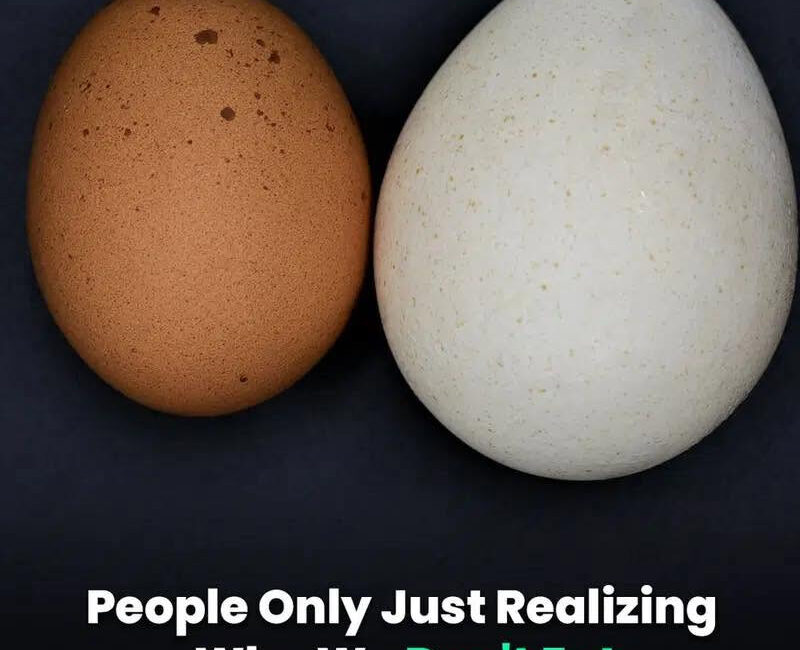
Emerging Interest in Turkey Eggs
Although turkey eggs are still rare and difficult to find, there are signs that they could experience a revival in the coming years. As consumers continue to seek out alternative and specialty foods, there may be room for turkey eggs to carve out a niche market. This revival could be driven by several factors:
- Demand for Unique Ingredients: As people become more adventurous with their food choices, there is growing interest in unique ingredients, including turkey eggs. Chefs and food enthusiasts are always on the lookout for new, flavorful options to add to their repertoire, and turkey eggs could fit the bill. The rich flavor and larger
size of turkey eggs make them ideal for gourmet cooking, baking, and even artisan egg products.
- Small-Scale, Sustainable Farming: There is a growing movement toward sustainable farming practices that prioritize animal welfare and environmental responsibility. Small-scale turkey farms that focus on ethical, free-range practices could help address some of the issues that have previously made turkey egg production less attractive. This could lead to a more sustainable and consumer-friendly approach to turkey egg production.
- Health Consciousness: As people become more aware of the nutritional value of their food, turkey eggs could be seen as a superfood due to their higher yolk content and richer nutritional profile compared to chicken eggs. Their higher protein content and increased levels of vitamins and minerals might make them an attractive option for health-conscious consumers.
Conclusion: Turkey Eggs, A Forgotten Treasure?
While turkey eggs may never replace chicken eggs as the world’s primary source of eggs, they represent a fascinating and complex story that combines biology, economics, culture, and sustainability. The reasons we don’t eat turkey eggs are rooted in a combination of factors: their challenging production, cultural preferences, and economic realities. However, as the world shifts towards more sustainable and diverse food systems, there may be room for turkey eggs to make their way into kitchens around the world.
The next time you find yourself enjoying a delicious turkey dinner, take a moment to appreciate the history and effort that has gone into making this bird a culinary staple. And who knows? Maybe in the future, we’ll be able to enjoy turkey eggs alongside chicken eggs on our breakfast plates, marking the return of a long-forgotten food source.