Introduction
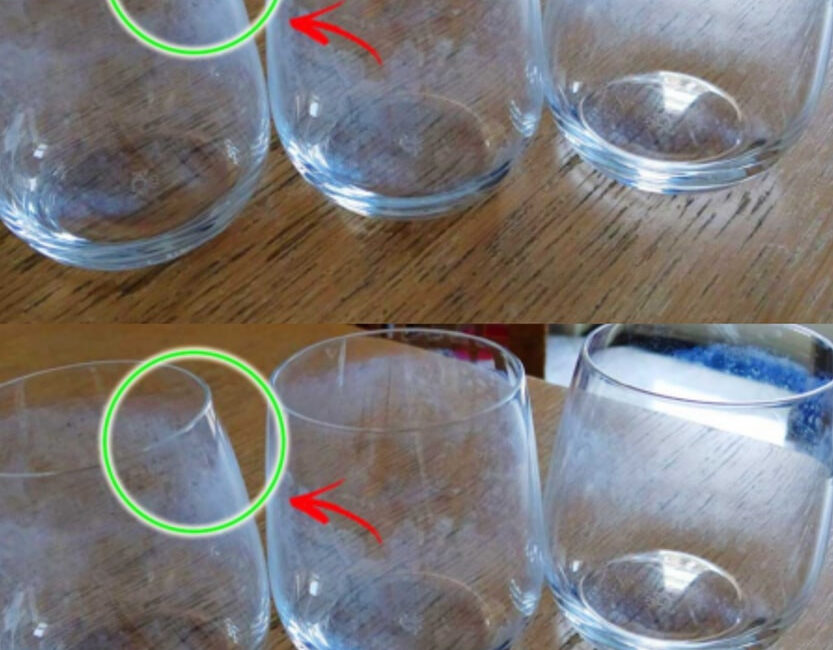
We’ve all been there. You clean your glasses, only to find that they’re covered in a mysterious white film that just won’t seem to go away, no matter how many times you wipe or wash them. Whether it’s your favorite pair of sunglasses, your everyday eyeglasses, or the glasses you use to drink your morning coffee, that stubborn film can be frustrating and make your lenses look cloudy or hazy. The white film that appears on glasses is often a common issue faced by people who wear glasses regularly, and it can affect the clarity of vision and the overall aesthetics of your eyewear.
But here’s the million-dollar question: Can you really remove the white film from glasses, and why does it appear in the first place?
The answer, as with many things in life, isn’t as simple as a “yes” or “no.” It largely depends on three key factors: the type of glasses, the cause of the white film, and the cleaning methods you choose. In this article, we’ll break down each of these factors in detail, explain why the white film forms, and explore the best methods to remove it, along with some preventative measures to keep your glasses looking crystal clear.
By the end of this article, you’ll have a deeper understanding of the causes of the white film on your glasses, how to deal with it effectively, and how to prevent it from recurring in the future.
1. The Type of Glasses: Different Lenses, Different Problems
Before diving into the specifics of why and how to remove the white film from your glasses, it’s important to consider the type of glasses you own. The material and coating of your lenses can greatly influence the appearance of that stubborn white film. Not all glasses are created equal, and understanding what you’re working with will help you choose the best approach for cleaning.
Eyeglasses (Prescription Lenses)
If you’re someone who wears prescription glasses, you know that your lenses come with coatings designed to improve durability, reduce glare, and protect the lenses from scratches. These coatings, such as anti-reflective, anti-scratch, and UV protection coatings, are fantastic for improving your vision and lens longevity. However, they can also be more prone to developing that pesky white film over time.
Why the White Film Appears on Eyeglasses:
- Mineral Build-Up: Eyeglasses often develop a white film when minerals, like calcium or magnesium, in tap water or sweat accumulate on the lens surface. Over time, these minerals bond to the lens and form a white, chalky coating.
- Coating Wear and Tear: Anti-reflective coatings, in particular, can wear off or deteriorate after prolonged exposure to oils, dirt, or harsh cleaning products. When this happens, the coating may develop a white residue that can be difficult to remove.
- Overzealous Cleaning: Aggressive cleaning with rough materials like paper towels or tissue paper can damage the coatings on the lenses. This damage may cause a film to form, which can appear cloudy and impair vision.
Sunglasses
Sunglasses, especially those with polarized lenses, can also develop a white film. Since they’re often exposed to different environmental conditions, such as saltwater, chlorine, dirt, and sunblock, these elements can contribute to the appearance of a white film.
Why the White Film Appears on Sunglasses:
- Salt and Chlorine: If you frequently wear your sunglasses while at the beach or pool, the combination of saltwater and chlorine can build up on the lenses, leaving behind white streaks or residue.
- Sunblock: Many people apply sunblock to their faces without considering the impact it may have on their sunglasses. As sunblock melts with heat and sweat, it can leave a greasy, white film on your lenses.
- Airborne Pollutants: Sunglasses often endure exposure to airborne pollutants, dust, and dirt that can leave a white film, especially if they’re not cleaned regularly.
Eyewear with Specialized Coatings (Blue Light, Anti-Glare, etc.)
If you wear glasses with blue light blocking, anti-glare, or other specialized coatings, the white film problem may be more pronounced due to the unique characteristics of these coatings.
Why the White Film Appears on Coated Lenses:
- Coating Breakdowns: Like anti-reflective coatings on prescription lenses, coatings on specialty glasses can wear over time. This can result in a film or fog that appears on the lenses, particularly if they are exposed to cleaning products that are too harsh for the delicate coatings.
- Chemical Reactions: Certain cleaning chemicals or abrasive materials can react with the coatings on these lenses, leading to the formation of a white, foggy residue.
2. The Cause of the White Film: Why Does It Happen?
Now that we understand the different types of glasses, let’s focus on the core question: What causes the white film to appear in the first place?
Hard Water Deposits (Mineral Build-Up)
One of the most common causes of white film on glasses is hard water deposits. Hard water contains high levels of minerals like calcium, magnesium, and iron. When you clean your glasses with tap water, these minerals can leave behind a cloudy white residue. Over time, this builds up on your lenses, making them appear foggy and unclear.
How to Identify Hard Water Residue:
- The white film looks similar to soap scum or chalky streaks.
- It may be more noticeable around the edges of the lenses, where the water tends to dry.
- Hard water stains often appear after cleaning your glasses with tap water instead of distilled or purified water.
Sweat, Oils, and Skin Residue
Another common cause of white film on your lenses is the build-up of sweat, natural oils, and skin residue. Our skin naturally secretes oils and sweat, which can accumulate on your glasses, leaving behind a greasy film that may dry up into a white residue. If you wear your glasses throughout the day, this can become even more pronounced, especially if you frequently adjust them or touch the lenses with your hands.
How to Identify Sweat and Oil Residue:
- The film may appear greasy or smudged initially, and over time, it may turn into a cloudy, white film.
- You may notice this happening more often if you live in a humid climate or if you wear your glasses while exercising.
Cleaning Products and Abrasive Materials
Using the wrong cleaning products or materials can also result in a white film forming on your lenses. Harsh chemicals, abrasive wipes, or rough fabrics can damage the coatings on your glasses, leaving behind a residue. Over time, this can degrade the lens coatings, making it more difficult to keep your glasses clean.
How to Identify Cleaning Product Damage:
- The white film may appear after using a paper towel, tissue, or cloth that’s too rough.
- You might notice streaks or scratches that weren’t there before, which are signs that the lens coatings have been damaged.
3. How to Remove the White Film: Best Cleaning Methods
Now that we know why the white film appears on glasses, the next step is understanding how to remove it effectively. Whether it’s caused by hard water deposits, skin residue, or damaged coatings, the cleaning methods you use can make a big difference. Here are some of the best ways to get your lenses looking clear and spotless again.
click page 2 to continue