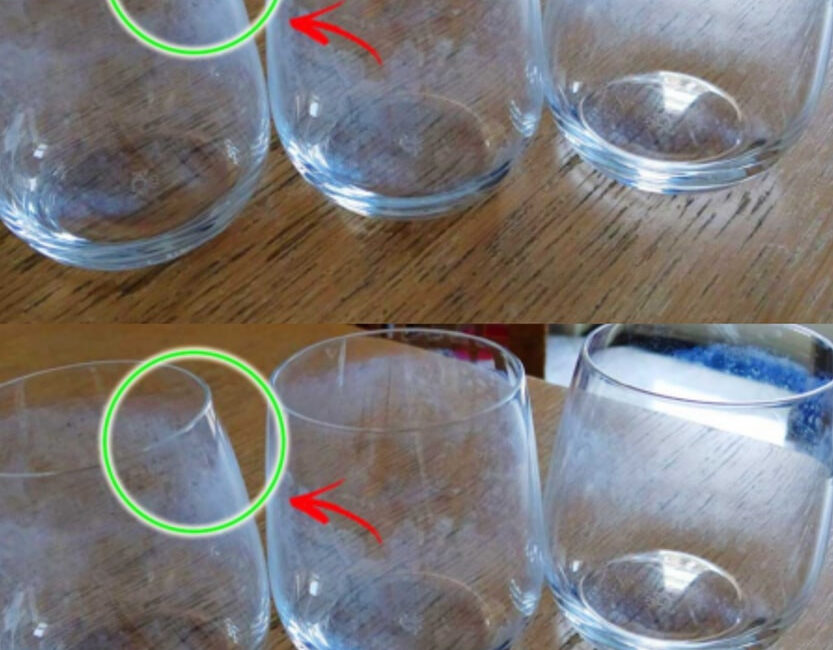
Method 1: Use a Microfiber Cloth
The simplest and safest method for removing the white film is using a microfiber cloth. Microfiber is incredibly effective at picking up oils, dust, and water stains without damaging the lenses or their coatings.
- How to Use It: Gently wipe your lenses with a clean microfiber cloth, starting from the center and moving outward. Make sure to use a soft, circular motion, avoiding any aggressive rubbing.
- Why It Works: Microfiber cloths are designed to attract and trap dirt, oils, and residue without scratching the lens. They are gentle on the coatings and will not leave behind any lint or additional residue.
Method 2: Rinse with Distilled Water
If you suspect the white film is caused by hard water deposits, the best solution is to rinse your glasses with distilled water. Distilled water contains no minerals, which means it won’t leave behind any residue.
- How to Use It: Rinse your glasses under lukewarm distilled water. Make sure the water runs over both sides of the lenses. Then, gently dry the lenses with a microfiber cloth.
- Why It Works: Distilled water doesn’t contain the minerals found in tap water, so it won’t cause additional build-up on your lenses.
Method 3: Use a Lens Cleaner or Mild Dish Soap
For more stubborn films, a lens cleaner designed for eyeglasses or a mild dish soap can help. These cleaners are specially formulated to break down oils, dirt, and grime without damaging lens coatings.
- How to Use It: Apply a small amount of lens cleaner to each lens and gently rub with a microfiber cloth. Alternatively, you can mix a few drops of mild dish soap with water and wash your glasses with your fingers. Be sure to rinse thoroughly to remove any soap residue.
- Why It Works: Lens cleaners and dish soap break down oils and other substances that create films on lenses, while also being gentle enough to avoid damaging the coating.
Method 4: Avoid Using Abrasive Materials
Avoid using harsh materials like paper towels, tissues, or any rough cloths to clean your glasses. These materials can scratch your lenses or damage the coatings, leading to the formation of more stubborn white films.
- Why It Works: Abrasive materials can cause microscopic scratches on the lens surface, which makes it easier for dirt and residue to settle in. This can result in an even thicker white film that’s harder to remove.
4. How to Prevent the White Film from Returning
Once you’ve successfully removed the white film from your glasses, the last thing you want is for it to return. Here are a few tips to help keep your glasses looking spotless for longer.
Regular Cleaning Routine
Make sure to clean your glasses regularly using the methods we’ve discussed above. The more often you clean them, the less likely dirt, oils, and minerals will accumulate on the lenses.
Use a Lens Cleaning Spray
Consider using a lens cleaning spray regularly, especially if you wear your glasses all day long. These sprays are designed to break down oils and minerals and keep your glasses clear without damaging the coatings.
Avoid Exposure to Harmful Substances
Try to avoid exposing your glasses to substances like sunblock, saltwater, or harsh chemicals. If you wear sunglasses at the beach or pool, be sure to rinse them off after each use to remove salt and chlorine residue.
Conclusion: The Key to Clear, Spotless Glasses
In conclusion, the white film that appears on your glasses can be removed, but the process depends on a variety of factors, including the type of glasses, the cause of the film, and the cleaning methods you choose. By understanding the underlying reasons behind the white film and using the right cleaning techniques, you can restore clarity and prevent the film from returning in the future.
Remember to be gentle with your lenses, avoid using abrasive materials, and clean them regularly to keep them in top condition. With the right care, your glasses will continue to offer clear vision without the frustrating white film.