There is something deeply satisfying about transforming broken, forgotten objects into something unexpectedly beautiful. In an era where modern home décor increasingly values sustainability, creativity, and handcrafted charm, one DIY garden trend is capturing attention everywhere: turning shattered terracotta pots and random junk drawer items into a breathtaking tiered herb garden.
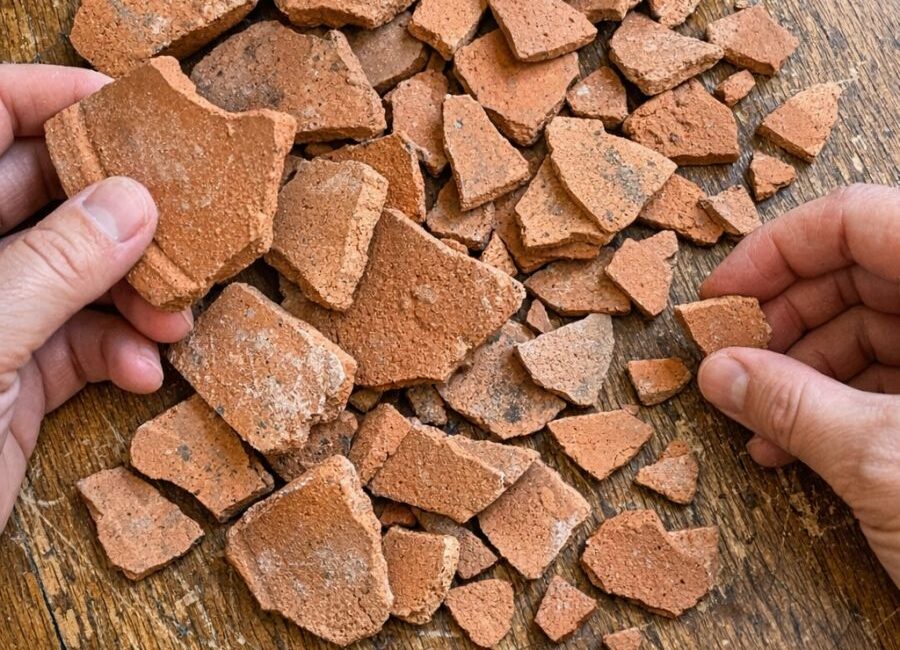
At first glance, broken terracotta shards appear useless. Most people sweep them into a trash bag without a second thought. Cracked flowerpots are often seen as the unfortunate end of a gardening mishap — a dropped planter, a weather-worn container, or an accidental collision on the patio. Yet hidden inside those jagged clay fragments lies incredible design potential.
By stacking terracotta shards together with a few simple household items like wire, brackets, and bottle caps, DIY enthusiasts are creating miniature sculptural herb gardens that look artistic, rustic, and astonishingly expensive. The finished project feels like something discovered in a charming Mediterranean courtyard or a designer farmhouse kitchen. Guests stare in disbelief when they learn it started with broken pottery and forgotten drawer clutter.
The rise of this trend reflects something much bigger happening in modern lifestyle culture. People are moving away from disposable decorating habits and rediscovering the beauty of repurposing. Instead of buying mass-produced garden décor, homeowners are crafting meaningful handmade pieces that carry texture, personality, and uniqueness impossible to find in ordinary store shelves.
This terracotta herb garden trend embodies that philosophy perfectly. It combines sustainability, creativity, practicality, and visual warmth in one compact project. More importantly, it transforms waste into living beauty.
The layered structure of the tiered herb garden creates visual movement and architectural depth. Each terracotta shard contributes organic texture and earthy warmth, while the herbs themselves bring life, fragrance, and functionality into the arrangement. Together, the materials form a piece that feels simultaneously ancient and modern — rustic yet artistic.
One reason this project has become so popular is because it appeals to multiple lifestyle trends at once. It satisfies the growing love for:
- Sustainable home décor
- Cottagecore aesthetics
- Rustic farmhouse design
- DIY gardening
- Urban herb cultivation
- Budget-friendly landscaping
- Handmade artistic décor
- Small-space gardening solutions
As people spend more time improving their homes and outdoor spaces, projects like this feel especially rewarding. They are affordable, emotionally satisfying, environmentally conscious, and visually transformative.
Unlike traditional planters that often feel static or generic, stacked terracotta gardens possess natural movement and character. Every crack, curve, and irregular edge contributes to the final artistic composition. No two pieces are ever identical. This uniqueness gives the project authenticity and soul.
The natural warm orange tones of terracotta also play a major role in the project’s charm. Terracotta has been used in gardens and architecture for thousands of years because of its timeless beauty. Its earthy coloration blends effortlessly with greenery, wood, stone, and natural textures. When broken and reassembled creatively, it gains even more personality.
The layered herb garden also serves practical purposes beyond aesthetics. Fresh herbs become accessible directly in kitchens, balconies, patios, or windowsills. Basil, thyme, mint, oregano, rosemary, parsley, and other herbs thrive beautifully in terracotta because the porous clay allows healthy airflow and moisture regulation.
This means the project combines decorative elegance with genuine functionality — a quality increasingly valued in modern interior and garden design.
Another fascinating aspect of this trend is its emotional impact. Handmade garden projects often create strong emotional attachment because they involve creativity, patience, and personal expression. Unlike buying pre-made décor, constructing something with your own hands creates pride and connection.
Every shard placed carefully into the structure becomes part of a story. Every herb planted adds life and growth. The finished result becomes more than decoration; it becomes a reflection of creativity and transformation itself.
In many ways, this project symbolizes modern sustainable living. Broken objects are not discarded but reimagined. Waste becomes beauty. Forgotten materials gain new purpose. Small spaces become lush and inviting.
As rustic gardening aesthetics continue growing in popularity, tiered terracotta herb gardens are quickly becoming one of the most admired DIY décor trends in homes everywhere.
Why Terracotta Has Remained Timeless in Garden Design
Terracotta has existed in architecture and gardening for centuries, and its appeal has never disappeared. The word itself originates from Italian, meaning “baked earth,” which perfectly describes its warm organic character.
Unlike plastic or synthetic planters, terracotta possesses authenticity. Its natural clay texture feels grounded, earthy, and calming. This raw simplicity is exactly why terracotta continues dominating rustic, Mediterranean, farmhouse, and cottage-style design.
One of terracotta’s greatest strengths is how beautifully it ages. Over time, exposure to water, soil, and sunlight creates natural patina, discoloration, and texture variation that enhance its charm rather than diminish it.
Broken terracotta pieces become even more visually interesting because the fractures expose raw clay edges and create irregular shapes full of character.
In luxury landscape design, imperfect materials are often valued precisely because they feel organic and natural. Perfect symmetry can sometimes appear cold or artificial. Cracked terracotta, however, feels authentic and lived-in.
The warmth of terracotta also complements greenery perfectly. Herbs and plants appear more vibrant against earthy clay tones. This visual harmony explains why terracotta remains one of the most beloved materials in gardening history.
When transformed into a stacked herb garden sculpture, terracotta becomes more than functional pottery — it becomes art.
The Rise of Sustainable DIY Garden Décor
The popularity of projects like this reflects a major cultural shift toward sustainability and mindful living.
People are increasingly rethinking waste and consumption habits. Instead of immediately discarding damaged items, many now search for creative ways to repurpose them.
Broken terracotta pots are ideal for upcycling because:
- They are durable
- They possess natural beauty
- Their fragments create texture
- They blend seamlessly with plants
- They weather attractively outdoors
This DIY project turns what would normally become landfill waste into functional living décor.
The emotional satisfaction of sustainable creativity also plays a huge role. There is something deeply rewarding about saving materials from disposal and transforming them into something beautiful.
This process feels meaningful because it aligns aesthetics with environmental consciousness.
Why Tiered Herb Gardens Are So Popular Right Now
Herb gardens themselves have experienced a massive rise in popularity recently.
Several factors contribute to this trend:
- Increased interest in cooking at home
- Growing awareness of fresh ingredients
- Desire for healthier lifestyles
- Urban gardening trends
- Small-space living solutions
- Decorative kitchen gardening
Tiered designs are especially appealing because they maximize vertical space. Even tiny balconies, patios, or windowsills can accommodate layered herb gardens.
The vertical arrangement also creates stronger visual impact than flat traditional planters.
Different levels naturally guide the eye upward, adding movement and architectural structure to the display.
This layered effect makes small herb gardens appear fuller, more abundant, and professionally designed.
The Hidden Beauty of Imperfection
One reason people become emotionally attached to this project is because it celebrates imperfection.
Modern mass production often prioritizes flawless surfaces and identical products. Handmade terracotta gardens move in the opposite direction. Cracks, uneven edges, and asymmetry become desirable features rather than flaws.
This philosophy connects deeply with rustic and organic design styles that value authenticity over perfection.
Broken terracotta shards create:
- Organic texture
- Natural irregularity
- Visual depth
- Artistic unpredictability
Each piece contributes differently to the structure, making every garden unique.
This uniqueness is impossible to replicate with factory-made décor.
Materials Needed for the Tiered Terracotta Herb Garden
One reason this project feels accessible is because it requires very few materials.
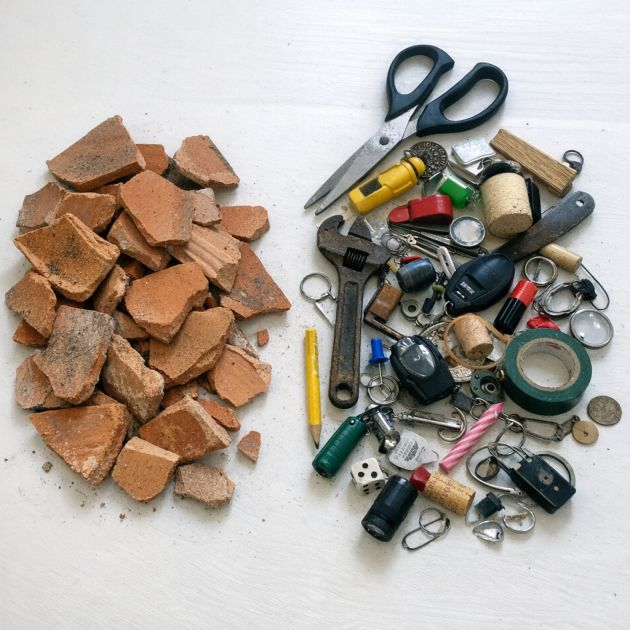
Broken Terracotta Shards
The foundation of the project comes from shattered flowerpots.
Larger shards typically work best for structural bases, while smaller pieces create upper tiers and decorative details.
Metal Bracket
A small bracket provides extra support and stability between layers.
Sturdy Wire
Wire helps secure the structure and connect different tiers safely.
Plastic Bottle Cap
The bottle cap acts as a miniature water reservoir or decorative top detail.
Strong Adhesive
Ceramic-safe adhesive is essential for holding the structure together securely.
Potting Soil
Lightweight nutrient-rich soil supports healthy herb growth.
Herb Plants
Popular choices include:
- Basil
- Thyme
- Mint
- Rosemary
- Parsley
- Oregano
- Chives
- Sage
Step-by-Step Process for Building the Garden
The construction process itself feels creative and artistic rather than mechanical.
Step 1: Sort the Terracotta Shards
Begin by organizing pieces according to size and shape.
Large stable fragments form the lower foundation.
Smaller shards create elevated levels and decorative layering.
Step 2: Build the Base
Using adhesive, the largest shards are arranged into a stable platform capable of holding soil.
Careful positioning matters for balance.
Step 3: Add Structural Support
The metal bracket reinforces the base and improves durability.
This step is especially important for taller tiered arrangements.
Step 4: Create Additional Tiers
Smaller shards are stacked gradually upward using adhesive and wire support.
This stage resembles sculptural assembly more than traditional gardening.
Step 5: Secure with Wire
Wire creates hidden reinforcement connecting the layers together.
It also adds subtle industrial texture if partially exposed intentionally.
Step 6: Add the Bottle Cap Reservoir
The bottle cap at the top serves as a tiny decorative reservoir or watering feature.
Step 7: Fill with Soil
Each level receives soil carefully without overloading the structure.
Step 8: Plant the Herbs
Herbs are arranged according to height, sunlight needs, and visual composition.
The final result feels alive, artistic, and beautifully rustic.
Why Rustic Garden Design Feels So Comforting
Rustic décor has become increasingly popular because it creates emotional warmth.
Unlike ultra-modern minimalism, rustic design emphasizes:
- Texture
- Imperfection
- Natural materials
- Earthy colors
- Handmade craftsmanship
These qualities create spaces that feel calming and welcoming.
Terracotta herb gardens embody rustic comfort perfectly. The clay tones feel warm and grounded, while the living greenery introduces freshness and softness.
Together, they create visual balance and emotional coziness.
Best Herbs for a Tiered Terracotta Garden
Choosing the right herbs enhances both beauty and practicality.
Basil
Basil provides lush vibrant greenery and wonderful fragrance.
Its broad leaves create fullness in the arrangement.
Thyme
Thyme spills beautifully over edges, softening hard terracotta lines.
Mint
Mint grows rapidly and creates refreshing scent.
However, it should be monitored carefully because it spreads aggressively.
Rosemary
Rosemary adds vertical structure and elegant needle-like texture.
Parsley
Parsley creates dense bright green clusters ideal for lower tiers.
Oregano
Oregano provides soft cascading growth perfect for layered gardens.
Small-Space Gardening and Urban Living
Click page 2 to continue