There are certain DIY projects that completely change the way people look at ordinary materials forever.
Not because the process is complicated.
Not because the materials are rare.
And not because the final result costs a fortune.
But because the transformation feels almost impossible.
That is exactly what people are saying about one incredibly creative home décor trend that has suddenly exploded across modern interior design spaces:
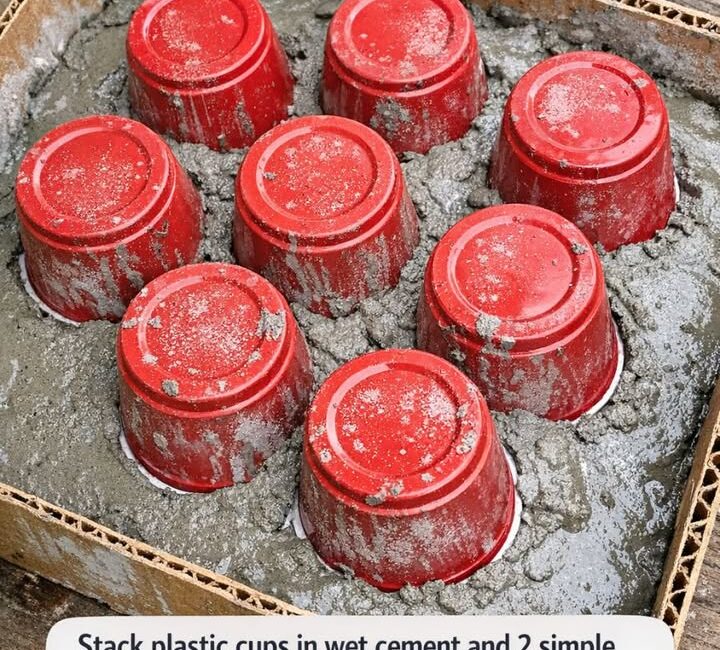
stacking simple plastic cups into wet cement and turning the resulting shapes into geometric candle holders so elegant that guests assume they came from a luxury design store.
At first glance, the materials sound almost laughably basic.
Plastic party cups.
Wet cement.
A cardboard box.
Nothing about those supplies suggests sophistication, artistry, or upscale décor.
Yet once the cement cures and the cups are removed, something remarkable happens.
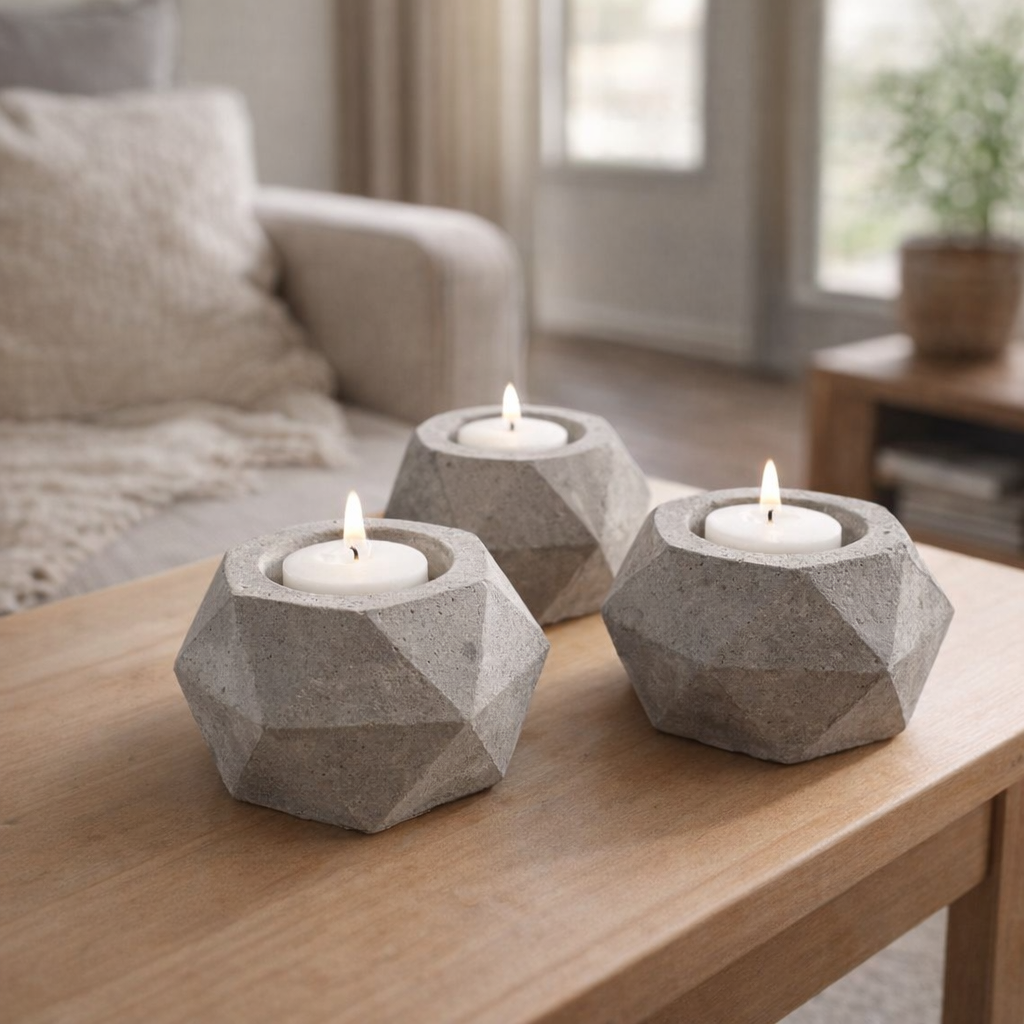
Perfectly sculpted geometric recesses emerge from the concrete surface, creating minimalist candle holders with:
- architectural lines,
- sculptural depth,
- industrial elegance,
- and modern artistic texture.
The finished pieces resemble something you would expect to see in:
- a luxury interior design showroom,
- an upscale minimalist apartment,
- a boutique décor gallery,
- or a modern architecture magazine.
The smooth cement surfaces combined with sharp geometric cavities create a visual effect that feels:
- contemporary,
- artistic,
- calming,
- and surprisingly expensive.
Few people believe these candle holders were created using disposable plastic cups from a grocery store.
That dramatic contrast between humble materials and sophisticated final appearance is precisely why this DIY project has become so wildly popular.
But beyond aesthetics, these geometric cement candle holders represent something larger happening in modern home design culture:
the growing fascination with minimalist luxury, sculptural décor, handmade craftsmanship, and affordable design transformations.
This project proves something deeply important about beauty:
luxury is often more about form, texture, proportion, and creativity than expensive materials alone.
And perhaps most fascinating of all, it demonstrates how everyday objects can become sculptural art when viewed through a creative lens.
Why Minimalist Home Décor Continues Dominating Interior Design
Over the last decade, minimalist interiors have become one of the most influential movements in modern home design.
People increasingly crave spaces that feel:
- calm,
- uncluttered,
- intentional,
- and visually balanced.
In a world filled with constant stimulation, minimalist décor provides emotional relief.
Instead of overwhelming rooms with excessive ornamentation, minimalist design emphasizes:
- shape,
- texture,
- material contrast,
- and negative space.
The geometric cement candle holder project fits perfectly into this aesthetic because it combines:
- simplicity,
- sculptural form,
- and functional beauty.
The result feels elegant precisely because it avoids unnecessary complexity.
Why Concrete Became a Luxury Design Material
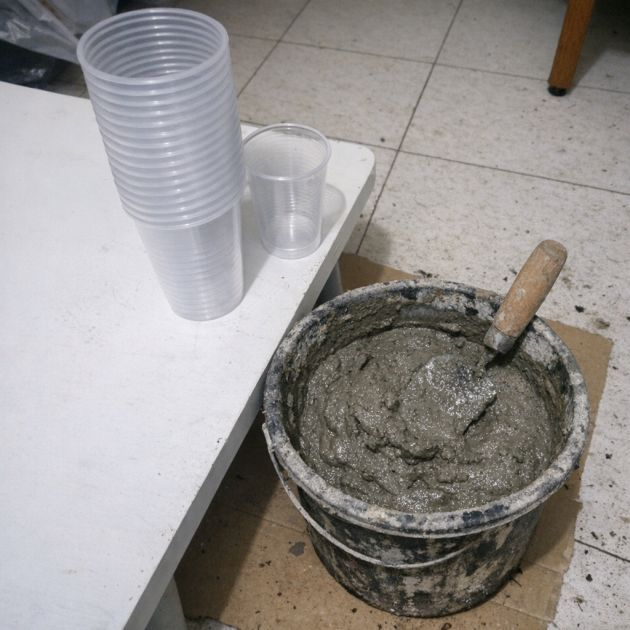
Concrete was once associated almost exclusively with:
- sidewalks,
- industrial buildings,
- parking garages,
- and construction sites.
Now, however, concrete has become one of the most sought-after materials in modern interior design.
Designers increasingly use concrete for:
- countertops,
- sinks,
- tables,
- lighting,
- planters,
- and sculptural décor.
Why?
Because concrete carries several qualities modern design values deeply:
- texture,
- neutrality,
- strength,
- simplicity,
- and architectural presence.
Its raw appearance feels authentic and grounded.
Unlike glossy synthetic materials, concrete embraces:
- imperfections,
- subtle texture variation,
- and natural visual depth.
This authenticity gives it emotional richness.
The Emotional Power of Sculptural Decor
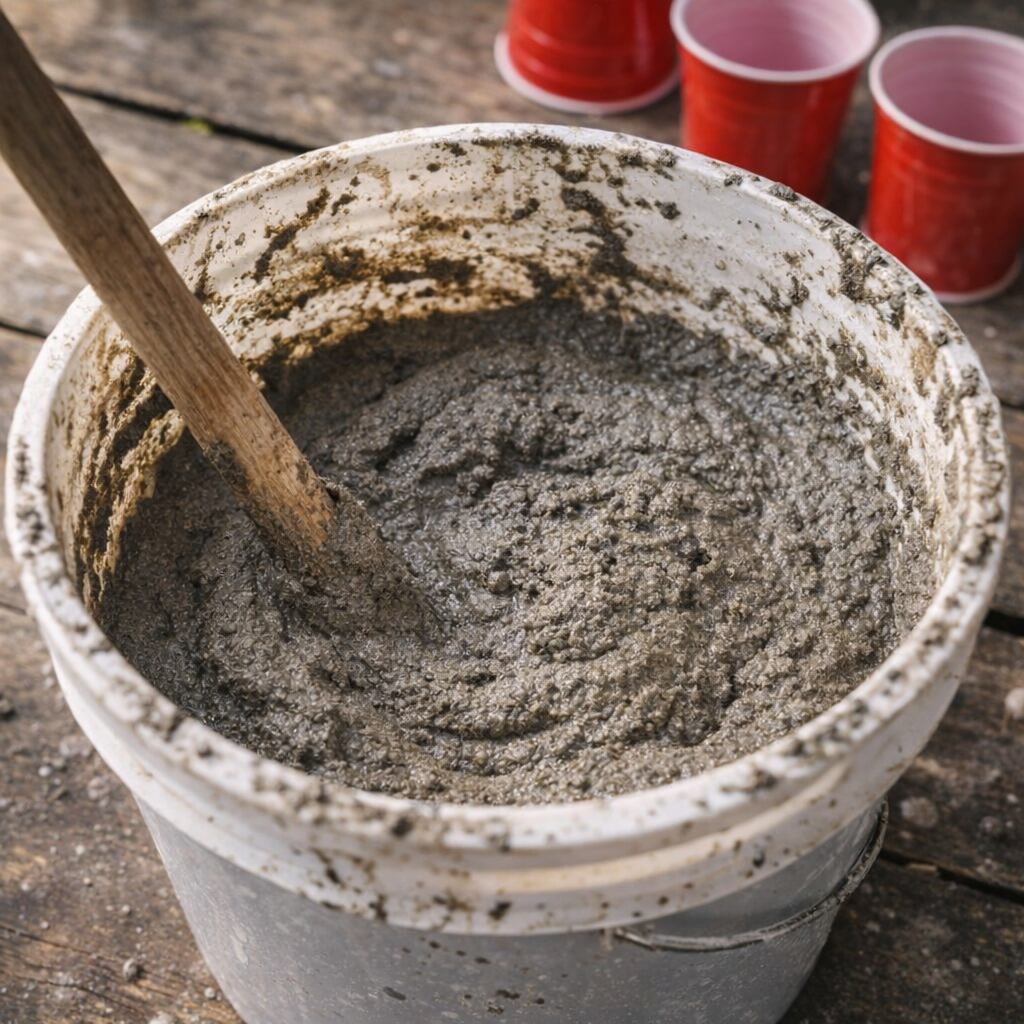
Sculptural home accessories affect spaces differently than ordinary decorations.
Instead of merely filling empty surfaces, sculptural pieces create:
- visual rhythm,
- dimensional depth,
- and artistic atmosphere.
Geometric candle holders especially feel luxurious because they combine:
- functionality,
- architecture,
- and minimalist artistry simultaneously.
Even unlit, they function like modern sculptures.
When candles are added, the effect becomes even more dramatic.
Why Geometric Shapes Feel So Sophisticated
Humans naturally respond positively to geometry.
Clean lines and structured forms create feelings of:
- order,
- calmness,
- and visual harmony.
Geometric décor often appears more expensive because it resembles:
- modern architecture,
- gallery installations,
- and designer furniture aesthetics.
The candle holders created through plastic cup molds produce shapes that feel mathematically balanced and visually intentional.
This structure creates instant elegance.
The Surprising Beauty Hidden Inside Disposable Materials
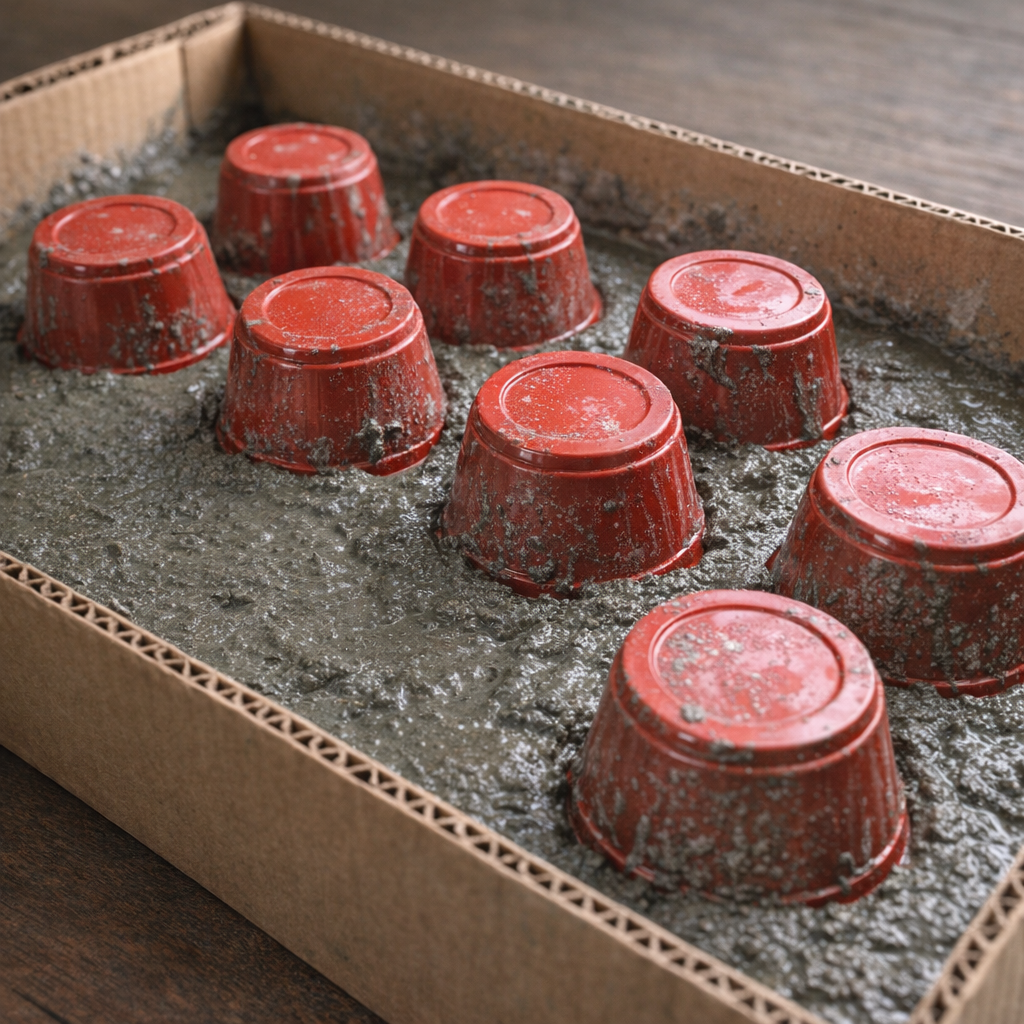
One reason this project fascinates people so much is because of the unexpected source material.
Plastic cups are usually associated with:
- casual parties,
- temporary use,
- and disposable convenience.
Most people never imagine they could help create:
- luxury-style décor,
- sculptural concrete art,
- or minimalist candle installations.
Yet the cups act as perfect molds because their tapered shapes create smooth recessed cavities within the cement.
Once removed, the geometry feels precise and highly intentional.
This dramatic transformation from disposable object to elegant design is what makes the project so memorable.
How to Create Geometric Cement Candle Holders
Despite the sophisticated final appearance, the process itself is surprisingly approachable for beginners.
You do not need advanced sculpting skills.
You do not need expensive equipment.
You do not need professional art training.
With patience and careful preparation, almost anyone can create stunning results.
Materials You Will Need
To begin, gather:
- Plastic cups
- Quick-setting cement mix
- Water
- Cardboard box or mold form
- Mixing tool
- Sandpaper
Optional additions include:
- pigment powders,
- metallic accents,
- sealants,
- textured fabrics,
- or decorative candle inserts.
The simplicity of the materials is part of what makes the transformation so satisfying.
Step 1: Prepare the Workspace
Click page 2 to continue