There are few things more satisfying than creating something beautiful out of objects most people throw away without a second thought. In a world overflowing with waste, expensive home décor, and mass-produced products that often lack personality, creative DIY projects are becoming more than just hobbies — they are becoming a lifestyle.
And one surprisingly brilliant trend is capturing attention everywhere right now.
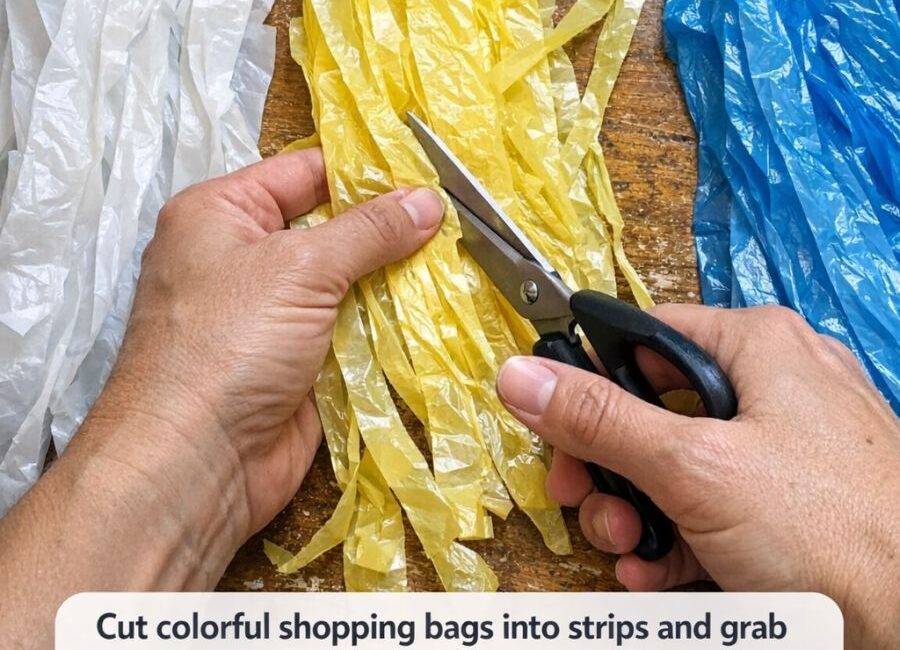
People are cutting old plastic shopping bags into strips, grabbing a few forgotten items from their junk drawers, and transforming them into colorful braided doormats so stylish that neighbors keep asking where they bought them.
At first glance, the idea sounds impossible.
Plastic bags?
Turned into a home décor piece?
Elegant enough to impress guests?
Yet once the braids are woven together and shaped into a finished mat, the result is shockingly beautiful. The colors blend into vibrant patterns, the texture creates visual depth, and the finished design feels both artistic and functional. Instead of looking cheap or homemade, the braided mat often resembles something you would expect to find in a trendy home décor boutique or an upscale artisan market.
But what makes this DIY project truly remarkable goes beyond appearance.
This project represents a powerful combination of:
- sustainability,
- creativity,
- budget-friendly decorating,
- recycling,
- handmade craftsmanship,
- and personalized interior design.
In a time when people are becoming more conscious about waste and environmental impact, transforming plastic shopping bags into functional home accessories feels deeply rewarding. It gives discarded materials a second life while adding color, texture, and individuality to the home.
And perhaps the most surprising part of all is how durable the finished doormat becomes.
Plastic shopping bags are designed to withstand weight, moisture, stretching, and repeated use. When braided tightly together, they create a flexible but strong material that works surprisingly well as a long-lasting entryway mat.
The final result is:
- waterproof,
- easy to clean,
- visually striking,
- durable,
- and completely unique.
No two mats ever look exactly alike.
That uniqueness is precisely why people cannot stop talking about this project.
Why DIY Home Décor Is Becoming More Popular Than Ever
The growing popularity of handmade home décor reflects a major shift in modern living.
For years, people focused heavily on convenience and mass consumption. Furniture, decorations, and household accessories became increasingly standardized. Many homes began looking almost identical because everyone purchased the same trendy items from the same stores.
Now, however, people crave individuality.
They want homes that feel:
- personal,
- creative,
- expressive,
- and emotionally meaningful.
DIY projects allow homeowners to create pieces that reflect their own personality and imagination rather than simply following trends.
A braided plastic bag doormat perfectly represents this new mindset because it transforms something ordinary into something artistic.
It tells a story.
And unlike factory-made products, handmade creations carry emotional value that cannot be replicated by machines.
The Unexpected Beauty Hidden Inside Plastic Shopping Bags
Most people see plastic shopping bags as clutter.
They pile up in drawers, cabinets, cars, and storage spaces until they eventually become frustrating. Some people throw them away immediately, while others keep saving them without knowing what to do with them.
But when viewed differently, plastic bags actually contain enormous creative potential.
Their colors, textures, flexibility, and durability make them surprisingly useful for craft projects.
Bright blue bags.
Soft white bags.
Vibrant yellow bags.
Bold red bags.
Muted gray bags.
When braided together, these colors create visual movement similar to woven textiles or artisan rugs.
The glossy plastic surface also reflects light differently than fabric, adding subtle texture and dimension to the final design.
What once looked like trash suddenly becomes material for functional art.
Why Braided Textures Feel So Warm and Inviting
Humans naturally respond positively to woven and braided textures.
Braiding creates:
- movement,
- softness,
- visual rhythm,
- and handcrafted warmth.
Unlike perfectly smooth industrial surfaces, braided materials feel:
- organic,
- comforting,
- and authentic.
This is one reason woven baskets, natural fiber rugs, and handmade textiles remain timeless in interior design.
A braided doormat instantly makes an entryway feel:
- more welcoming,
- more cozy,
- and more visually interesting.
The fact that this particular braid comes from recycled plastic makes the transformation even more impressive.
How to Create the Braided Plastic Bag Doormat
One of the reasons this project exploded in popularity is because almost anyone can make it.
You do not need advanced crafting skills.
You do not need expensive equipment.
You do not need professional sewing tools.
Most people already own nearly everything required.
Materials You Will Need
To create the braided doormat, gather:
- 15–20 colorful plastic shopping bags
- Scissors
- Strong adhesive tape or glue
Optional additions include:
- fabric scraps,
- decorative duct tape,
- anti-slip backing,
- or waterproof sealant.
The simplicity of the materials is part of the charm.
This project proves that beautiful design does not require expensive supplies.
Step 1: Flatten and Prepare the Bags
Begin by laying the shopping bags flat on the floor or a large table.
Smooth out wrinkles carefully.
This step matters because evenly flattened bags produce cleaner and more consistent strips.
Many people are surprised by how visually appealing the bags already look once arranged by color.
The project immediately starts feeling creative and artistic rather than purely practical.
Step 2: Cut the Bags Into Long Strips
Using scissors, cut each bag into strips approximately 1.5 inches wide.
Consistency is important because uneven strips can make braiding more difficult.
The strips become surprisingly flexible and rope-like once separated.
At this stage, the pile of colorful plastic begins resembling craft material rather than waste.
That psychological shift is one of the most satisfying parts of the process.
Step 3: Organize Colors Strategically
Color organization dramatically affects the final appearance.
Some people prefer:
- rainbow arrangements,
- monochromatic palettes,
- alternating bold colors,
- or neutral tones.
The flexibility allows endless customization.
Bright combinations create playful energy, while muted shades produce sophisticated modern aesthetics.
This makes the project adaptable to nearly any interior design style.
Step 4: Begin Braiding
Tie three strips together and begin forming a braid.
The process feels surprisingly relaxing.
Braiding repetitive materials creates a rhythmic, calming motion similar to knitting or weaving.
Many people describe DIY crafting as therapeutic because repetitive hand movements reduce stress and encourage mindfulness.
As the braid grows longer, the transformation becomes increasingly exciting.
The plastic strips begin looking almost textile-like.
Step 5: Secure the Ends
Once each braid reaches the desired length, secure the ends using adhesive tape or glue.
Strong securing prevents unraveling over time.
Durability matters because entryway mats experience constant foot traffic.
Well-secured braids can last surprisingly long.
Step 6: Shape the Mat
This is where creativity truly takes over.
The braids can be:
- coiled,
- woven,
- spiraled,
- layered,
- or intertwined.
Different shapes create dramatically different aesthetics.
Popular options include:
- rectangles,
- circles,
- ovals,
- or abstract organic forms.
Attach intersecting points carefully using strong adhesive.
Once completed, the mat suddenly transforms from scattered plastic strips into a cohesive artistic object.
Why People Are Shocked by the Final Result
The reaction to this project is often disbelief.
People expect recycled plastic crafts to look rough or childish.
Instead, the finished mat often appears:
- stylish,
- textured,
- colorful,
- modern,
- and intentionally designed.
The braided structure disguises the original material surprisingly well.
Guests frequently assume the mat came from:
- artisan markets,
- designer home stores,
- or expensive handcrafted décor collections.
That contrast between expectation and reality creates the “wow factor” driving the project’s popularity.
The Environmental Benefits of Reusing Plastic Bags
One of the strongest aspects of this DIY project is its sustainability.
Plastic waste remains one of the biggest environmental challenges globally.
Shopping bags often end up:
- in landfills,
- waterways,
- oceans,
- or natural environments.
Repurposing plastic bags extends their usefulness and reduces unnecessary waste.
While one doormat alone will not solve global pollution, projects like this encourage more conscious consumption habits.
They shift perspective from:
“throw it away”
to
“what else could this become?”
That mindset change matters deeply.
Why Handmade Home Décor Feels More Valuable Emotionally
Mass-produced décor often lacks emotional connection.
Handmade pieces feel different because they carry:
- time,
- effort,
- creativity,
- and individuality.
A braided doormat made from recycled materials tells a story every time someone enters the home.
It reflects:
- resourcefulness,
- imagination,
- and personal craftsmanship.
People naturally value objects more when they have participated in creating them.
This emotional connection makes homes feel warmer and more meaningful.
How the Doormat Changes the Entire Entryway
Click page 2 to continue