Introduction: When Love Slowly Turns Into Emotional Erosion
Marriage is often described as one of life’s most meaningful commitments—a union built on trust, companionship, shared dreams, and emotional safety. In its healthiest form, it is a space where two individuals grow together while still honoring each other’s individuality. It is where vulnerability is welcomed, where support is consistent, and where love is not only expressed but felt deeply and securely.
However, not all damage in a marriage is loud or visible.
Some of the most destructive patterns are quiet. They do not arrive suddenly. They do not always look like conflict or chaos. Instead, they slip in slowly, almost unnoticed, disguised as habits, comments, or “normal” behaviors. Over time, these patterns begin to chip away at a woman’s sense of self, her emotional safety, and her inner peace.
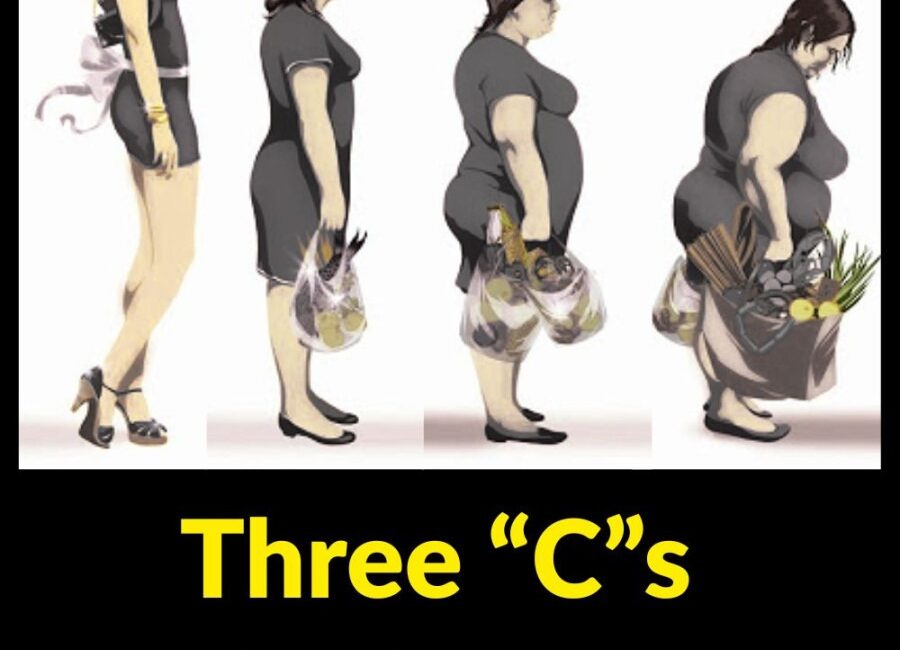
Among these patterns, three stand out for their subtle yet deeply harmful nature: Criticism, Comparison, and Control.
These three behaviors—often referred to as the “Three C’s”—do not always come with bad intentions. Sometimes they are unconscious. Sometimes they are learned behaviors. But regardless of intent, their impact is real, profound, and often devastating.
This article explores these three patterns in depth—not just what they are, but how they affect a woman psychologically, emotionally, and relationally. More importantly, it teaches you how to recognize them, understand their deeper mechanisms, and transform them into healthier patterns that rebuild connection instead of destroying it.
Because love, when healthy, should never make someone feel smaller.
Understanding Emotional Safety: The Foundation of a Healthy Marriage
Before diving into the Three C’s, it is essential to understand one key concept: emotional safety.
What Is Emotional Safety?
Emotional safety is the feeling that you can be yourself—fully, honestly, and openly—without fear of judgment, rejection, or punishment.
It means:
- You can express your thoughts without being attacked
- You can make mistakes without being shamed
- You can be vulnerable without being used against you
In a healthy marriage, emotional safety is the invisible structure that holds everything together. Without it, even love begins to feel unstable.
Why It Matters for Women Specifically
While emotional safety is important for everyone, many women experience relationships through emotional connection first. This means that when emotional safety is compromised, it affects not just the relationship—but also identity, self-worth, and mental well-being.
When a woman no longer feels emotionally safe, she does not always leave immediately. Instead, something more subtle happens:
She begins to disappear—emotionally, mentally, and sometimes even physically.
The First C: Criticism — The Slow Erosion of Self-Worth
What Is Criticism in Marriage?
Criticism is not the same as feedback.
Healthy feedback focuses on behavior and seeks improvement:
“I feel overwhelmed when the house is messy. Can we organize things better together?”
Criticism, on the other hand, attacks identity:
“You’re always messy. You never do anything right.”
It shifts from what happened to who you are.
The Psychology Behind Criticism
Criticism often stems from:
- Frustration that is poorly expressed
- Unmet expectations
- Lack of emotional regulation
- Learned communication patterns
But regardless of its source, repeated criticism creates a powerful psychological effect.
The Impact on a Woman’s Mind
When criticism becomes frequent, the brain begins to internalize it.
Over time, a woman may start to believe:
- “I am not good enough”
- “I will never meet expectations”
- “I am always doing something wrong”
This leads to chronic self-doubt.
The Emotional Consequences
Criticism creates an environment where a woman feels like she is constantly being evaluated.
This leads to:
- Walking on eggshells
- Anxiety about making mistakes
- Fear of speaking freely
- Emotional exhaustion
Instead of feeling loved, she feels judged.
The Relational Consequences
Criticism replaces intimacy with tension.
Instead of connection, the relationship becomes:
- Defensive
- Cold
- Reactive
Eventually, emotional distance grows.
Teaching Concept: Identity vs Behavior
A key lesson here is understanding the difference between identity attacks and behavior feedback.
- Identity attack: “You are careless”
- Behavior feedback: “This action caused a problem”
Healthy relationships protect identity while addressing behavior.
The Second C: Comparison — The Silent Destroyer of Confidence
What Is Comparison in Marriage?
Comparison occurs when a partner measures a woman against someone else—whether directly or indirectly.
Examples include:
- Comparing her to an ex
- Comparing her to another woman
- Idealizing someone else’s qualities
- Suggesting she should be more like someone else
Even subtle forms—like admiration expressed in a certain tone—can have impact.
Why Comparison Hurts So Deeply
At its core, comparison sends a message:
“You are not enough as you are.”
This is one of the most painful emotional messages a person can receive in a relationship.
The Psychological Mechanism
Humans naturally compare themselves to others. But when comparison comes from a partner, it becomes amplified because:
- The partner’s opinion carries emotional weight
- The relationship is supposed to be a safe space
- It challenges identity and uniqueness
The Emotional Impact
Comparison creates:
- Insecurity
- Jealousy
- Self-doubt
- Emotional instability
A woman may begin to question:
- Her worth
- Her attractiveness
- Her value in the relationship
The Hidden Damage
Unlike criticism, comparison is often subtle. But its effects accumulate.
Over time, it can:
- Destroy self-confidence
- Create emotional withdrawal
- Lead to silent resentment
Teaching Concept: Uniqueness vs Idealization
Every individual has a unique identity.
Healthy love says:
“I choose you as you are.”
Unhealthy comparison says:
“You should become someone else.”
Understanding this difference is essential for emotional health.
The Third C: Control — The Loss of Voice and Autonomy
What Is Control in Marriage?
Click page 2 to continue