Introduction: A Food That Nourishes—and Can Harm
Every year, across multiple regions of the world, cases of severe poisoning and even death are reported from the consumption of a single, widely used food. At the same time, hundreds of millions of people rely on this very food as a daily staple for survival. This paradox raises an important and fascinating question:
How can one of the most essential foods in the world also be considered one of the most dangerous?
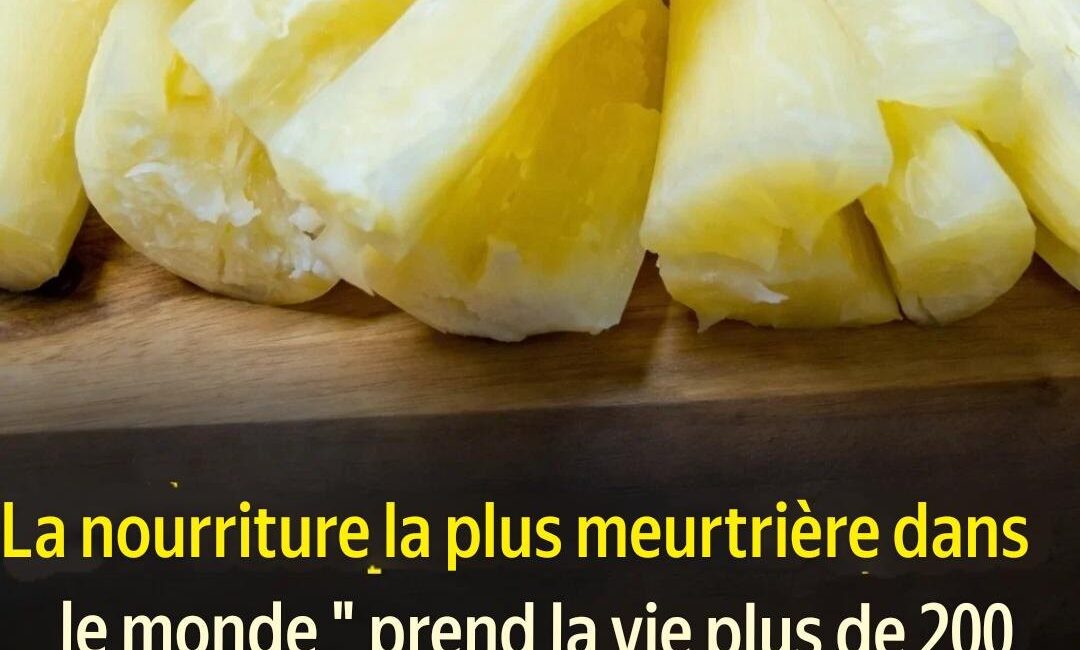
The answer lies in cassava—a root crop that feeds entire populations, supports food security in developing regions, and serves as a major source of carbohydrates for over half a billion people. Yet, when improperly prepared, cassava can release toxic compounds capable of causing serious illness or even death.
This article explores the full depth of this contradiction. It is not simply about identifying a “dangerous food,” but about understanding the complex relationship between nature, nutrition, preparation methods, and human survival. Through a detailed examination, you will learn:
- What cassava is and why it is so widely consumed
- The biological mechanisms that make it potentially toxic
- The global impact of cassava-related poisoning
- The traditional knowledge that makes it safe
- The social and economic factors that influence its risks
- The deeper lessons about food safety, awareness, and resilience
Because in reality, cassava is not just a food. It is a symbol of how survival and risk often coexist.
What Is Cassava? A Global Staple with Ancient Origins
Cassava, also known as manioc or yuca, is a root vegetable originally from South America. Over centuries, it has spread across tropical regions of Africa, Asia, and Latin America, becoming one of the most important staple crops in the world.
Today, cassava is valued for several reasons:
- It grows in poor soil conditions
- It withstands drought better than many crops
- It provides a high-calorie energy source
- It can be processed into flour, starch, and various traditional foods
Its roots are the primary edible part, used to produce:
- Cassava flour
- Tapioca
- Traditional breads and porridges
For many communities, cassava is not just a dietary choice—it is a necessity.
Concept to Learn: Staple Food Dependency
A staple food is one that forms the foundation of a population’s diet. In many regions, cassava provides the majority of daily caloric intake.
This dependency means:
👉 Any risk associated with cassava affects millions of lives.
The Hidden Danger: Natural Toxins in Cassava
Cassava’s potential danger comes from naturally occurring compounds called:
Cyanogenic glycosides
These substances are part of the plant’s natural defense system against pests and animals.
When cassava is:
- Crushed
- Chewed
- Improperly processed
These compounds can break down and release:
👉 Cyanide
Cyanide is a highly toxic substance that interferes with the body’s ability to use oxygen at the cellular level.
Concept to Learn: Natural Plant Defense Mechanisms
Many plants produce toxins as a survival strategy. These toxins:
- Protect against predators
- Prevent overconsumption
- Ensure the plant’s survival
Cassava is one of the most striking examples of this phenomenon.
How Cyanide Affects the Human Body
When consumed in dangerous amounts, cyanide disrupts cellular respiration.
This leads to:
- Oxygen deprivation at the cellular level
- Damage to vital organs
- Neurological impairment
- In severe cases, death
Symptoms of cassava-related cyanide poisoning may include:
- Headaches
- Dizziness
- Vomiting
- Difficulty breathing
- Loss of coordination
The severity depends on:
- The amount consumed
- The level of toxins in the cassava
- The individual’s nutritional status
Global Impact: A Food Linked to Illness and Death
According to the information provided , approximately 200 deaths occur each year due to improperly prepared cassava.
While this number may seem relatively small compared to global populations, it represents:
- Preventable deaths
- Systemic food safety challenges
- Socioeconomic vulnerability
Additionally, cassava consumption has been linked to serious health conditions, including:
Konzo: A Neurological Disorder
Konzo is a severe and irreversible condition characterized by:
- Sudden paralysis of the legs
- Loss of mobility
- Long-term disability
It is most commonly found in:
- Regions experiencing poverty
- Populations with limited dietary diversity
- Communities relying heavily on poorly processed cassava
When Does Cassava Become Most Dangerous?
Cassava is not inherently unsafe—it becomes dangerous under specific conditions.
1. Inadequate Processing
Failing to properly prepare cassava allows toxic compounds to remain.
2. Consumption of Bitter Varieties
Some types of cassava contain higher levels of cyanogenic compounds.
3. Food Shortages and Crises
During:
- Famine
- Economic collapse
- Armed conflict
People may:
- Skip essential preparation steps
- Consume cassava in its raw or insufficiently processed form
4. Poor Nutritional Balance
Low protein intake increases vulnerability to cyanide toxicity.
Why Millions Consume Cassava Safely Every Day
Despite its risks, cassava is consumed safely by millions of people worldwide.
The reason is simple:
👉 Proper preparation eliminates the danger.
Traditional Processing Methods: Turning a Toxic Root into Safe Food
Over generations, communities have developed effective techniques to remove toxins from cassava.
These methods include:
1. Peeling
Removing the outer layers reduces toxin concentration.
2. Soaking
Cassava is soaked in water for extended periods—sometimes over 24 hours—to leach out harmful compounds.
3. Fermentation
Natural fermentation breaks down cyanogenic substances.
4. Cooking at High Temperatures
Heat destroys remaining toxins, making the food safe to eat.
Concept to Learn: Traditional Knowledge as Survival Technology
These preparation methods are not random—they are refined survival techniques developed over centuries.
They demonstrate how:
👉 Human knowledge transforms risk into nourishment.
Real-World Context: When Systems Fail
Click page 2 to continue