Garden ponds have always carried a certain kind of magic.
There is something deeply calming about still water reflecting sunlight, surrounding greenery, and drifting aquatic plants. A pond transforms an ordinary backyard into something more peaceful, immersive, and alive. It introduces movement, texture, sound, and natural beauty into outdoor spaces in ways few landscaping features can achieve.
But recently, one incredibly creative DIY project has completely transformed how people decorate their ponds — and it all starts with two surprisingly ordinary materials:
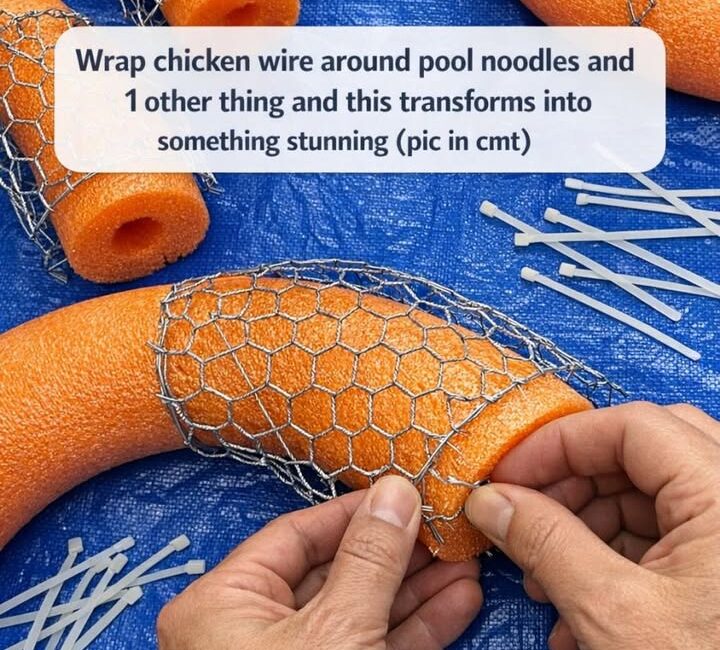
pool noodles and chicken wire.
At first glance, the idea sounds almost strange.
Pool noodles are usually associated with:
- children’s summer toys,
- floating devices,
- and bright backyard pool parties.
Chicken wire, on the other hand, feels industrial and practical, typically used for fencing, gardening, or construction projects.
Yet when wrapped together carefully into floating circular frames and filled with lush aquatic plants, these simple materials become something breathtaking:
floating pond planter rings that drift beautifully across the water like miniature living islands.
The transformation is stunning.
Bright flowers bloom from floating circles surrounded by trailing greenery. Reflections shimmer across the pond surface while clusters of aquatic plants appear to hover magically on the water. During sunset, the floating planters create an almost dreamlike atmosphere that feels:
- tranquil,
- artistic,
- luxurious,
- and deeply connected to nature.
Guests stop to admire them.
Neighbors ask where they were purchased.
And many people assume they came from:
- upscale garden centers,
- luxury landscaping boutiques,
- or professional pond design companies.
Very few realize these elegant floating gardens were created using inexpensive pool noodles and chicken wire.
That dramatic contrast between humble materials and sophisticated results is exactly why this DIY project has spread so quickly among gardening enthusiasts and outdoor décor lovers.
But beyond visual beauty, these floating planter rings represent something larger happening in modern landscaping culture:
the desire to create outdoor spaces that feel immersive, creative, sustainable, and emotionally restorative without requiring enormous budgets.
This project proves that some of the most beautiful garden transformations come not from expensive installations, but from imaginative reinvention of everyday objects.
Why Water Features Have Become Essential in Modern Landscaping
Outdoor design has evolved dramatically over the past decade.
People no longer see gardens simply as decorative spaces. Increasingly, they are viewed as:
- wellness retreats,
- meditation zones,
- entertainment environments,
- and emotional sanctuaries.
Water features play a major role in this shift because water naturally creates feelings of:
- calmness,
- serenity,
- balance,
- and relaxation.
The visual movement of water combined with reflected light helps soften outdoor spaces emotionally.
Even small ponds create powerful psychological effects by introducing:
- stillness,
- rhythm,
- and connection to nature.
Floating planter rings enhance this atmosphere even further by adding living greenery directly onto the water surface itself.
The Emotional Appeal of Floating Gardens
Floating gardens feel magical because they challenge expectations.
Plants normally grow:
- in soil,
- on land,
- or inside fixed containers.
When vegetation appears to drift freely across water, the effect feels almost surreal.
The floating rings create:
- movement,
- reflection,
- depth,
- and layered texture simultaneously.
This visual softness transforms ponds into dynamic living landscapes rather than static water features.
The floating motion also creates constant subtle change, making the pond feel more alive and immersive.
Why Pool Noodles Work Surprisingly Well for Garden Projects
Pool noodles may seem unlikely gardening materials, but structurally they are incredibly useful.
They are:
- lightweight,
- buoyant,
- flexible,
- weather-resistant,
- inexpensive,
- and easy to shape.
Once bent into circular forms, they naturally float while supporting lightweight structures on the water surface.
This buoyancy makes them ideal foundations for floating planters.
Their bright colors can also contribute visually, especially when coordinated intentionally with surrounding flowers or décor.
Why Chicken Wire Adds Both Structure and Texture
Chicken wire serves two important purposes in this project.
First, it creates structural support for:
- soil,
- roots,
- and aquatic plants.
Second, it introduces organic texture that blends naturally into pond environments.
Once plants begin growing through the wire mesh, the industrial appearance softens dramatically.
The chicken wire becomes nearly invisible beneath lush vegetation, leaving only the illusion of floating botanical islands.
The Rise of Creative Sustainable Gardening
Modern gardeners increasingly prioritize:
- sustainability,
- upcycling,
- biodiversity,
- and eco-conscious landscaping.
People are moving away from purely decorative gardens toward outdoor spaces that feel:
- functional,
- environmentally aware,
- and creatively personal.
This floating planter project fits perfectly into that movement because it:
- repurposes accessible materials,
- encourages aquatic plant growth,
- supports pond ecosystems,
- and creates beauty affordably.
How to Create Floating Pond Planter Rings
One reason this project has become so popular is because it is surprisingly approachable for beginners.
You do not need advanced landscaping skills.
You do not need expensive pond equipment.
You do not need professional installation experience.
With a few basic materials and some creativity, almost anyone can create stunning floating garden features.
Materials You Will Need
To begin, gather:
- Pool noodles
- Chicken wire mesh
- Zip ties
- Wire cutters
- Scissors
- Protective gloves
Optional additions include:
- aquatic plants,
- decorative stones,
- waterproof paint,
- solar lights,
- or floating flowers.
The affordability of the materials makes the final result feel even more impressive.
Step 1: Cut the Pool Noodles
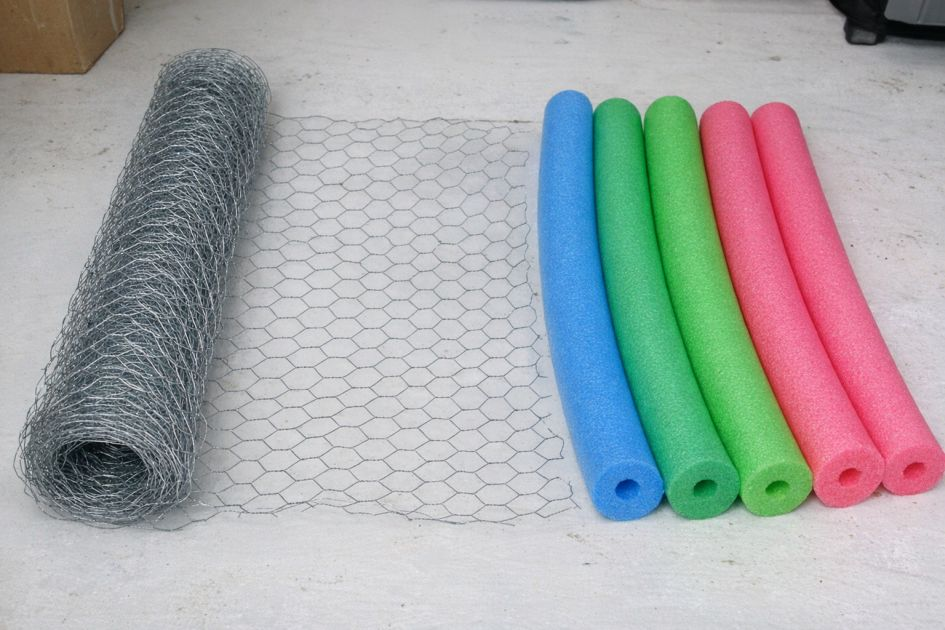
Begin by cutting the pool noodles into manageable lengths.
Most people use sections around:
- two feet long,
though larger or smaller rings can be created depending on pond size.
The flexibility of the noodles allows complete customization.
Step 2: Shape the Noodles Into Rings
Bend each noodle segment into a circular shape and secure the ends together using zip ties.
Instantly, the pool noodles begin resembling floating wreath bases.
This simple circular structure becomes the foundation for the entire floating planter system.
Why Circular Shapes Feel So Harmonious in Gardens
Circular forms naturally feel calming because they evoke:
- continuity,
- flow,
- and balance.
In landscaping, circles soften harsh lines while blending beautifully with organic environments.
Floating circular planters feel especially elegant because their shapes mirror natural ripples on water.
Step 3: Wrap the Chicken Wire Around the Rings
Carefully wrap chicken wire mesh around each noodle ring.
The mesh should fit snugly while leaving enough openness for plants to grow through naturally.
Protective gloves are important here because cut wire edges can be sharp.
At this stage, the structure begins looking surprisingly sculptural.
Step 4: Secure the Mesh
Use zip ties evenly around the ring to secure the chicken wire in place.
Strong attachment ensures the floating planter remains durable despite:
- water movement,
- plant weight,
- and outdoor exposure.
Durability matters because pond environments naturally involve moisture and changing weather conditions.
Step 5: Add Aquatic Plants
This is where the transformation truly becomes magical.
Insert aquatic plants gently into the mesh openings.
Popular choices include:
- water lettuce,
- floating ferns,
- creeping jenny,
- water hyacinths,
- dwarf papyrus,
- marsh marigolds,
- or trailing pond plants.
As greenery begins filling the structure, the industrial wire disappears beneath lush natural textures.
Why Floating Plants Make Ponds Feel More Luxurious
Click page 2 to continue