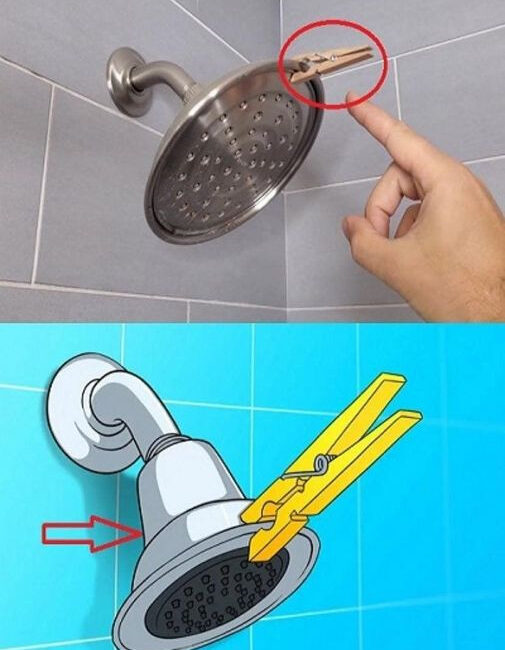
Though the idea is simple, a few physical and chemical phenomena underlie the effectiveness:
Vapor pressure & volatility
Fragrance compounds in essential oils are volatile — they tend to evaporate into the air. Hot steam increases evaporation rate. The warm, humid environment in a shower gives the scent molecules kinetic energy, helping them shift from the wood surface into the air you breathe.
Capillary absorption
Wood is porous and capillary: it absorbs liquid oil and retains it within its structure. That reservoir acts like a slow dispenser, releasing scent over time rather than all at once.
Steam carrying scent
Steam and moist air create convection and airflow patterns. These carry scent molecules outward into the shower space, enhancing diffusion.
Humidity as a carrier
Moisture in the air helps “carry” scent molecules as the water vapor moves. This is why diffusers in low-humidity rooms sometimes seem weaker. In a bathroom full of vapor, the medium is primed for scent transport.
Micro-evaporation in pulses
Since showers fluctuate (turning on, off, temperature changes), the scent release may pulse, renewing your perception of it over multiple stages.
Thus, though the mechanism is organic and low-tech, it is quite harmonious with the physics at hand.
Common challenges, pitfalls, and how to overcome them
As with any hack, there are caveats. Let’s anticipate problems and offer fixes.
1. Clip gets soaked / loses oil
If placed in direct spray or water drip path, the clothespin may become waterlogged, wash away oils, or degrade. Solution: reposition to less wet zones, or wrap with a small waterproof film except on the scented face — so water deflects.
2. Overpowering scent / irritation
Too many drops or very strong oils can irritate nasal passages, especially for sensitive users or kids. Solution: start small with 1–2 drops, then gradually adjust. Choose gentle oils. Ventilate well.
3. Weak diffusion or almost no scent
This may be due to too little oil, poor positioning, or inadequate steam. Solution: add a few more drops, reposition closer (but safe) to steam, or refresh more often.
4. Wood degradation over time
Moist bathrooms can warp or damage wood. Over many cycles, the clothespin might degrade. Solution: replace periodically, use a sturdier untreated wood, or apply a very light, breathable sealant that doesn’t block absorption.
5. Inconsistent scent strength
Because showers vary in temperature, time, or usage, the scent output might be inconsistent. Solution: keep extra clothespins ready, occasionally reapply, or use two in tandem for buffer.
6. Compatibility with certain finishes
If you have shiny chrome or decorative finishes, some oils might cause faint discoloration or reaction. Solution: test a corner or ensure oils used are safe for the materials in your bathroom.
7. Safety / allergies
Some oils can trigger allergies or sensitivities. Use with caution if pregnant, asthmatic, or with pets. Always ensure proper ventilation and don’t over-concentrate the aroma. If any irritation occurs, remove immediately.
What to expect: user experiences and observations
Over time many people report:
- Persistent freshness: even after a shower, the bathroom often smells subtly pleasant instead of damp or stale.
- Mood boost: some say their shower feels more like a spa or restful ritual rather than just functional.
- Guests commenting: people sometimes ask, “Why does your bathroom smell nice?” and you can point them to this tiny trick.
- Ease: after initial setup, it becomes a zero-effort habit.
- Savings: you may reduce use of other air fresheners, plug-ins, or sprays.
- Customization: you’ll experiment with scent blends or seasonal choices and enjoy the creative process.
In short: the more you use it, the more you refine it, but it tends to become a small delight rather than a chore.
When and where it makes the biggest difference
While the trick works in many bathrooms, there are contexts in which it shines more:
- Bathrooms without strong ventilation
- Small or compact showers
- Homes in humid or damp climates
- Bathrooms with mold or mildew risk (as preventative)
- Shared bathrooms (where lingering odors accumulate)
- Places where you want a spa or boutique feel (guest bathrooms, Airbnb, etc.)
In bathrooms with powerful exhaust fans or constant airflow, the scent might dissipate too fast. But in “static” bathrooms, this trick fills a niche.
Variations by scenario
Here are some scenario-specific advice:
- Hot climates / humid zones: Use lighter citrus, mint, or citrus-herbal blends to counter heavy ambient humidity smells. Refresh more often.
- Cold climates / low humidity: Use warmer oils (like cedarwood, sandalwood) that stand up well in dry air.
- Family homes / shared bathrooms: Use mild, generally unoffensive scents (lavender, sweet orange), and avoid strong or pungent oils.
- Luxury or guest bathrooms: Use premium essential oils (rose, ylang-ylang) or blends. Use a matching decorative clip for visual impression.
- In rentals or apartments: Since it’s noninvasive (no drilling), it’s ideal. Just choose clips that don’t damage surfaces.
Integration into your bathroom routine
Here are ideas to embed this into your habits so it feels seamless:
- Start a weekly “refresh” ritual: choose a time (e.g. Sunday evening) to check all scented clips and reapply oils.
- Seasonal scent rotation: pick spring, summer, autumn, winter blends.
- Label your oils: keep a small tray or dish near your bathroom with a dropper and an assortment of oils for quick reapplication.
- Backup clip: keep a spare clothespin so you can swap immediately if one degrades.
- Coordinate with other scents: use in harmony with candles, diffusers, or ventilation to avoid scent clashes.
- Use as a “shower mood cue”: e.g. peppermint in the morning, lavender in the evening, to psychologically prime your body.
Over time, the act of smelling that little scent becomes a small anchor in your daily life.
Potential drawbacks and when not to use it
No hack is perfect. Here are some reasons not to adopt it (or to pause it):
- If someone in your household is allergic, asthmatic, or very odor‑sensitive.
- If your bathroom is so small or poorly ventilated that any scent becomes overwhelming.
- If your finishes (tiles, metal) are extremely delicate and may be impacted by oils.
- If your showerhead or plumbing area is too cramped to reliably place a clip.
- If water hardness or mineral deposits will degrade the clothespin too quickly.
If any of these problems occur, you can always remove it or restrict to milder oils or more spacing.
My recommendation in a nutshell (for your first try)
- Get a decent wooden clothespin.
- Use a mild essential oil like lavender or sweet orange initially.
- Apply 2 drops per side, let it absorb.
- Clip near steam but out of direct spray.
- Test, adjust.
- Refresh every few days.
- Observe and refine.
In many cases, within a week or two, you’ll begin to notice a difference: your bathroom smells more inviting, your showers feel more luxurious, and you’ll wonder how you lived without it.
Why “once you know it, you always will”
This is not just a catchy phrase — there’s something memorable, sticky, and elegant about this trick. Once you’ve experienced how a small wooden clip can transform your daily shower from bland to subtly aromatic, the appeal lingers. It becomes part of your sensory memory: the smell as you open the curtain, the little clip you see each morning or night, the tiny delight of reapplying a drop or two of your favorite oil. It’s simple enough to forget, yet effective enough to make you smile each time you shower. Because it’s so easy, low maintenance, and impactful, it tends to “stick” in your roster of household habits.
To many people who adopt it, the question stops being “Why hang a clothespin over the shower?” and becomes simply “Why not?”