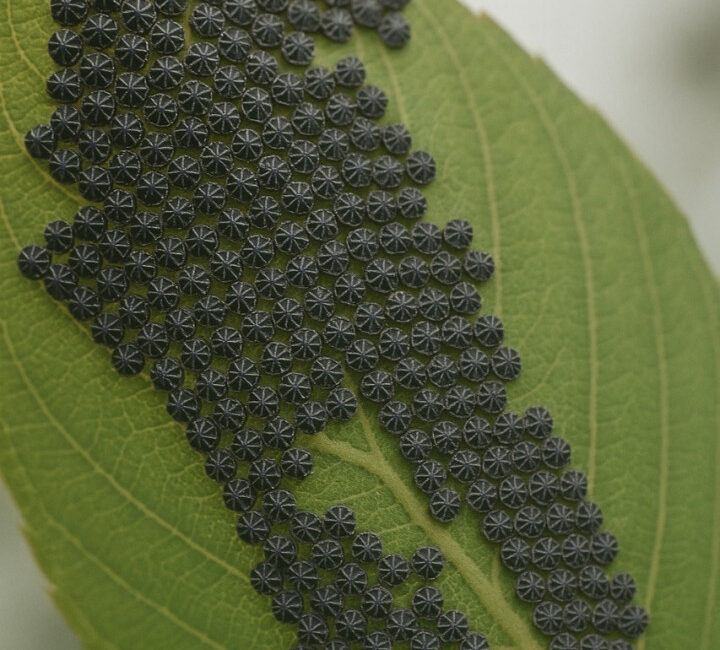
Spider mites are tiny creatures that are often hard to spot, but they are capable of causing massive damage to your plants. These pests are so small that they are often overlooked until their effects become visible.
Why You Should NEVER Touch It:
Spider mites suck the nutrients out of plants, leaving them weak and vulnerable. They also produce webs that can cover the entire plant, suffocating it. Prolonged infestations can lead to plant death, especially in indoor settings.
How to Spot Them:
- Look for fine webbing on the underside of leaves or between plant branches.
- The leaves may become speckled, yellowed, or have a stippled appearance.
What To Do:
- Use a strong stream of water to wash the mites off.
- Apply miticides or insecticidal soap to control spider mites.
8. The Dangerous Aphid: A Little Pest with Big Consequences
Aphids are one of the most common pests that gardeners deal with, and while they seem harmless at first, they can quickly take over your plants if left unchecked.
Why You Should NEVER Touch It:
Aphids are capable of transmitting plant diseases, and they can quickly infest your plants, causing them to become stunted and deformed. They are particularly attracted to new growth, where they feed on sap, which weakens the plant.
How to Spot Them:
- Aphids are small, pear-shaped insects that come in a variety of colors, including green, black, and yellow.
- They are often found on the tips of plant stems or on the undersides of leaves.
What To Do:
- Remove aphids by spraying your plants with a mixture of water and dish soap.
- Introduce natural predators like ladybugs to keep aphid populations under control.
9. The Aggressive Japanese Beetle: A Destructive Garden Pest
Japanese beetles are known for their aggressive feeding habits, which can lead to severe damage to your plants if not controlled early.
Why You Should NEVER Touch It:
These beetles chew on leaves, flowers, and fruit, causing defoliation and weakening your plants. Over time, this can lead to plant death, particularly in young or newly planted vegetation.
How to Spot Them:
- Green and copper-colored with a shiny body.
- Often seen feeding on rose bushes, grapes, and other soft plants.
What To Do:
- Hand-pick beetles off your plants or use a Japanese beetle trap.
- Apply neem oil or insecticidal soap to keep them from returning.
10. The Sneaky Slug: More Than Just a Slimy Nuisance
Slugs might seem like a minor annoyance, but they can actually cause extensive damage to plants, particularly young seedlings.
Why You Should NEVER Touch It:
Slugs are known for their insatiable appetite for plant leaves, flowers, and fruit. They leave behind a slimy trail that can also encourage the growth of mold or fungi, leading to even more problems in your garden.
How to Spot Them:
- Slugs are soft-bodied and can vary in color, ranging from pale yellow to dark brown.
- They leave a noticeable slimy trail behind them.
What To Do:
- Use beer traps or copper tape to keep slugs away from plants.
- Hand-pick them off your plants and dispose of them immediately.
Conclusion: Be Vigilant and Act Fast
Gardening is a wonderful hobby, but it comes with its own set of challenges. Some pests are harmless, while others pose a direct threat to both your plants and your health. It’s essential to know which creatures to watch for and how to handle them properly to avoid unnecessary damage and irritation.
By staying vigilant and acting fast when you spot one of these dangerous pests, you can protect your garden, your plants, and your well-being. So, the next time you’re out in the garden, take a moment to inspect your plants carefully. Trust me, it could save you a lot of trouble — and potentially a painful experience.
Don’t forget, always wear protective gear when handling unfamiliar bugs, and when in doubt, don’t hesitate to call in the professionals for advice. Stay safe, and happy gardening!