Introduction
We’ve all been there — standing in front of the fridge or pantry, unsure whether the food we’re about to toss is still safe to eat. Expiration dates, while helpful, can sometimes create unnecessary waste, especially when the food inside is still perfectly fine. But how can you tell which foods are safe to consume after their expiration dates, and which ones should definitely be tossed? That’s what this article is all about — shedding light on the foods that can last longer than their labels suggest.
The truth is, expiration dates are often more about quality than safety, and many foods are still good long after they’ve passed their sell-by or use-by date. However, it’s important to distinguish between foods that lose quality (taste, texture, or nutritional value) and those that may actually pose a health risk if consumed after the expiration date.
In this article, we’ll highlight 20 foods that can still be consumed safely after the expiration date. We’ll explain why they can last longer, how to store them properly, and tips on how to tell if they’ve gone bad. You’ll be surprised at how much food can still be saved, reducing waste and saving you money.
1. Eggs
Eggs are a pantry staple in most households, but it’s common to toss them out once they hit their expiration date. However, eggs are often still good for several weeks after the date on the carton, provided they’ve been stored correctly in the fridge. The best way to tell if an egg is still safe to eat is the float test: Fill a bowl with water and gently drop the egg in. If it sinks to the bottom and lays flat, it’s still fresh. If it stands upright or floats, it’s time to toss it.
Why it lasts: Eggs have a protective coating that keeps bacteria out, and their natural composition allows them to last longer than the expiration date suggests.
Tip: Always store eggs in their original carton in the coldest part of the fridge, not on the door.
2. Canned Goods (Vegetables, Soups, etc.)
Canned goods are some of the longest-lasting foods you can keep in your pantry. They can remain good for months or even years past their expiration date as long as the can is in good condition (not dented, bulging, or leaking). The expiration date on these products usually refers to the best quality, not safety. If stored in a cool, dry place, canned goods are usually safe to eat long after the date.
Why they last: The vacuum-sealing process of cans prevents air from getting in and allows foods to stay safe for extended periods.
Tip: When opening a can, check the contents for any signs of spoilage, like an off-smell or mold. If everything looks good, feel free to use it.
3. Dried Beans and Lentils
Dried beans and lentils can last for years beyond their expiration dates when stored properly in an airtight container in a cool, dry place. While they may take longer to cook as they age, they are still safe to eat as long as there are no signs of mold or pest infestation.
Why they last: Dried beans and lentils have very low moisture content, which makes them resistant to spoilage.
Tip: If your dried beans are taking longer to cook, try soaking them overnight to speed up the process.
4. Pasta
Pasta has a very long shelf life and can typically be consumed months or even years after its expiration date, as long as it’s kept in a dry, cool place. As with other dry products, pasta can lose its flavor or texture over time but remains safe to eat well beyond its expiration.
Why it lasts: Pasta is made from dried wheat, which has a low moisture content, making it less likely to spoil.
Tip: Store pasta in a sealed container to protect it from moisture and pests.
5. Rice (White and Brown)
Both white rice and brown rice have a long shelf life, but the shelf life of brown rice is shorter due to its higher oil content. White rice can last for years past its expiration date when stored in a cool, dry place. Brown rice, while not as long-lasting, can still be safe to eat for 6-12 months after the expiration date.
Why it lasts: White rice is refined and free of oils, making it more resistant to spoilage. Brown rice contains oils that can go rancid, but it still has a decent shelf life when stored properly.
Tip: Keep rice in a tightly sealed container to preserve freshness and protect it from moisture.
6. Hard Cheeses (Parmesan, Gouda, etc.)
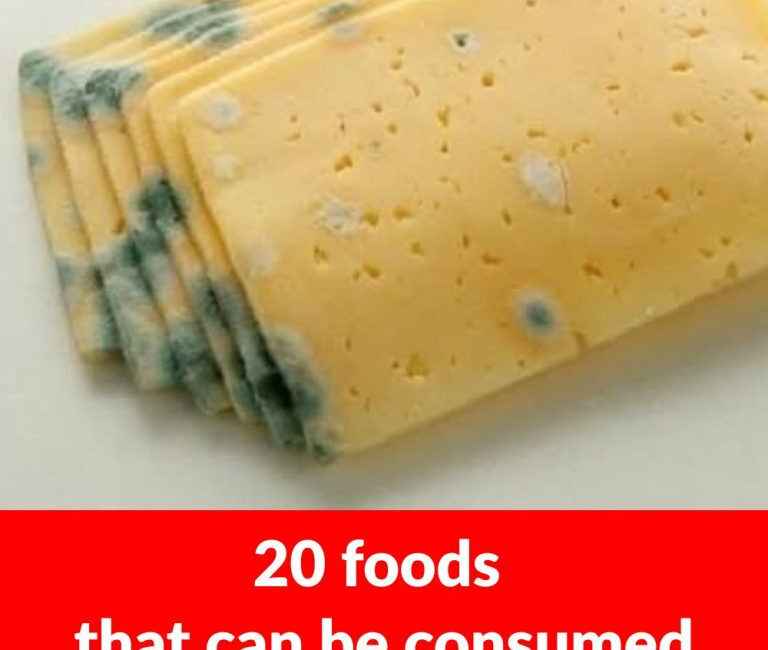
Hard cheeses like Parmesan, Gouda, and Pecorino Romano can last well past their expiration dates. These cheeses are naturally preserved due to their low moisture content and saltiness. As long as the cheese is stored in the fridge and has no signs of mold or off smells, it’s safe to eat.
Why they last: Hard cheeses are aged, and their low moisture content makes them resistant to bacterial growth and spoilage.
Tip: If you notice mold on the surface, simply cut off the affected area — the rest of the cheese should still be fine.
7. Honey
Honey is one of the few foods that never spoils. It can remain safe and edible for decades or even centuries if stored properly. Over time, honey may crystallize or change texture, but it remains safe to consume. If it crystallizes, simply warm it up in hot water to return it to its liquid form.
Why it lasts: Honey has a natural preservative effect due to its low moisture content and high acidity, making it inhospitable for bacteria and mold.
Tip: Store honey in an airtight container in a cool, dry place to prevent it from absorbing moisture.
8. Pickles and Fermented Foods
Fermented foods, including pickles, kimchi, sauerkraut, and other preserved vegetables, often last far longer than their expiration dates. The fermentation process helps to preserve these foods, and they can stay safe to eat for months or even years past their sell-by dates as long as they remain submerged in their brine.
Why they last: The acidity and saltiness in pickles and fermented foods act as natural preservatives that prevent spoilage.
Tip: If the brine looks cloudy or there’s any mold on the surface, it’s best to discard the product. Otherwise, these foods are good for a long time.
9. Granola Bars
Granola bars, especially those that are packaged in individual wrappers, can stay fresh months past their expiration dates, depending on how they’re stored. They can lose a bit of flavor or texture over time but are still safe to eat. Always check for any signs of mold or an off smell before consuming.
Why they last: Granola bars contain preservatives, and the packaging keeps them sealed from air and moisture.
Tip: Keep granola bars in a cool, dry place, away from heat and humidity, to extend their shelf life.
10. Cereal
Dry cereal, especially cornflakes and oats, typically lasts well beyond its expiration date, as long as it’s kept sealed and stored in a cool, dry place. Cereal can lose its flavor and crunch over time but remains safe to eat.
Why it lasts: Cereal is dry and generally low in fat, making it less prone to spoilage.
Tip: Store cereal in an airtight container to maintain freshness and protect it from moisture.
11. Frozen Meat and Fish
Frozen meats and fish can last months or even years after their expiration dates, provided they’ve been continuously stored in a freezer at the proper temperature (0°F or -18°C). Freezing prevents the growth of bacteria, so these foods are still safe to eat even after their expiration dates.
Why it lasts: Freezing halts bacterial growth and preserves the texture and taste of food for a long time.
Tip: For best quality, consume frozen meats and fish within a few months. If they’re stored longer, the texture may deteriorate.
12. Flour (White and Whole Wheat)
White flour can last for up to a year past its expiration date if stored in a cool, dry place. Whole wheat flour has a shorter shelf life due to its oil content, but it can last several months past the expiration date if stored properly in an airtight container.
Why it lasts: Flour is a dry product that doesn’t contain much moisture, so it doesn’t spoil easily.
click page 2 to continue