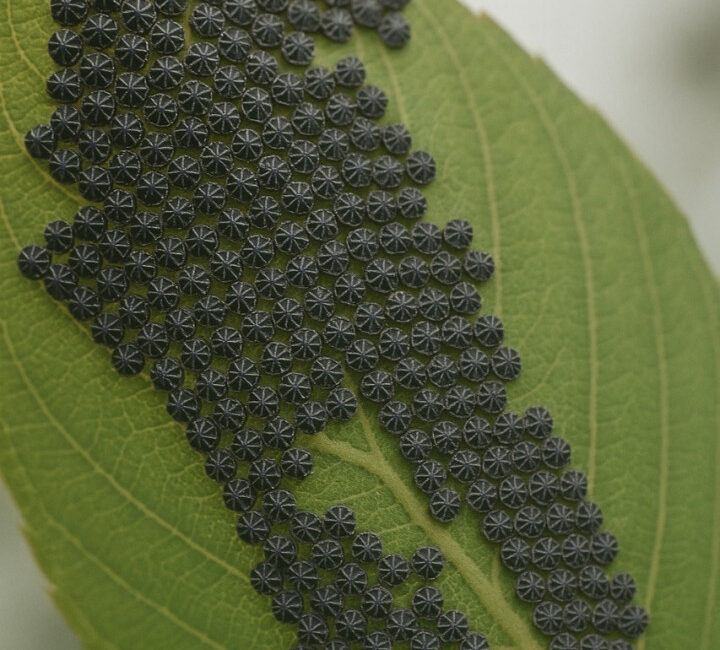
Introduction: The Secret Danger Lurking on Your Plants
Gardening is one of the most rewarding hobbies. The act of nurturing plants and watching them grow brings a sense of fulfillment like few other activities can. But as every seasoned gardener knows, with the joy of gardening comes the challenge of dealing with pests and diseases. While most of us are aware of the typical garden invaders — aphids, slugs, and beetles — there are some pests that are far more sinister, dangerous, and destructive than they first appear.
What if I told you that lurking on your plants, often going unnoticed, could be a group of pests so destructive that they not only harm your plants but could also endanger you, your family, and your pets? The thing is, many gardeners are completely unaware of these pests, and they can strike when you least expect it. I recently had a conversation with my neighbor about a terrifying experience with one of these pests — and, thank goodness, I was able to warn her just in time.
In this article, I’m going to share the top 10 dangerous pests you should NEVER touch if you find them on your plants. These creatures might look harmless, but trust me — they are anything but. Many of these pests can be difficult to spot, and by the time you realize what they are, they could already be causing irreversible damage to your plants or, worse, to your health. If you love your plants, your garden, and your well-being, keep reading — and be prepared to take immediate action if you spot any of these critters in your garden.
1. The Toxic Oak Moth Caterpillar: A Hidden Threat to Your Skin
At first glance, the oak moth caterpillar might seem like nothing more than a harmless bug munching on your oak tree leaves. After all, it’s just another caterpillar, right? Well, if you happen to touch one of these pests — even by accident — you could be in for a world of pain.
Why You Should NEVER Touch It:
The oak moth caterpillar produces toxic hairs that, when touched, can cause a severe skin reaction. The toxins in these hairs can lead to itching, rashes, and even severe hives, which might require medical attention. These caterpillars are most often found on oak trees but can sometimes migrate to nearby plants.
How to Spot Them:
- They have a black-and-white striped body with tufts of hair protruding from their sides.
- Look for them hanging from branches or on the undersides of leaves.
What To Do:
- Never touch them, and keep your pets away.
- Wear gloves and long sleeves if you need to remove them.
- If you experience any allergic reactions, seek medical help immediately.
2. The Stinging Pine Caterpillar: A Bitter Encounter
The pine caterpillar might look like a fluffy little critter, but it has a dangerous side that you should be aware of. If you spot these creatures on your plants, particularly near pine trees, they are known for their painful stings that can cause severe irritation.
Why You Should NEVER Touch It:
The pine caterpillar has spiny hairs that contain venom. When these hairs come into contact with your skin, they can trigger intense itching, swelling, and sometimes even a burning sensation. In severe cases, an allergic reaction can occur.
How to Spot Them:
- Their bodies are greenish with black stripes and a series of red spots.
- They are typically found hanging from branches or on the ground under pine trees.
What To Do:
- Use a broom or stick to gently remove them from plants.
- Wear protective gear (gloves, long sleeves) when handling plants that may have them.
3. The Intimidating Boxelder Bug: More Than Just a Nuisance
While boxelder bugs are often seen as nothing more than a nuisance in gardens, they can pose a far greater threat than you might realize. These bugs may not bite or sting, but they can carry dangerous diseases and affect the health of your plants.
Why You Should NEVER Touch It:
Boxelder bugs are known to carry disease-causing bacteria, which can be transferred to your plants when they feed on them. If you’re not careful, these bugs could potentially spread diseases to other plants in your garden.
How to Spot Them:
- Black with orange or red markings on their back.
- They congregate in large groups and are often found on the leaves or trunks of boxelder trees.
What To Do:
- To remove them, use a vacuum or a sticky trap.
- If the infestation is large, consider calling a pest control expert.
4. The Silent But Deadly Leafhopper: A Carrier of Plant Viruses
If you’re into growing plants like tomatoes or cucumbers, you might have heard of the leafhopper. This small, fast-moving pest is often overlooked, but it is one of the most dangerous pests that can silently destroy your plants.
Why You Should NEVER Touch It:
Leafhoppers are notorious for spreading plant viruses, including the tomato yellow leaf curl virus and cucumber mosaic virus. These diseases can devastate your crops, causing stunted growth and poor fruit production. While leafhoppers themselves are not directly harmful to humans, their ability to spread disease makes them a major threat to your garden.
How to Spot Them:
- Leafhoppers are small, green or brown insects that jump or fly when disturbed.
- They often appear on the underside of leaves, where they suck sap from the plant.
What To Do:
- Use insecticidal soap to treat plants.
- Remove infested leaves and monitor your garden closely for further infestations.
5. The Deadly Redback Spider: A Venomous Intruder
If you’re gardening in regions where the redback spider is common, you absolutely must exercise caution. Known for its venomous bite, this spider can be deadly if left untreated, especially if you have an allergic reaction.
Why You Should NEVER Touch It:
The redback spider is highly venomous, and even a small bite can lead to severe symptoms such as dizziness, nausea, and intense pain. The venom of the redback can cause tissue damage, and in some cases, if untreated, it can be fatal.
How to Spot Them:
- Black body with a distinctive red stripe on the back.
- Often found in dark, sheltered areas, such as under plant pots or garden furniture.
What To Do:
- If you spot a redback spider, do not approach it. Instead, call a pest control professional.
- Wear gloves and take care when working in areas where these spiders are known to live.
6. The Harmful Mealybug: A Silent Killer of Plants
Mealybugs may look cute with their white, cotton-like appearance, but they are one of the most dangerous pests to your plants. While they don’t harm humans directly, their feeding habits can severely damage your garden.
Why You Should NEVER Touch It:
Mealybugs feed on plant sap, which weakens the plant and makes it susceptible to other diseases. They are also known to produce a sticky substance called honeydew, which attracts sooty mold and further damages your plants.
How to Spot Them:
- Mealybugs appear as white, fuzzy clumps on the leaves or stems of your plants.
- They often hide in the crevices of plant stems or under leaves.
What To Do:
- Remove the mealybugs with a cotton swab soaked in rubbing alcohol.
- Apply insecticidal soap to kill any remaining bugs and prevent future infestations.
7. The Web-Spinning Spider Mite: Tiny But Terrifying
click page 2 to continue