
Modern outdoor design has evolved dramatically in recent years. Backyards are no longer treated as forgotten spaces reserved only for gardening or occasional barbecues. Today, homeowners are transforming patios, terraces, gardens, balconies, and outdoor lounges into sophisticated extensions of their interiors. One of the biggest trends driving this transformation is ambient outdoor lighting — especially lighting that combines artistic design with functional beauty.
Among the many viral outdoor décor ideas capturing attention lately, one surprisingly simple project is standing out above the rest: concrete garden orb lights made using inflated balloons, fabric strips, and quick-setting concrete. What seems like an ordinary collection of inexpensive materials suddenly transforms into elegant sculptural lighting pieces that look straight out of a luxury landscape design catalog.
The result is stunning. These handcrafted concrete orbs create a soft atmospheric glow that instantly elevates any outdoor environment. Neighbors stop to ask where they were purchased. Guests assume they came from a high-end home décor boutique. Yet the truth is far more fascinating: they are made at home using basic materials and a little creativity.
The beauty of this project lies in its incredible balance between affordability and sophistication. Concrete, often associated with industrial construction, becomes surprisingly artistic and refined when shaped into delicate illuminated spheres. The balloons act as molds, giving the orbs their smooth rounded form, while the fabric strips create organic texture and structural strength. Once illuminated from within, the finished orbs cast warm glowing light patterns that create a luxurious atmosphere perfect for modern outdoor living.
What makes these DIY concrete orb lights especially compelling is their versatility. They fit effortlessly into many different outdoor styles. In minimalist gardens, they provide sculptural elegance. In rustic outdoor spaces, they blend naturally with stone and wood textures. In contemporary patios, they introduce clean architectural shapes that feel expensive and modern. Even in small balconies or compact courtyards, they create visual depth and ambiance without overwhelming the space.
The rise of this trend reflects larger movements happening in home improvement and landscape design. People increasingly want personalized outdoor environments that feel relaxing, stylish, and emotionally comforting. Instead of spending enormous amounts on designer landscaping, many homeowners are turning toward creative DIY projects capable of producing luxury aesthetics at realistic costs.
Concrete orb lighting represents this movement perfectly. It transforms ordinary outdoor spaces into cozy evening retreats while allowing complete customization. Size, texture, lighting warmth, shape, and placement can all be adjusted according to personal style and garden layout.
The visual impact becomes especially magical at night. As darkness falls, the softly glowing concrete spheres create an enchanting atmosphere that feels both modern and natural. The light escaping through subtle openings and textures creates beautiful shadows across pathways, plants, walls, and patios. The effect resembles expensive landscape installations found in luxury resorts, boutique hotels, and architectural gardens.
One reason this trend has spread so rapidly is because it satisfies multiple desires simultaneously. It provides:
- Affordable outdoor décor
- Modern landscape design
- Artistic garden sculpture
- Functional ambient lighting
- Handmade personalization
- Luxury visual appeal
In today’s design culture, people are constantly searching for projects that deliver maximum transformation with minimal expense. These concrete orb lights do exactly that.
Unlike many outdoor décor trends that appear temporary or overly decorative, concrete spheres possess timeless architectural simplicity. Circular forms have always held strong visual power in design because they create balance, harmony, and softness. When combined with raw concrete textures and warm illumination, the result feels sophisticated rather than trendy.
The project also reflects growing appreciation for handmade craftsmanship. In a world filled with mass-produced products, handcrafted décor pieces feel more meaningful and unique. Every orb develops slight texture variations and imperfections that give it character and authenticity.
This movement toward artistic outdoor lighting also reveals how deeply people value atmosphere in modern living. Lighting no longer exists purely for visibility. It shapes emotions, creates mood, influences relaxation, and transforms spaces psychologically. Warm glowing garden lights encourage calmness, conversation, and comfort. They make outdoor areas feel welcoming long after sunset.
Concrete orb lights accomplish this beautifully because they combine sculptural presence with soft illumination. During the day, they function as decorative garden art. At night, they become luminous focal points that completely change the emotional energy of the environment.
As more homeowners invest in outdoor entertainment spaces, backyard upgrades, and landscape aesthetics, projects like this continue gaining popularity. People want gardens that feel intentional and luxurious without requiring professional installation costs. These DIY orb lights offer an accessible way to achieve that dream.
Why Modern Garden Lighting Has Become So Important
Outdoor lighting has become one of the most influential elements in contemporary landscape design. A garden can look entirely different depending on how it is illuminated.
Without lighting, outdoor spaces often feel unfinished or unusable after dark. With thoughtful illumination, however, even simple patios and gardens become elegant nighttime retreats.
Modern homeowners increasingly view outdoor spaces as extensions of their living areas. Patios function like outdoor lounges. Gardens become meditation zones. Backyards serve as entertainment spaces for gatherings and dinners. Because of this shift, lighting now plays a major role in creating comfort and atmosphere outdoors.
Concrete orb lights are particularly effective because they provide soft diffused illumination rather than harsh brightness. This creates a calming ambiance instead of the overly intense effect produced by floodlights or bright spotlights.
Soft lighting also highlights textures beautifully. Plants, gravel, wood, and stone all appear richer and more dimensional under warm ambient light. The glowing orbs create subtle contrast and depth that make gardens feel professionally designed.
Another reason garden lighting matters so much today is emotional wellness. Outdoor environments have become important spaces for relaxation and stress relief. Warm evening lighting encourages people to spend more time outdoors, disconnect from screens, and enjoy calmer moments.
Concrete orb lights contribute to this emotional atmosphere perfectly because they feel artistic, warm, and natural at the same time.
The Fascinating Beauty of Concrete in Modern Design
Concrete has undergone an extraordinary transformation in the design world. Once considered purely industrial and utilitarian, it has become one of the most sought-after materials in modern architecture and luxury interiors.
Today, concrete appears in:
- Designer furniture
- Luxury countertops
- Modern fireplaces
- Sculptural décor
- Minimalist architecture
- Outdoor landscaping
- Artistic lighting installations
Its appeal comes from its raw honesty and timeless neutrality. Concrete possesses texture, weight, and character that feel grounded and sophisticated.
In outdoor environments especially, concrete blends beautifully with natural elements like stone, wood, water, and greenery. Its muted tones allow surrounding plants and flowers to stand out while still contributing architectural structure.
When transformed into glowing orb lights, concrete becomes even more interesting because of the contrast it creates. The hard raw exterior surrounds warm gentle light, producing a balance between industrial minimalism and cozy ambiance.
This contrast is one of the reasons these DIY orb lights feel so luxurious. High-end design often relies on balancing opposites:
- Softness and hardness
- Warmth and coolness
- Simplicity and texture
- Nature and architecture
Concrete orb lights embody all these contrasts simultaneously.
Why Balloons Are the Perfect Mold for This Project
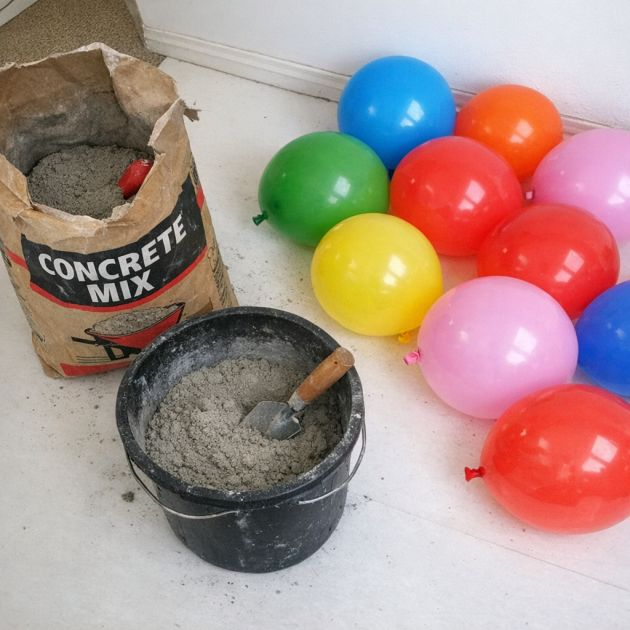
One of the cleverest aspects of this DIY technique is the use of balloons as molds.
Inflated balloons naturally create perfect spherical shapes, which are notoriously difficult to achieve manually. Their flexibility allows for smooth organic curves without expensive equipment or advanced sculpting skills.
The balloon method also keeps the interior hollow, which is essential for inserting lights later. Once the concrete hardens, the balloon can simply be popped and removed.
This process creates lightweight hollow concrete shells that look substantial while remaining manageable enough for outdoor placement.
Another advantage is customization. Different balloon sizes instantly create varying orb dimensions. Smaller spheres work beautifully along pathways, while larger ones become dramatic statement pieces near patios or garden entrances.
Because balloons are inexpensive and widely available, they make this project extremely accessible even for beginners.
Materials Needed for Concrete Garden Orb Lights
One reason this project continues gaining popularity is its simplicity. Only a few affordable materials are needed to create dramatic results.
Balloons
Three balloons of varying sizes help create visual diversity and layered design.
Large balloons produce bold statement orbs, while smaller ones create softer accent lighting.
Quick-Setting Concrete Mix
Fast-setting concrete simplifies the project and reduces drying time.
The concrete creates the durable sculptural shell surrounding the light source.
Fabric Strips
Cheesecloth, gauze, or similar fabric strips strengthen the structure while adding beautiful texture.
The overlapping strips create organic surface patterns that become especially visible once illuminated.
Mixing Bowl
A small bowl is needed for preparing the concrete mixture.
LED Tealights or Battery-Powered Lights
Safe low-heat lighting is essential for illuminating the hollow interior.
Warm white LEDs usually create the most elegant atmosphere.
Protective Tarp
A tarp protects surfaces from concrete spills during construction.
Step-by-Step Process for Creating the Concrete Orbs
The process itself is surprisingly satisfying because the transformation feels dramatic at every stage.
Step 1: Inflate the Balloons
Each balloon is inflated to the desired orb size.
Using varying sizes creates more natural-looking arrangements later.
Step 2: Prepare the Workspace
A tarp protects floors and tables from concrete mess.
Concrete projects can become messy quickly, so preparation matters.
Step 3: Mix the Concrete
The concrete is mixed with water until reaching a thick paste consistency.
The texture should feel workable but not overly runny.
Step 4: Prepare Fabric Strips
Fabric strips are cut long enough to drape smoothly across the balloon surfaces.
Step 5: Saturate the Fabric
Each strip is dipped fully into the concrete mixture.
This creates flexible reinforced layers capable of hardening into strong shells.
Step 6: Wrap the Balloon
The saturated strips are layered carefully across the balloon surface.
Overlapping layers build strength while creating interesting texture patterns.
Step 7: Allow Drying Time
The orbs must dry fully, usually for around twenty-four hours.
Patience is important here because incomplete drying weakens the structure.
Step 8: Remove the Balloon
Once hardened, the balloon is popped and removed gently through the opening.
The result is a hollow concrete sphere.
Step 9: Add the Lighting
LED lights are inserted inside the orb to create the glowing effect.
At this stage, the transformation becomes truly magical.
Why These Garden Lights Look So Expensive
Several design principles contribute to the luxurious appearance of these DIY orb lights.
Sculptural Simplicity
Click page 2 to continue