Backyards are changing.
For years, gardening was often associated with sprawling lawns, large flower beds, and expansive outdoor spaces filled with rows of vegetables and decorative landscaping. But modern living has shifted dramatically. More people now live in compact homes, urban apartments, townhouses, and properties with limited outdoor square footage. Tiny patios, narrow balconies, and small fenced-in yards have become increasingly common, especially in cities and densely populated neighborhoods.
Yet despite smaller living spaces, the desire to garden has never disappeared.
In fact, it has grown stronger.
People crave greenery. They want fresh herbs within arm’s reach. They want peaceful outdoor corners that feel alive, natural, and calming. They want spaces that feel intentional rather than cramped. And perhaps most importantly, they want practical ways to maximize every inch of available space without sacrificing beauty.
That is exactly why one brilliantly simple backyard hack has exploded in popularity recently:
mounting rain gutters horizontally onto wooden fence panels to create vertical herb gardens.
At first glance, the idea sounds unusual.
Rain gutters are supposed to sit on rooftops collecting water — not growing basil, mint, rosemary, or parsley.
But once installed horizontally against a fence and filled with lush greenery, the transformation is shockingly stylish.
What was once an overlooked utilitarian material suddenly becomes:
- a modern vertical garden,
- a space-saving herb wall,
- an urban gardening solution,
- and a visually stunning outdoor feature all at once.
The final result feels clean, organized, sophisticated, and surprisingly high-end. The white gutters contrast beautifully against natural wood fencing, while rows of vibrant green herbs create texture, freshness, and movement throughout the outdoor space.
Neighbors stop and stare.
Guests immediately ask questions.
And many people assume the setup came from a professional landscape designer or luxury patio showroom.
Yet the entire project is affordable, practical, and remarkably beginner-friendly.
More importantly, it solves one of the biggest problems facing modern homeowners and renters:
how to garden beautifully when space is extremely limited.
This DIY herb planter wall proves something powerful:
you do not need a huge backyard to create an outdoor space that feels abundant, elegant, and deeply alive.
Why Vertical Gardening Has Become One of the Biggest Outdoor Trends
As living spaces shrink, vertical gardening has become one of the smartest and most important trends in modern landscaping.
Traditional gardening relies heavily on horizontal ground space. But many people simply do not have enough room for:
- large garden beds,
- sprawling planters,
- or extensive landscaping.
Vertical gardening changes everything by using walls, fences, railings, and upright structures as growing surfaces.
This approach allows people to:
- maximize space,
- grow more plants,
- organize herbs efficiently,
- and create visually dramatic greenery even in tiny areas.
The rain gutter herb wall perfectly embodies this concept because it transforms an ordinary fence into a productive and decorative garden feature.
Why Herb Gardens Are So Popular Right Now
Herbs offer something uniquely rewarding.
Unlike ornamental plants alone, herbs combine:
- beauty,
- fragrance,
- functionality,
- and culinary usefulness.
Fresh herbs instantly elevate cooking while making outdoor spaces feel lush and sensory-rich.
Popular herbs like:
- basil,
- mint,
- thyme,
- rosemary,
- cilantro,
- parsley,
- oregano,
- and chives
provide continuous harvest opportunities in relatively small containers.
This makes them ideal for vertical gutter gardening systems.
The Emotional Appeal of Growing Your Own Food
There is something deeply satisfying about stepping outside and picking fresh herbs directly from your own garden wall.
Even small edible gardens create emotional rewards because they reconnect people to:
- nature,
- self-sufficiency,
- and mindful living.
Modern life often feels disconnected from natural processes.
Growing herbs restores a sense of:
- grounding,
- patience,
- and everyday ritual.
Simple acts like cutting fresh basil for dinner or smelling mint leaves in the morning create moments of calm many people crave today.
Why Rain Gutters Work Surprisingly Well as Planters
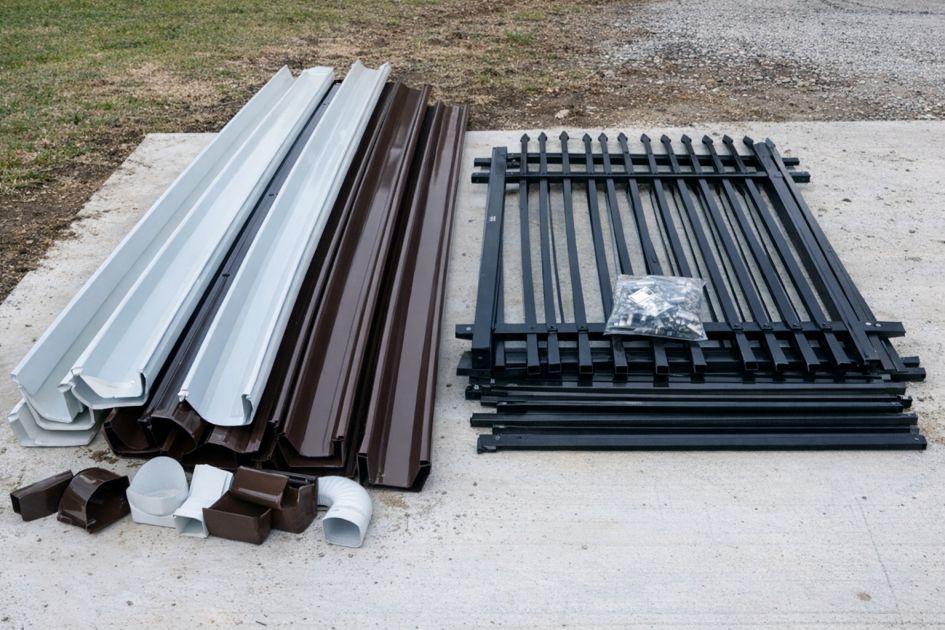
At first glance, rain gutters may seem like strange gardening containers.
But structurally, they are almost perfect for small-rooted plants like herbs.
They are:
- long and narrow,
- lightweight,
- weather-resistant,
- easy to mount,
- affordable,
- and naturally designed for water flow.
Once attached horizontally, they function similarly to sleek modern planter boxes.
Their clean linear shape also creates a visually organized aesthetic highly popular in contemporary outdoor design.
The Beauty of Turning Functional Materials Into Decor
One reason this project feels so clever is because it reimagines ordinary building materials creatively.
People are often amazed when functional objects become unexpectedly beautiful.
Rain gutters usually exist unnoticed on rooftops.
But mounted against warm wood fencing and filled with greenery, they suddenly feel:
- architectural,
- modern,
- and intentionally designed.
This contrast between original purpose and final appearance creates the “wow factor” driving the project’s popularity.
How to Create a Rain Gutter Herb Planter Wall
One of the reasons this backyard hack spread so quickly is because it is surprisingly easy to build.
You do not need advanced carpentry skills.
You do not need professional landscaping experience.
You do not need expensive tools.
With a few materials and some creativity, almost anyone can create an elegant vertical herb garden.
Materials You Will Need
To begin, gather:
- Vinyl rain gutters
- Gutter end caps
- Gutter brackets
- Wood screws
- Drill
- Measuring tape
- Level
- Wooden fence or wall
- Potting soil
- Herb plants or seeds
Optional upgrades include:
- weather-resistant paint,
- drip irrigation,
- hanging labels,
- decorative stencils,
- or solar lighting.
The affordability of the materials is one of the project’s biggest strengths.
Step 1: Measure the Fence Space Carefully
Begin by measuring the available fence area.
Decide:
- how many gutter rows you want,
- spacing between rows,
- and overall layout design.
Spacing matters because herbs need room for upward growth and airflow.
A well-balanced arrangement immediately looks more professional and visually harmonious.
Step 2: Cut the Gutters to Size
Cut the rain gutters to match the desired width.
This customization allows the project to work in:
- tiny balconies,
- narrow patios,
- small courtyards,
- or large backyard fences.
The flexibility makes it adaptable to almost any outdoor space.
Step 3: Attach End Caps
Secure end caps to both sides of each gutter section.
This prevents:
- soil leakage,
- water overflow,
- and structural messiness.
At this stage, the gutters begin looking less like construction materials and more like sleek planter boxes.
Step 4: Mark and Level the Layout
Using a level, mark horizontal lines across the fence.
Precision matters here because uneven rows immediately affect the visual elegance of the design.
Clean horizontal alignment creates:
- modern structure,
- visual order,
- and architectural appeal.
This organized look is one reason the finished herb wall feels surprisingly luxurious.
Step 5: Install the Gutter Brackets
Secure brackets firmly into the fence using wood screws.
Strong installation is essential because wet soil becomes significantly heavier after watering.
Durability matters for long-term success.
Step 6: Mount the Gutters
Snap or place the gutter sections into the installed brackets.
Once mounted, the transformation becomes exciting immediately.
The fence suddenly begins resembling a modern living wall system.
Step 7: Add Soil and Herbs
Fill the gutters with lightweight potting soil.
Then plant herbs according to their spacing needs.
Popular choices include:
- basil,
- thyme,
- mint,
- parsley,
- oregano,
- dill,
- cilantro,
- and chives.
Instantly, the sterile gutters transform into lush green garden features.
Why White Gutters Look So Stylish in Modern Gardens
White vinyl gutters create strong visual contrast against natural wood fencing.
This combination feels:
- clean,
- fresh,
- modern,
- and minimalist.
The crisp white lines frame the greenery beautifully, making the herbs appear even more vibrant.
This aesthetic resembles high-end urban garden design often seen in boutique cafés and luxury patios.
The Psychological Effect of Organized Greenery
Humans naturally respond positively to greenery.
Plants reduce stress while increasing feelings of:
- calmness,
- focus,
- and emotional well-being.
Organized vertical greenery adds another layer of satisfaction because it combines:
- nature,
- structure,
- and visual rhythm.
Rows of herbs create repetitive patterns that feel soothing and aesthetically balanced.
Why Small-Space Gardening Feels So Empowering
Click page 2 to continue