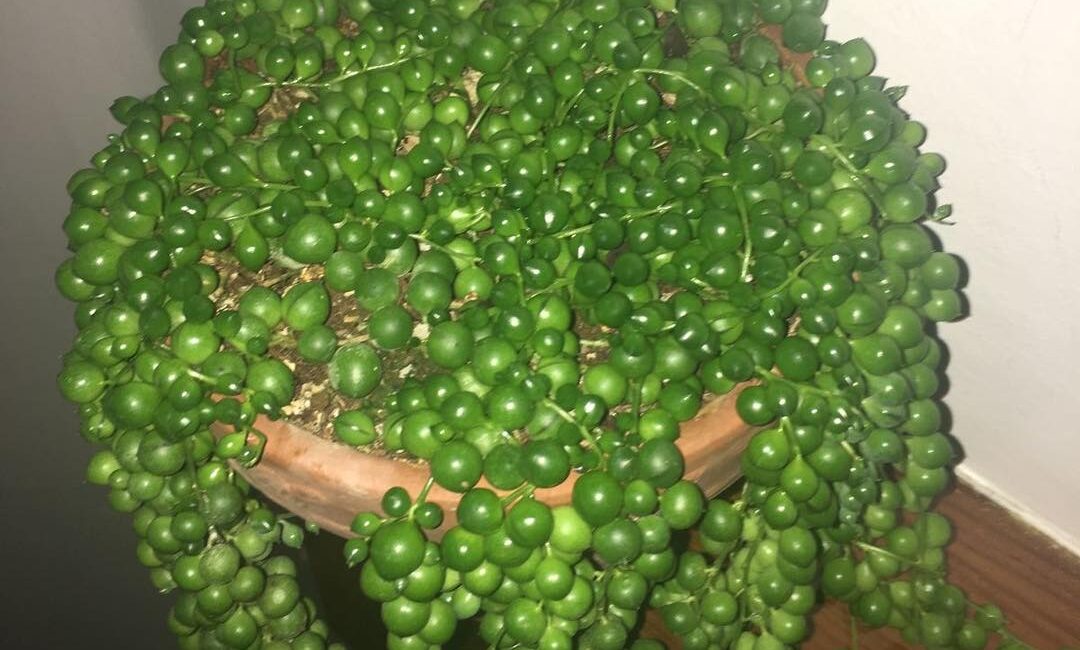
The String of Pearls is one of those plants that captures attention instantly. Its trailing strands, filled with perfectly round bead-like leaves, give it an elegant and almost artistic appearance. It looks effortless, minimal, and calm—yet behind that beauty lies a plant that can be surprisingly sensitive and difficult to maintain.
If your String of Pearls is dying, shrinking, turning yellow, becoming mushy, or simply not growing as it should, you are not alone. Many people struggle with this plant, often because they apply general plant care rules that simply do not work for succulents.
The truth is this:
👉 This plant does not need more care—it needs correct care.
👉 And once you understand its logic, everything becomes easier.
This article will guide you deeply through every possible issue: overwatering, underwatering, light imbalance, root rot, temperature stress, and handling mistakes. But more importantly, it will teach you why these problems happen, so you can fix them with confidence and prevent them in the future.
Understanding the Nature of String of Pearls
Before trying to save your plant, you must understand what it is.
The String of Pearls is a succulent, which means it has adapted to survive in dry environments. Its round leaves (the “pearls”) are actually specialized structures designed to store water.
Concept to Learn: Water Storage Adaptation
Unlike regular plants:
- It does not need frequent watering
- It stores water inside its leaves
- It survives drought better than excess moisture
This explains one of the most important truths:
👉 Most String of Pearls plants die because of too much water, not too little.
The Biggest Problem: Overwatering
Overwatering is the number one cause of death for this plant, as explained in the original guidance .
What Happens When You Overwater
When soil remains wet for too long:
- Roots lose access to oxygen
- They begin to decay
- The plant cannot absorb water anymore
This leads to a paradox:
👉 The plant is surrounded by water—but dying of dehydration internally.
Signs of Overwatering
- Pearls turning yellow or brown
- Soft, mushy texture
- Black or rotting stems
- Soil staying wet for days
Concept to Learn: Root Rot
Root rot is a condition where:
- Roots decay due to excess moisture
- Fungi and bacteria develop
- The plant loses its ability to survive
Once root rot begins, action must be immediate.
How to Save an Overwatered Plant
- Stop watering immediately
- Remove the plant from its pot
- Inspect the roots
- Cut away all mushy or black roots
- Let the plant dry for a few hours
- Repot in fresh, well-draining soil
Important Insight
👉 Water itself is not harmful
👉 The problem is water that does not drain
The Opposite Problem: Underwatering
Although less common, underwatering can also damage your plant.
Signs of Underwatering
- Wrinkled or shriveled pearls
- Dry, thin stems
- Loss of firmness
- Soil extremely dry and compact
Concept to Learn: Hydration vs Absorption
Even if you water:
- If soil is too dry, it may repel water
- Water runs through without absorption
So the plant remains dehydrated.
How to Fix Underwatering
- Remove damaged parts
- Water deeply until water drains out
- Ensure soil absorbs moisture properly
- Resume balanced watering
Key Rule
👉 Let the soil dry—but not stay dry for too long
Light: The Silent Factor That Changes Everything
Light is one of the most misunderstood elements in plant care.
The String of Pearls needs:
👉 Bright, indirect light
Too Much Light (Sunburn)
If exposed to harsh sunlight:
- Pearls become brown or scorched
- Texture becomes dry
- Plant weakens
Too Little Light
If kept in shade:
- Stems become long and stretched
- Pearls become sparse
- Growth becomes weak
Concept to Learn: Light Balance
Plants need:
- Enough light to grow
- But not so much that they burn
This balance is crucial.
Best Placement
- Near a window with indirect sunlight
- Morning sun is acceptable
- Avoid strong afternoon sun
Root Rot Recovery: When the Situation Is Critical
If your plant shows severe damage, root rot may already be advanced.
Steps to Recover
- Remove the plant from soil
- Cut all damaged roots
- Keep only healthy parts
- Repot in dry succulent mix
When Recovery Is Not Possible
If roots are mostly destroyed:
👉 You must propagate.
Concept to Learn: Propagation as Survival
Propagation is:
👉 Creating a new plant from healthy parts
This is not failure—it is recovery.
How to Propagate
- Cut healthy strands
- Place them on fresh soil
- Lightly water
- Wait for roots to develop
Temperature: The Overlooked Stress Factor
Plants are sensitive to environmental changes.
Ideal Temperature Range
- Between 15°C and 35°C
What Causes Stress
- Cold drafts
- Sudden temperature changes
- Air conditioning or heaters
Signs of Temperature Stress
Click page 2 to continue