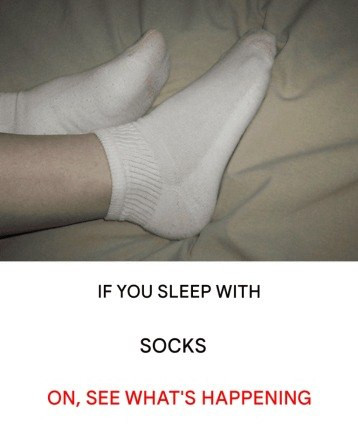
A small habit can sometimes have a surprisingly large impact on well-being. Wearing socks at home may seem like a simple comfort preference, yet for older adults it can play an important role in maintaining circulation, protecting the skin, preventing injuries, and supporting overall comfort.
As the body ages, many subtle physiological changes occur. Blood circulation slows slightly, skin becomes thinner and more fragile, nerves in the feet may become less sensitive, and body temperature regulation may not function as efficiently as it once did. These changes mean that something as simple as walking barefoot on a cool floor can sometimes lead to discomfort or even health risks.
For seniors, socks are not just about warmth. They can support foot health, protect against falls, help maintain circulation, and reduce the risk of skin damage. In many cases, doctors, podiatrists, and caregivers encourage older adults to keep their feet covered even when they remain indoors.
Understanding why this small habit matters requires exploring how aging affects the body, why feet become more vulnerable with time, and how something as simple as wearing socks can help maintain comfort and safety.
How Aging Changes the Feet
The feet carry the entire weight of the body and are among the most used parts of the human anatomy. Over a lifetime, they endure countless steps, pressure, and environmental exposure.
With age, several physiological changes affect the feet:
• The skin becomes thinner and less elastic
• Natural oils decrease, causing dryness
• Circulation may slow
• Sensitivity to temperature changes may increase
• Balance may become less stable
These changes make the feet more vulnerable to dryness, cracking, irritation, and injury.
The loss of natural cushioning in the feet can also lead to discomfort when walking on hard surfaces such as tile, wood, or stone floors. Without proper protection, small irritations may develop into more serious problems.
Socks act as a gentle protective barrier that helps reduce friction, preserve warmth, and shield the skin from direct contact with surfaces.
Circulation and the Importance of Warm Feet
One of the most significant reasons seniors benefit from wearing socks is circulation.
Blood circulation is the process that transports oxygen and nutrients throughout the body. Healthy circulation ensures that tissues receive the resources they need to function properly.
As people age, circulation may become less efficient. This is partly due to changes in blood vessels, reduced physical activity, and natural aging processes affecting the cardiovascular system.
The feet are particularly sensitive to these changes because they are farthest from the heart. When circulation slows, the feet may feel colder than the rest of the body.
Cold feet are more than a minor discomfort. Persistent coldness can lead to stiffness in muscles and joints, making movement less comfortable.
Wearing socks helps maintain warmth in the feet, which encourages blood vessels to remain slightly dilated. This can support more efficient circulation.
Warmth therefore becomes a simple but effective way to maintain comfort and mobility.
Temperature Regulation in Older Adults
Another reason socks are beneficial relates to body temperature regulation.
The human body maintains a stable internal temperature through a complex system involving the brain, blood vessels, and sweat glands. However, aging can affect this system.
Older adults may feel cold more easily than younger individuals because:
• Metabolism slows with age
• Muscle mass decreases
• Circulation may become less efficient
When feet become cold, the body often interprets this as a signal that the entire environment is cold.
Keeping the feet warm helps the body maintain thermal balance.
This is why wearing socks can sometimes improve overall comfort, even if the room temperature remains the same.
Preventing Dry Skin and Cracked Heels
Foot skin is naturally thicker than skin on most other parts of the body. However, with age it can become significantly drier.
Reduced oil production means that the skin may lose moisture more quickly. This dryness can lead to rough patches or cracks, especially around the heels.
Cracked heels may seem like a minor cosmetic issue, but deeper cracks can cause discomfort or even become entry points for bacteria.
Socks help reduce moisture loss by creating a protective layer around the skin. They also prevent friction between the foot and floor surfaces.
In many cases, doctors recommend applying moisturizing creams before wearing socks at night. The socks help lock in the moisture and improve hydration of the skin.
This simple routine can significantly improve foot comfort.
Protection From Household Hazards
Walking barefoot at home may seem harmless, but household environments often contain small hazards that can injure the feet.
Examples include:
• Tiny glass fragments
• Sharp edges from furniture
• Hard floor surfaces
• Rough carpets
• Dust or debris
Younger individuals may notice and avoid these hazards quickly. However, aging sometimes reduces sensation in the feet, particularly in people with certain medical conditions.
Socks act as a protective barrier against minor cuts or abrasions.
Although socks alone cannot prevent all injuries, they significantly reduce direct contact between the foot and potentially harmful surfaces.
Reducing the Risk of Falls
Falls are a major concern for older adults. According to many health organizations, falls are one of the most common causes of injury among seniors.
Footwear plays a crucial role in balance and stability.
Walking barefoot or wearing loose slippers may increase the risk of slipping on smooth surfaces.
Special types of socks designed for seniors often include non-slip grips on the soles. These grips create traction on floors and help prevent accidental slipping.
Non-slip socks are particularly helpful in environments such as bathrooms or kitchens where surfaces may become wet.
Maintaining stability while walking is essential for preventing injuries.
Supporting Sensitive Feet
Click page 2 to continue