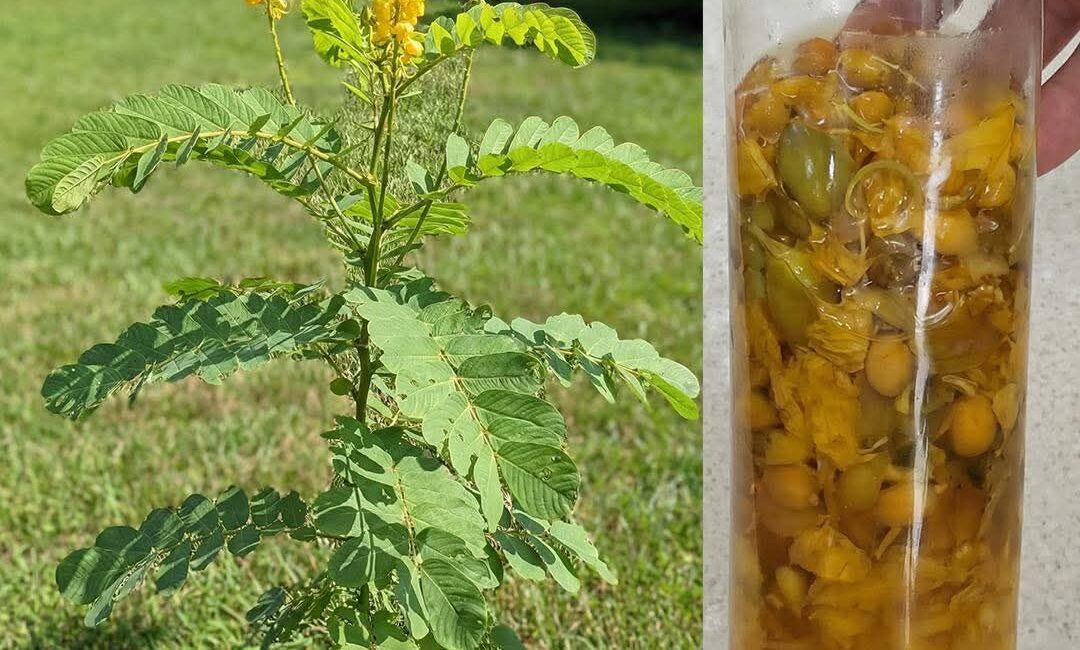
Across forests, fields, and tropical landscapes around the world, countless wild plants grow quietly with remarkable properties. Many of them have been used for centuries in traditional medicine, yet modern life has caused many of these natural remedies to fade into obscurity. One such plant—often overlooked despite its striking appearance and long history of use—is Senna alata.
To some people, Senna alata looks like nothing more than a decorative tropical shrub. Its tall stems, large green leaves, and bright yellow candle-shaped flowers make it visually impressive, but few people realize that behind this beauty lies a plant that has fascinated healers and botanists for generations.
Often referred to by names such as candle bush, ringworm bush, or empress candle plant, Senna alata has been valued in traditional herbal practices across Asia, Africa, South America, and the Caribbean. In many of these regions, its leaves have been used for skin care, cleansing rituals, and natural wellness preparations.
What makes this plant especially intriguing is the combination of powerful compounds within its leaves. These compounds interact with microorganisms, skin cells, and biological processes in ways that scientists have begun studying more closely in recent decades.
While modern medicine relies heavily on synthesized pharmaceuticals, many plant-based compounds continue to inspire new treatments and wellness products. Senna alata stands among the plants that bridge ancient herbal knowledge with modern scientific curiosity.
Exploring this plant requires understanding its botanical characteristics, historical uses, chemical composition, and the reasons it has earned such a reputation in natural wellness traditions.
The Botanical Identity of Senna Alata
Senna alata belongs to the Fabaceae family, commonly known as the legume or pea family. This large plant family includes thousands of species, many of which produce biologically active compounds.
The plant is native to tropical regions of South America but has spread widely across tropical climates worldwide. Today it grows naturally in many parts of Africa, Southeast Asia, Central America, and the Caribbean.
One of the most recognizable features of Senna alata is its dramatic flowering structure. The plant produces tall vertical spikes of bright yellow blossoms that resemble candles, which is why it is often called the candle bush.
These flowers emerge from thick stems surrounded by large compound leaves. Each leaf consists of multiple leaflets arranged symmetrically along a central stem, giving the plant a lush and distinctive appearance.
Under favorable conditions, Senna alata can grow between two and five meters tall, forming dense clusters in open areas, roadsides, and forest edges.
The plant thrives in warm climates with abundant sunlight and moderate rainfall. It adapts well to disturbed soils and often appears in places where the ground has recently been cleared.
Despite its ornamental beauty, the leaves remain the most widely used part of the plant in traditional practices.
A Plant Known Across Cultures
One fascinating aspect of Senna alata is how widely it has been recognized in different cultures.
Although separated by oceans and languages, many communities independently discovered its potential uses.
In tropical Asia, traditional healers prepared leaf pastes for various skin concerns. In parts of Africa, the plant became associated with cleansing rituals and herbal baths. Indigenous communities in South America incorporated the plant into natural treatments passed down through generations.
Because of its strong association with skin care, the plant earned the nickname “ringworm bush” in several regions. This name reflects its historical use in folk remedies aimed at addressing fungal skin conditions.
These traditions spread as people migrated and shared herbal knowledge. Over time, the plant became integrated into local medicinal practices in many tropical societies.
Today, it remains a familiar presence in herbal gardens and rural landscapes, though urban populations may no longer recognize its traditional significance.
The Chemical Compounds Inside the Leaves
Modern scientific studies have identified several compounds within Senna alata that help explain its historical uses.
The leaves contain various bioactive molecules, including:
- Anthraquinones
- Flavonoids
- Tannins
- Saponins
- Alkaloids
Each of these compound groups interacts with biological systems in different ways.
Anthraquinones
Anthraquinones are natural compounds found in several medicinal plants. They are known for their antimicrobial properties and their ability to influence digestive processes.
In some plants related to Senna alata, anthraquinones are used in herbal preparations that support digestive regularity.
Flavonoids
Flavonoids are antioxidant compounds found in many fruits, vegetables, and medicinal herbs.
They help neutralize free radicals—unstable molecules that can damage cells and contribute to inflammation.
Antioxidants are widely studied for their potential role in protecting skin and supporting overall wellness.
Tannins
Tannins are plant compounds known for their astringent properties. They can help tighten tissues and create protective barriers on the skin.
Because of this property, tannins have historically been used in herbal preparations designed to soothe irritated skin.
Saponins
Saponins are compounds that create a mild foaming effect when mixed with water. They possess natural cleansing properties and are sometimes used in plant-based soaps and shampoos.
Senna Alata and Skin Wellness
Among the many traditional uses of Senna alata, its association with skin wellness remains the most well known.
In various cultures, crushed leaves have been applied to the skin in the form of pastes or infusions.
The antimicrobial and antifungal properties of certain compounds within the leaves may contribute to this reputation.
Skin is the body’s largest organ and serves as the primary barrier against environmental threats. Maintaining healthy skin involves protecting this barrier from microorganisms, irritation, and oxidative stress.
Plant compounds with antimicrobial or antioxidant properties can sometimes support this natural defense system.
However, it is important to recognize that traditional herbal practices vary widely in preparation methods and effectiveness.
Scientific research continues to explore how compounds in plants like Senna alata interact with the skin at a cellular level.
The Plant’s Role in Traditional Herbal Preparations
Click page 2 to continue