Food travels farther today than at any point in human history. A snack bought in a neighborhood store may contain ingredients grown on another continent, processed in a distant factory, and shipped across oceans before reaching your plate. This global exchange has created an extraordinary abundance of food choices, but it has also raised questions about safety, transparency, and production standards.
One topic that often surfaces in discussions about food safety is the concern surrounding certain imported products, particularly those manufactured in large industrial supply chains. Over the past two decades, reports about contaminated ingredients, misleading labeling, or unsafe processing conditions have sparked debates among consumers, regulators, and food scientists.
Among the many headlines that circulate online, lists sometimes appear warning people about foods produced in specific countries. One frequently discussed example is the claim that there are “eight foods made in China you should no longer eat.” While such lists often oversimplify complex global supply chains, they do highlight an important issue: consumers should understand where their food comes from and how it is produced.
This article explores the broader context behind these concerns. Rather than focusing on sensational claims, it examines the realities of global food manufacturing, the types of foods that have historically raised safety questions, and the lessons consumers can learn about evaluating food quality and sourcing.
Understanding food safety requires careful thinking, scientific awareness, and a willingness to look beyond simple headlines. The goal is not fear but informed decision-making.
The Rise of Global Food Supply Chains
Modern food systems are deeply interconnected. A single packaged meal may contain ingredients sourced from several countries.
Consider how food production works today:
- Crops may be grown in one region where climate conditions are favorable.
- Raw ingredients are transported to factories for processing.
- Finished products are packaged and exported to international markets.
This system allows countries to specialize in certain agricultural products and keep food prices relatively low. China, for example, has become one of the world’s largest exporters of food ingredients and processed foods due to its massive agricultural output and manufacturing capacity.
However, the complexity of global supply chains can make oversight challenging. When products move across borders, they pass through multiple stages of handling, storage, and regulation.
Different countries may have different food safety standards, inspection procedures, and enforcement systems. This variation sometimes leads to concerns among consumers about the reliability of imported products.
Understanding these concerns requires examining the types of foods that have historically been linked to safety controversies.
Food Safety Concerns in International Trade
Food safety incidents can occur anywhere in the world. No country is entirely immune from contamination, processing errors, or labeling problems.
However, when a large exporter experiences a widely reported safety incident, it can influence global perception for years.
Several high-profile cases involving contaminated ingredients drew international attention and led to stricter regulations and inspection procedures.
These events helped push governments and food agencies to strengthen testing protocols and supply chain transparency.
As a result, discussions about imported foods often focus on certain categories that have historically been associated with safety concerns.
These categories sometimes appear in online lists warning consumers about particular products.
Understanding these categories helps clarify why they attract attention.
Farmed Fish and Seafood Products
One of the most frequently discussed categories in food safety debates involves farmed seafood.
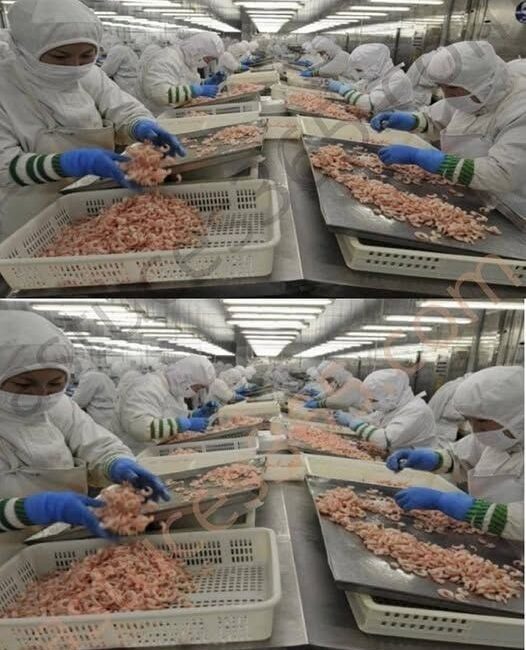
Aquaculture—fish farming—has grown dramatically in recent decades as global demand for seafood has increased. China is the world’s largest producer of farmed fish and seafood.
While aquaculture plays a crucial role in feeding the global population, it can also present challenges.
Fish farms require careful management of water quality, disease control, and feed composition. In some cases, concerns have been raised about the use of antibiotics or environmental contaminants in fish farming operations.
Regulatory agencies in many countries monitor imported seafood for residues and contamination.
Consumers interested in seafood safety often look for certifications indicating responsible farming practices or sustainable sourcing.
Processed Garlic and Agricultural Chemicals
Another food product frequently mentioned in consumer discussions is garlic.
China produces a large share of the world’s garlic supply, exporting significant quantities to international markets.
Garlic itself is not inherently unsafe. However, some concerns have been raised about agricultural practices, including pesticide use and processing methods.
After harvesting, garlic bulbs are sometimes treated to prevent sprouting during long shipping periods.
Consumers who prefer minimal chemical treatment may choose locally grown garlic or products labeled as organic.
However, it is important to note that food safety authorities routinely test imported agricultural products for chemical residues.
Apple Juice and Fruit Concentrates
Fruit juice concentrates are widely traded commodities in global food markets.
Many beverage companies use concentrated fruit juice imported from multiple countries.
In the past, concerns have occasionally emerged regarding contamination in certain batches of fruit concentrate, including issues related to heavy metals or pesticide residues.
These incidents have led to stricter import inspections and testing requirements.
Today, most commercial juice products undergo extensive quality checks before reaching consumers.
Nevertheless, some shoppers prefer fresh juice or locally sourced products as an alternative to large-scale industrial concentrates.
Processed Mushrooms and Canned Vegetables
Canned vegetables, including mushrooms, are another category sometimes mentioned in discussions about imported food quality.
Large-scale food processing plants must maintain strict sanitation and quality control systems to prevent contamination.
When these systems fail, problems can occur regardless of the country where the factory operates.
Consumers concerned about processed foods often focus on labeling transparency and inspection certifications.
Reading ingredient lists and understanding where products are packaged can provide additional reassurance.
Frozen Foods and Complex Supply Chains
Frozen foods often involve particularly complex supply chains.
A frozen meal might contain ingredients sourced from several countries before being assembled in a single processing facility.
This complexity makes traceability important.
Modern food safety systems rely on detailed tracking methods that allow manufacturers and regulators to trace ingredients back to their origin.
If contamination is detected, this traceability helps identify affected batches and remove them from the market.
Consumers who prefer simplicity sometimes choose frozen foods with shorter ingredient lists and clearly labeled sourcing.
Artificial Rice Rumors and Food Myths
Click page 2 to continue