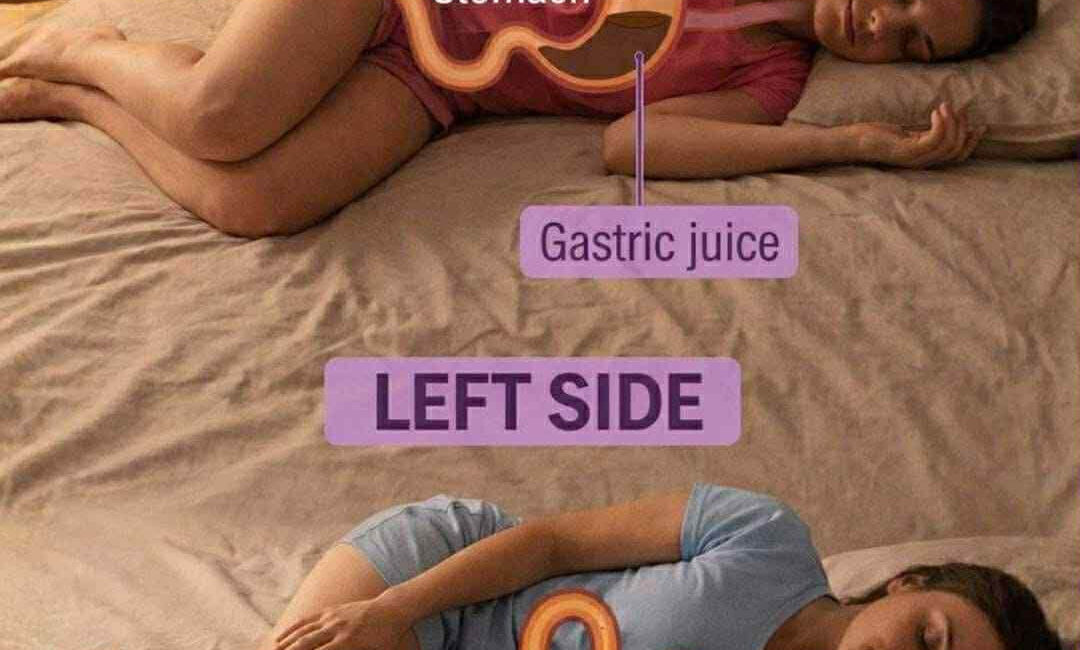
Sleep is one of the most fundamental biological processes that sustain human life. Every night, the body enters a carefully orchestrated state of restoration where cells repair themselves, memories consolidate, hormones regulate, and the brain clears metabolic waste accumulated during the day. While the importance of sleep duration and quality is widely recognized, one factor that receives far less attention is sleep position.
The way a person sleeps—whether on the back, stomach, left side, or right side—can influence breathing, digestion, circulation, spinal alignment, and even long-term health outcomes. Among these positions, side sleeping is the most common. Yet within side sleeping, there exists a subtle distinction that may have meaningful effects: sleeping on the right side versus the left side.
Many people naturally gravitate toward the right side during sleep. For some, it simply feels more comfortable. For others, it may become a habitual position developed over years. However, the anatomy of the human body is not perfectly symmetrical. Internal organs are arranged in ways that cause different pressures and physiological responses depending on which side of the body is resting against the mattress.
As a result, sleeping on the right side may have certain implications that are worth understanding. For some individuals, this position may contribute to issues such as acid reflux, cardiovascular strain, or digestive discomfort. For others, it may offer benefits like improved lymphatic drainage or better spinal relaxation. The key lies in recognizing that sleep posture interacts with personal health conditions, anatomy, and lifestyle.
This article explores the science behind right-side sleeping in depth. We will examine how body position influences organ function, discuss potential risks and benefits associated with sleeping on the right side, and consider how individuals can choose the most supportive sleeping posture for their bodies.
By understanding the complex relationship between sleep position and health, readers can make informed decisions that enhance both nightly rest and long-term well-being.
Understanding the Role of Sleep Position in Human Health
To appreciate why sleep position matters, it helps to examine how the body behaves during sleep.
During waking hours, muscles constantly adjust posture, balance, and pressure distribution. When lying down, however, the body remains in relatively fixed positions for extended periods. This prolonged pressure influences blood flow, organ placement, breathing mechanics, and nerve function.
Sleep positions generally fall into four major categories:
- Back sleeping (supine position)
- Stomach sleeping (prone position)
- Left-side sleeping
- Right-side sleeping
Each position alters the relationship between gravity and the body’s internal systems.
For example, sleeping on the back distributes weight evenly across the spine but may worsen snoring or sleep apnea in some individuals. Stomach sleeping can reduce snoring but often strains the neck and spine.
Side sleeping is often recommended by sleep specialists because it supports spinal alignment and can reduce airway obstruction. However, which side a person sleeps on may influence specific physiological processes.
The Anatomy Behind Right-Side Sleeping
The human body’s organs are arranged asymmetrically within the chest and abdominal cavity. This asymmetry explains why the left and right sleeping positions can produce different effects.
Several organs are particularly relevant when considering right-side sleeping:
The Stomach
The stomach is positioned slightly toward the left side of the abdomen. When lying on the right side, gravity may cause stomach contents to shift in ways that influence digestion and reflux.
The Heart
The heart sits slightly toward the left side of the chest. Sleeping on different sides can alter pressure around the heart and blood vessels.
The Liver
The liver is one of the largest organs in the body and resides primarily on the right side of the abdomen. Sleeping on the right side places the liver downward relative to gravity.
The Lymphatic System
The lymphatic system plays a key role in immune function and fluid balance. Body position can affect lymph drainage patterns.
Because these organs respond differently to gravitational pressure, sleep position can influence how efficiently certain bodily processes occur during the night.
Potential Digestive Effects of Sleeping on the Right Side
One of the most discussed concerns related to right-side sleeping involves acid reflux, also known as gastroesophageal reflux.
Understanding Acid Reflux
Acid reflux occurs when stomach acid flows backward into the esophagus, the tube connecting the mouth and stomach. This condition can cause symptoms such as heartburn, chest discomfort, and a sour taste in the mouth.
A muscular valve called the lower esophageal sphincter normally prevents stomach contents from moving upward. However, when this valve weakens or relaxes, reflux can occur.
How Sleep Position Influences Reflux
When lying down, gravity no longer assists digestion in the same way it does while standing. The orientation of the stomach relative to the esophagus becomes important.
Some research suggests that lying on the right side may allow stomach contents to press more directly against the esophageal opening. This positioning could increase the likelihood of reflux episodes in susceptible individuals.
In contrast, lying on the left side may help keep the stomach positioned below the esophagus, reducing reflux risk.
For individuals who frequently experience nighttime heartburn, adjusting sleep position may provide noticeable relief.
Cardiovascular Considerations
Another area of interest involves how sleep position influences the cardiovascular system.
The heart sits slightly left of center within the chest cavity. When a person lies on the right side, the heart rests higher relative to the rest of the body’s organs.
Some individuals report feeling more aware of their heartbeat when lying on the left side, which may lead them to prefer the right side for comfort.
However, the relationship between sleep position and heart health remains complex.
Certain studies suggest that sleeping on the left side may improve circulation and reduce pressure on the heart for individuals with specific cardiac conditions. Other research indicates that right-side sleeping may feel more comfortable for people with heart failure.
The key takeaway is that sleep posture interacts with individual health conditions, making personalized recommendations important.
Breathing and Airway Function
Click page 2 to continue