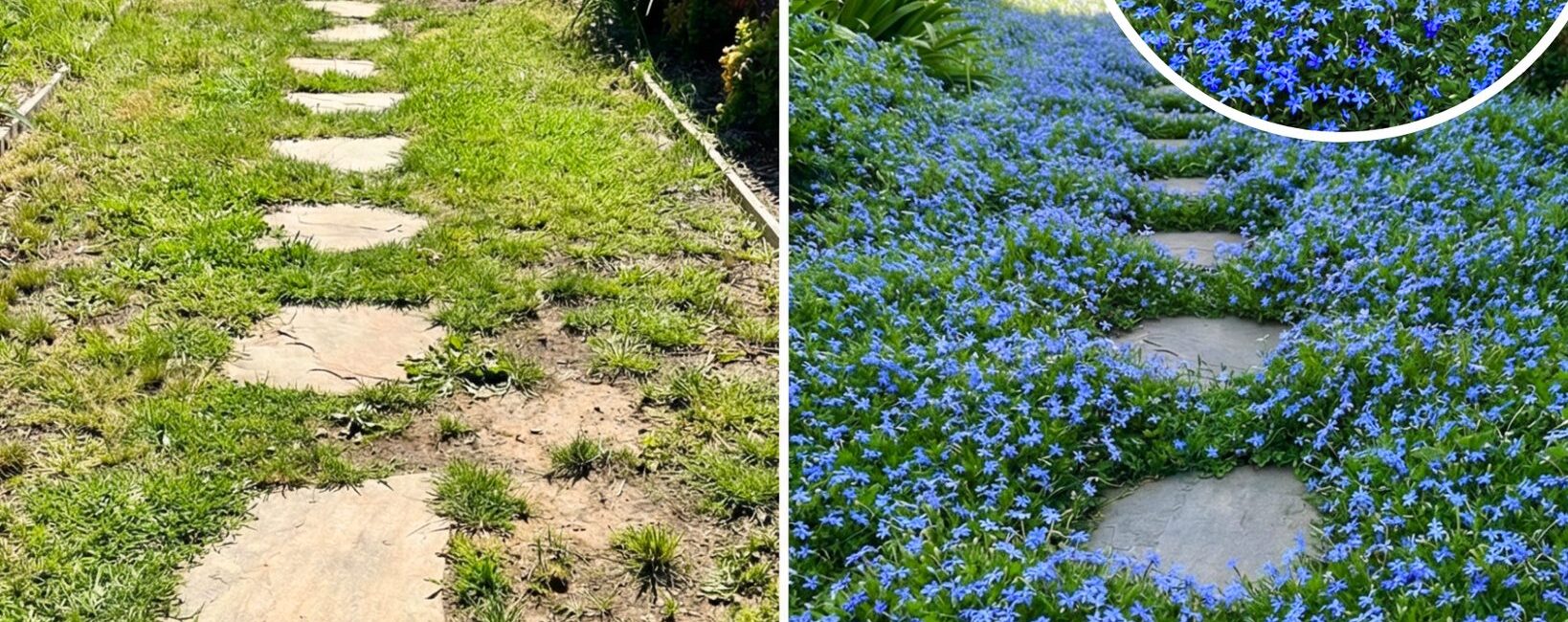
For generations, the manicured lawn has been the symbol of a well-kept garden. Across neighborhoods and landscapes, carpets of uniform green grass stretch across yards, parks, and public spaces. The aesthetic is deeply ingrained: a flat, emerald lawn represents order, care, and pride in one’s outdoor environment.
Yet maintaining a traditional grass lawn often demands constant work. Mowing, watering, fertilizing, edging, reseeding, and weed control quickly become a weekly routine. In hot climates, lawns may require substantial irrigation to stay green. In cooler climates, seasonal dieback and patchiness lead to repeated repairs. Add pest treatments, soil amendments, and specialized equipment, and the once-simple lawn can transform into a demanding landscape feature.
At the same time, ecological awareness has begun reshaping the way gardeners view outdoor spaces. Instead of prioritizing uniformity, many gardeners now seek resilient, biodiverse landscapes that require less maintenance while supporting pollinators, soil health, and natural beauty.
One powerful solution lies in spreading ground covers.
Ground cover plants grow low to the ground and spread horizontally, gradually forming dense carpets of foliage. Unlike traditional turf grass, many ground covers require less mowing, tolerate shade or drought more effectively, and produce seasonal flowers that attract beneficial insects.
Perhaps most importantly, ground covers create living landscapes with texture, color, and ecological function rather than a single uniform surface.
Replacing all or part of a lawn with ground covers can transform a garden from a maintenance burden into a dynamic ecosystem. Some varieties thrive in sunny spaces, others flourish beneath trees, and many produce blossoms that brighten the garden throughout the year.
This article explores ten remarkable spreading ground covers that offer year-round visual interest and seasonal blooms. Along the way, we will examine why lawns became so popular, how ground covers support healthier landscapes, and how gardeners can successfully transition from traditional turf to vibrant living carpets.
The Cultural History of the Lawn
Understanding alternatives to lawns requires examining how lawns became so widespread in the first place.
Historically, lawns were associated with wealth. In medieval Europe, large grassy fields surrounding castles and estates were maintained primarily to demonstrate land ownership and power. Maintaining open grassland required labor and resources that only wealthy landowners could afford.
Over time, lawns became linked to ideals of order, beauty, and control over nature.
During the nineteenth and twentieth centuries, the popularity of suburban housing dramatically expanded lawn culture. Developers and landscape designers promoted lawns as a universal standard for residential properties. Grass seed companies and lawn equipment manufacturers reinforced the trend through advertising and cultural messaging.
The result was a landscape tradition in which nearly every home included a grass lawn regardless of climate, soil conditions, or ecological impact.
However, modern environmental awareness has revealed several drawbacks to traditional lawns:
- High water consumption in dry climates
- Dependence on fertilizers and chemicals
- Limited habitat for wildlife and pollinators
- Continuous maintenance requirements
As a result, many gardeners are exploring alternatives that offer beauty without the same level of upkeep.
Why Ground Covers Are an Intelligent Alternative
Ground cover plants provide a fundamentally different approach to landscaping.
Rather than forcing a single species of grass to dominate a space, ground covers introduce diversity, texture, and resilience into the garden.
Several characteristics make them particularly appealing.
Reduced Maintenance
Many ground covers grow slowly or maintain low heights, eliminating the need for frequent mowing.
Soil Protection
Dense foliage protects soil from erosion, sun exposure, and temperature fluctuations.
Weed Suppression
Once established, spreading plants cover bare soil, preventing weed seeds from germinating.
Habitat Creation
Flowering ground covers provide nectar and pollen for pollinators such as bees, butterflies, and hoverflies.
Visual Variety
Different leaf shapes, colors, and flowers create a garden that evolves throughout the seasons.
With these advantages in mind, let us explore ten exceptional ground covers capable of replacing traditional lawns while adding year-round interest.
Ten Beautiful Spreading Ground Covers for Low-Maintenance Gardens
1. Creeping Thyme: Fragrant Carpets of Tiny Flowers
Creeping thyme is one of the most beloved ground covers for sunny landscapes.
This aromatic herb forms dense mats of tiny leaves that release a pleasant fragrance when brushed or stepped on. During late spring and early summer, creeping thyme produces a profusion of small flowers ranging from lavender and pink to soft purple.
Pollinators are particularly fond of these blooms.
Unlike traditional turf grass, creeping thyme tolerates dry conditions and poor soil remarkably well. Its low growth habit makes it suitable for pathways, rock gardens, and open lawns where minimal mowing is desired.
The plant spreads slowly but steadily, forming lush carpets that remain attractive throughout the year in many climates.
2. White Clover: The Living Lawn Alternative
White clover has long been used as a lawn component, though modern lawn culture often treats it as a weed.
In reality, clover offers several advantages over traditional grass.
First, clover is a nitrogen-fixing plant, meaning it forms a partnership with soil bacteria that convert atmospheric nitrogen into nutrients plants can use. This process naturally fertilizes the soil without chemical inputs.
Second, clover stays green even during moderate drought conditions.
Its small white flowers provide nectar for bees, supporting pollinator populations in urban areas.
Many gardeners now plant clover as a full lawn replacement or mix it with other ground covers to create resilient landscapes.
3. Creeping Jenny: Golden Foliage That Brightens the Garden
Creeping Jenny, also known as moneywort, is prized for its vibrant chartreuse leaves.
The plant spreads rapidly across soil surfaces, forming a bright green or golden carpet that illuminates shaded garden spaces.
In early summer, creeping Jenny produces small yellow flowers that contrast beautifully with its foliage.
Because it tolerates both moist soil and partial shade, it is often used near ponds, under trees, or in difficult areas where grass struggles to grow.
The trailing stems can also spill gracefully over garden walls or containers, adding dynamic visual movement.
4. Sweet Woodruff: A Shade-Loving Ground Cover
Click page 2 to continue