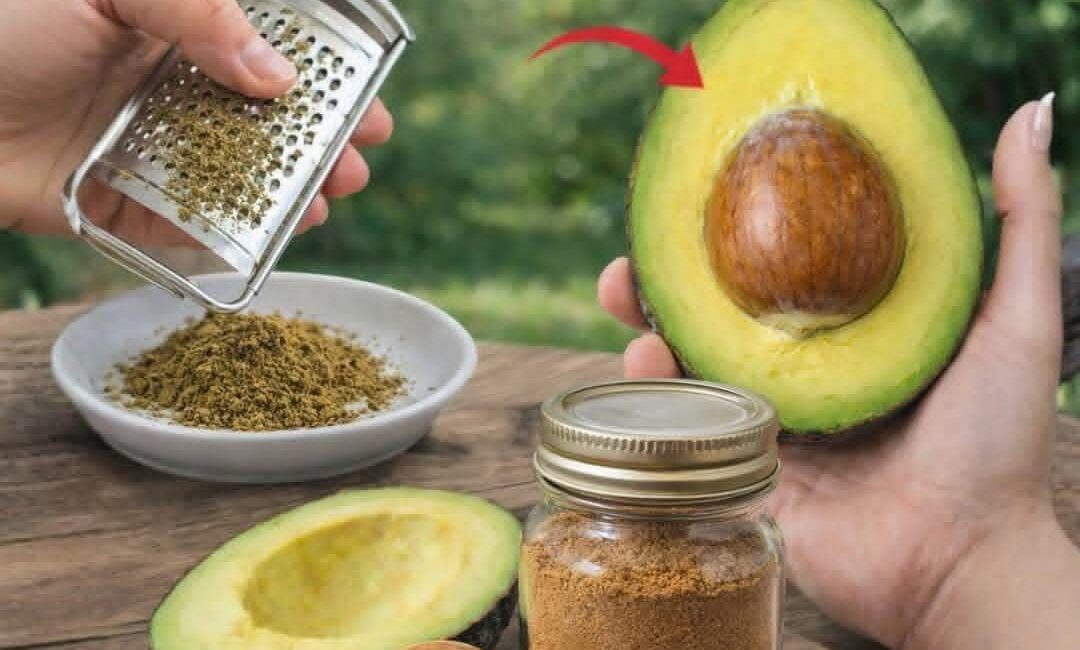
You slice open an avocado. You scoop out the green, creamy flesh. You admire the smooth, satisfying shape of the pit for half a second — and then you toss it into the trash.
It feels like waste, but it also feels inevitable.
After all, the avocado pit is hard as wood, bitter if tasted, and seemingly useless. The edible part is the flesh. The pit is just… the pit.
Or is it?
In recent years, avocado seeds (also called pits) have sparked curiosity among nutrition researchers, sustainability advocates, herbal enthusiasts, and DIY experimenters. Articles claim they are “superfoods.” Others warn they are unsafe. Some people grind them into smoothies. Others boil them for dye. A few try to grow new trees from them.
So what is actually true?
This article will explore avocado pits in depth — not as a miracle ingredient, not as a danger to fear, but as a fascinating biological structure with nutritional compounds, limitations, safety considerations, and surprisingly creative uses.
We will look at what is inside the pit, what research really says, how to prepare it cautiously if you choose to experiment, who should avoid it, and why its greatest value may not be nutritional at all — but ecological.
Because sometimes the most interesting part of a fruit is the part we never think about.
What Is Actually Inside an Avocado Pit?
An avocado pit makes up approximately 15–20% of the total fruit weight. Structurally, it is not just a “stone.” It is a seed — the reproductive core of the fruit, designed to grow into a tree under the right conditions.
Unlike the fatty flesh surrounding it, the seed is dense, fibrous, and chemically complex.
Laboratory analyses published in food science research have identified several key components inside avocado seeds:
- High levels of dietary fiber (especially insoluble fiber)
- Polyphenols and flavonoids (plant-based antioxidant compounds)
- Small amounts of minerals such as potassium and magnesium
- Tannins, which contribute to bitterness
- Bioactive compounds that researchers are still investigating
Here is an important truth often overlooked in sensational health articles:
Much of the existing research on avocado pits is based on laboratory studies or animal models. Human clinical trials are limited.
That means avocado pits should not be treated as proven therapeutic foods. They are experimental additions at best — and should be approached cautiously.
However, traditional uses in parts of Central and South America suggest that, when prepared carefully and used in moderation, the seed has been incorporated into folk practices for generations.
That is where the conversation becomes nuanced.
The Nutritional Composition: Fiber and Beyond
Let us begin with fiber.
Avocado pits are particularly rich in insoluble fiber. Fiber supports digestive regularity by adding bulk to stool and assisting movement through the gastrointestinal tract.
Unlike soluble fiber (found in oats and beans), insoluble fiber does not dissolve in water. Instead, it acts mechanically — promoting bowel movement and preventing constipation.
From a purely nutritional standpoint, fiber is beneficial. Many health organizations emphasize adequate daily fiber intake for digestive and cardiovascular support.
But here is the key distinction:
You can get fiber from many safe, well-studied sources — vegetables, legumes, whole grains.
Avocado pit fiber is not essential.
It is optional.
The presence of fiber alone does not justify large consumption.
Polyphenols and Antioxidants: The Real Scientific Interest
Where avocado pits truly intrigue researchers is in their polyphenol content.
Polyphenols are plant compounds known for antioxidant activity. Antioxidants help neutralize free radicals — unstable molecules that contribute to oxidative stress in cells.
Oxidative stress is associated with aging processes and various chronic conditions.
Laboratory studies suggest that avocado seed extracts may have higher antioxidant activity than the flesh of the fruit itself.
Compounds identified include:
- Catechins
- Procyanidins
- Flavonoids
- Phenolic acids
These compounds are found in many plant foods — including green tea, berries, and cocoa.
But again, a crucial clarification:
Most antioxidant findings come from extract studies, not whole-seed consumption in humans.
Extract studies often use concentrated forms not comparable to small dietary additions.
This distinction matters.
Potential Heart-Supporting Properties (With Caution)
Some animal studies have explored the effect of avocado seed extracts on cholesterol markers.
In controlled laboratory environments, certain extracts appeared to influence lipid levels in test animals.
This sparked interest in the possibility of heart-supportive applications.
However:
- These findings are preliminary.
- Human trials are minimal.
- Extract doses differ significantly from casual dietary use.
Established heart-health guidelines emphasize:
- Whole grains
- Fruits and vegetables
- Legumes
- Healthy fats (like avocado flesh itself)
- Regular physical activity
Avocado pit powder should never replace proven dietary patterns.
If used, it should complement — not substitute — established habits.
Moderation is non-negotiable.
Digestive Support Through Fiber: Start Small or Don’t Start
Because avocado pits are extremely fibrous, improper use can cause digestive discomfort.
Too much fiber too quickly can lead to:
- Bloating
- Gas
- Abdominal discomfort
- Constipation (ironically)
If someone chooses to experiment, experts often recommend starting with no more than a pinch (about ⅛ teaspoon) of finely ground powder mixed into food.
And not daily.
Digestive systems vary widely. Sensitivity matters.
The pit is extremely hard and must be processed correctly before any attempt at ingestion.
Raw consumption is not appropriate.
The Bitter Taste: Tannins at Work
Anyone who has tasted even a small scraping of avocado pit knows the flavor is intensely bitter.
That bitterness comes largely from tannins.
Tannins are natural plant compounds found in tea, coffee, wine, and certain fruits. In high amounts, they can bind to proteins and interfere with digestion.
This is another reason moderation is essential.
Bitterness is not merely unpleasant — it signals bioactive chemistry.
In many traditional herbal systems, bitter compounds are used carefully and sparingly.
The key word is carefully.
Antimicrobial Research: Laboratory Context Only
Some laboratory studies have examined avocado seed extracts for antimicrobial properties.
In controlled environments, extracts have shown activity against certain bacteria and fungi.
However:
This does not mean avocado pits treat infections in humans.
In vitro (test tube) findings do not automatically translate to clinical effectiveness.
The difference between a lab petri dish and a human body is enormous.
Still, such findings help explain why traditional cultures may have experimented with infusions or decoctions in historical contexts.
Modern science continues exploring plant-based compounds for pharmaceutical potential — but that research is ongoing.
The Compound Called Persin: Why Safety Matters
Click page 2 to continue