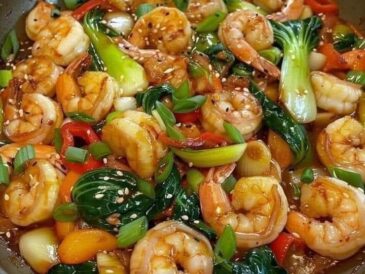
Ancient Roots, Modern Science, and How Two Kitchen Staples Support Whole-Body Health
Walk into almost any traditional kitchen across the world — from Morocco to India, from Italy to China — and you will find two humble ingredients sitting quietly in the corner:
Garlic.
Ginger.
They are not exotic superfoods.
They are not expensive supplements.
They are not trendy powders in luxury jars.
They are roots.
Simple. Strong. Ancient.
For thousands of years, garlic and ginger have been used not only to flavor food — but to support health, digestion, immunity, and vitality. Long before laboratories existed, traditional healers understood something important:
These plants do more than taste good.
Today, modern science has begun to explore why.
This is not about miracle cures.
It is not about magical detoxes.
It is about understanding how two common ingredients influence the body — gently, steadily, intelligently.
Let’s explore how garlic and ginger can support everyday balance — and how to use them wisely.
🌍 A Brief History: Why So Many Cultures Trust Them
Garlic (Allium sativum) and ginger (Zingiber officinale) appear in:
- Traditional Chinese Medicine
- Ayurveda
- Mediterranean cooking traditions
- African herbal systems
- Middle Eastern remedies
Across continents, they were used for:
- Digestive discomfort
- Circulation support
- Cold and flu seasons
- Fatigue
- Inflammation
- Preserving food
When different civilizations discover similar uses independently, it often suggests real physiological effects.
Now we can examine the biology.
🧄 Garlic: The Pungent Protector
Garlic’s power lies in sulfur-containing compounds.
When you crush or chop garlic, an enzyme reaction produces:
Allicin
Allicin is unstable — but highly biologically active.
It contributes to garlic’s:
- Antimicrobial properties
- Circulatory support
- Antioxidant effects
Let’s unpack what that means.
🦠 1. Natural Antimicrobial Support
Garlic has demonstrated activity against:
- Certain bacteria
- Some fungi
- Some viruses
This does not mean garlic replaces antibiotics.
It means garlic contributes to a supportive internal environment.
Historically, it was used during infections long before modern medicine.
Today, research confirms that allicin interferes with microbial growth pathways.
That is powerful for a food.
❤️ 2. Circulation and Heart Health
Garlic may support:
- Healthy blood pressure levels
- Cholesterol balance
- Blood vessel flexibility
Studies suggest garlic may mildly:
- Reduce LDL cholesterol
- Improve endothelial function (the lining of blood vessels)
- Support nitric oxide production
Nitric oxide helps blood vessels relax.
Better vessel relaxation = better circulation.
That supports overall cardiovascular health.
Again — not a substitute for medical treatment.
But a supportive dietary addition.
🧬 3. Antioxidant Defense
Garlic contains antioxidants that:
- Neutralize free radicals
- Reduce oxidative stress
Oxidative stress contributes to:
- Aging
- Inflammation
- Cellular damage
Foods rich in natural antioxidants support long-term health.
🌿 Ginger: The Warming Balancer
Ginger’s active compounds include:
- Gingerol (fresh ginger)
- Shogaol (dried or heated ginger)
- Zingerone
These compounds contribute to ginger’s:
- Anti-inflammatory properties
- Digestive support
- Circulatory stimulation
🫄 1. Digestive Harmony
Ginger supports digestion by:
- Stimulating saliva
- Encouraging gastric emptying
- Reducing nausea
It is widely used for:
- Motion sickness
- Mild digestive discomfort
- Pregnancy-related nausea (under medical guidance)
Ginger helps food move through the stomach more efficiently.
That can reduce bloating and heaviness.
🔥 2. Anti-Inflammatory Support
Chronic inflammation contributes to many modern health issues.
Gingerol has been shown to:
- Inhibit inflammatory pathways
- Reduce certain inflammatory markers
Some people use ginger to support joint comfort.
The effect is gentle — but meaningful over time.
🩸 3. Metabolic Support
Emerging research suggests ginger may:
- Improve insulin sensitivity
- Support blood sugar balance
This does not mean ginger treats diabetes.
It means it may contribute to metabolic stability as part of a balanced diet.
🧄🌿 Why Garlic and Ginger Work So Well Together
Individually, they are strong.
Together, they complement each other.
Garlic supports:
- Immune defense
- Circulation
- Antioxidant protection
Ginger supports:
- Digestion
- Inflammation balance
- Metabolic regulation
Together, they:
- Enhance flavor
- Support multiple systems
- Improve nutrient absorption
They are frequently paired in traditional recipes for a reason.
🧠 Everyday Balance: What Does That Actually Mean?
Click page 2 to continue