The Science, the Myths, the Hidden Triggers — and How to Finally Stop Them
It happens suddenly.
You’re asleep. Relaxed. Drifting through dreams.
And then—
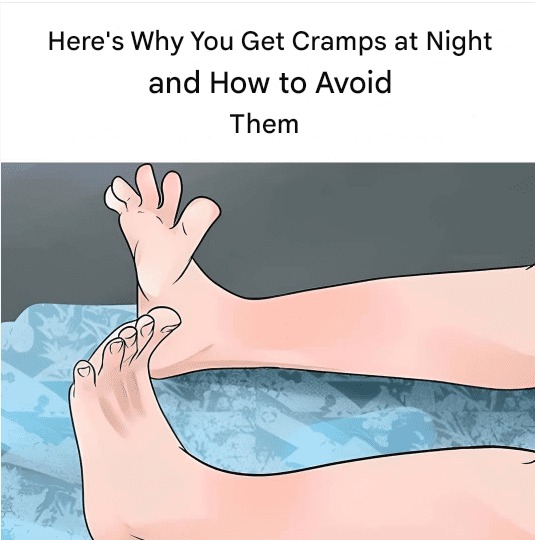
⚡ A sharp, tightening pain shoots through your calf.
Your foot twists.
Your muscle locks.
You gasp and sit upright in the dark.
It feels like your leg has a mind of its own.
Night cramps are one of the most common — and most mysterious — body experiences. They can last seconds or minutes, but they feel eternal. They leave behind soreness. Sometimes fear. Sometimes frustration.
Why does this happen at night?
Why not during the day when we’re moving?
Why does it seem random?
And most importantly — what can we do about it?
Let’s go deep into the science of nocturnal muscle cramps, unpack the common myths, and explore how to reduce them in a smart, evidence-based way.
🧠 What Is a Night Cramp, Exactly?
The official term is:
Nocturnal leg cramp
It is:
A sudden, involuntary contraction of a muscle (usually in the calf, foot, or thigh) that occurs during rest or sleep.
Key characteristics:
- Sudden onset
- Intense tightening
- Hard, knotted muscle
- Temporary immobility
- Residual soreness afterward
It is not the same as:
- Restless leg syndrome
- Muscle spasms from neurological disease
- “Growing pains” in children
Night cramps are mechanical muscle events — not psychological ones.
🔬 What Actually Happens During a Cramp?
Muscles contract when nerve signals trigger them.
Normally, contraction and relaxation are balanced.
During a cramp:
- The muscle receives excessive excitatory nerve signals.
- It contracts forcefully.
- It fails to relax.
- The contraction becomes sustained and painful.
Think of it like a switch that gets stuck in the “ON” position.
The muscle fibers shorten tightly and resist release.
That tension compresses blood vessels and nerves — which creates pain.
🌙 Why Do Cramps Happen at Night?
This is the real question.
Why at night?
There are several overlapping reasons.
1️⃣ Muscle Shortening During Sleep
When you sleep, your body shifts into relaxed positions.
If you sleep with:
- Feet pointed downward
- Knees bent
- Toes flexed
Your calf muscle (gastrocnemius) remains slightly shortened.
Muscles that stay shortened for long periods are more likely to cramp.
It’s like holding a rubber band slightly stretched for hours.
Eventually, it reacts.
2️⃣ Reduced Blood Flow During Rest
At night:
- Heart rate slows
- Circulation reduces
- Muscle movement decreases
During the day, walking and movement help circulate blood and flush metabolic waste.
At night, reduced circulation may allow local irritants to accumulate — increasing cramp risk.
3️⃣ Nerve Hyperexcitability
As we age or experience fatigue, the nerves controlling muscles become more sensitive.
Even small triggers can cause overactivation.
At night, when muscles are relaxed and unengaged, sudden nerve firing can produce a full contraction.
4️⃣ Dehydration
Fluid balance affects muscle cell stability.
When you’re dehydrated:
- Electrolytes shift
- Nerve signaling changes
- Muscle excitability increases
Mild dehydration during sleep can trigger cramps — especially if you:
- Sweated during the day
- Exercised intensely
- Consumed alcohol
- Drank excessive caffeine
5️⃣ Electrolyte Imbalance (But Not the Way You Think)
The common belief is:
“Cramps = low potassium.”
But it’s more complex.
Muscles rely on:
- Sodium
- Potassium
- Calcium
- Magnesium
Imbalance in any of these can increase cramp risk.
However:
In healthy people with balanced diets, severe electrolyte deficiency is uncommon.
Magnesium deficiency may play a role in some individuals — especially:
- Pregnant women
- Older adults
- People with gastrointestinal issues
🦵 Why the Calf?
Most night cramps occur in the calf.
Why?
Because the calf muscle:
- Crosses two joints (knee and ankle)
- Is heavily used during the day
- Shortens easily in sleep position
- Has dense nerve supply
It’s mechanically vulnerable.
The foot arch and toes are also common sites — for similar reasons.
🔥 Common Risk Factors
Certain groups experience night cramps more frequently.
Age Over 50
Muscle mass decreases.
Nerve control becomes less precise.
Pregnancy
Increased weight load + circulation changes.
Long Periods of Standing
Muscle fatigue builds throughout the day.
Sedentary Lifestyle
Reduced circulation and muscle conditioning.
Intense Exercise Without Recovery
Micro-fatigue increases nerve sensitivity.
Alcohol Use
Dehydrates and disrupts electrolyte balance.
Certain Medications
Some drugs may increase cramp risk.
💊 Medications That May Contribute
Examples include:
- Diuretics
- Some blood pressure medications
- Certain cholesterol drugs
- Some asthma medications
Click page 2 to continue