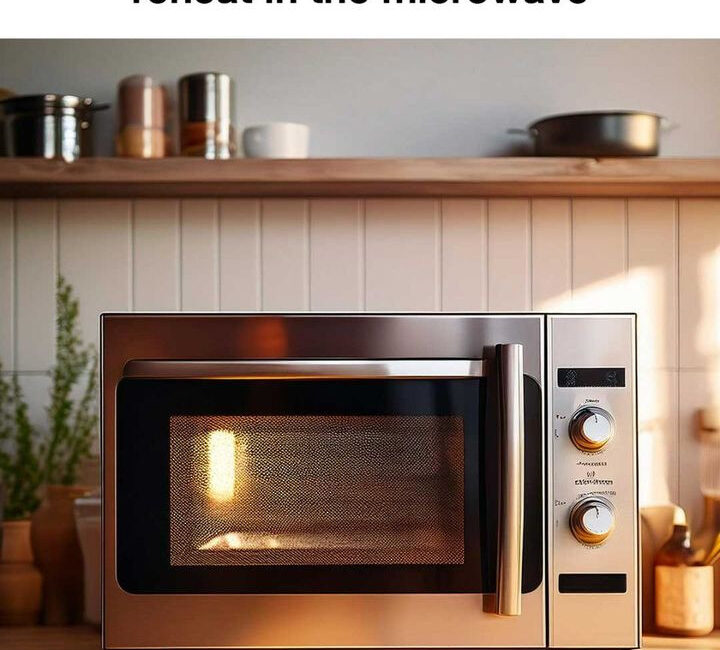
The microwave is one of the most useful inventions in the modern kitchen. It saves time, reduces effort, and turns leftovers into meals in minutes. For busy lives, it feels almost essential. Yet despite its convenience, the microwave has limits—very real ones that many people ignore without realizing the consequences.
Some foods don’t just reheat poorly in the microwave. They change chemically, lose nutritional value, heat unevenly, or become risky to eat. Others don’t become dangerous in a dramatic way, but they quietly turn into something your body doesn’t respond to well—causing digestive problems, inflammation, or bacterial growth.
The problem is not the microwave itself. The problem is how microwaves heat food, and how certain foods react to that kind of heating.
This article explains, in depth and without exaggeration, 11 foods you should never reheat in the microwave, why each one is problematic, what actually happens inside the food, and what safer alternatives exist. This is not fear-based advice. It’s about understanding how heat, structure, and biology interact.
How Microwaves Actually Heat Food (Why This Matters)
Microwaves heat food by exciting water molecules. Instead of heating from the outside in (like an oven or pan), microwaves create rapid molecular movement inside the food, often unevenly.
This leads to:
- Hot spots and cold spots
- Inconsistent temperatures
- Incomplete bacterial kill zones
- Structural breakdown in delicate foods
For some foods, this is harmless. For others, it’s exactly what makes reheating unsafe or unhealthy.
1. Rice
Rice is one of the most misunderstood leftovers.
The danger with reheated rice is not the microwave itself—it’s bacteria that can survive cooking. Raw rice can contain Bacillus cereus, a bacterium that produces heat-resistant spores. Cooking rice kills the bacteria, but not always the spores.
If cooked rice is left at room temperature too long, those spores can multiply and produce toxins. Reheating in the microwave may not heat the rice evenly enough to destroy them.
Microwaved rice often heats unevenly, leaving parts lukewarm—perfect conditions for bacteria survival.
Why it’s risky:
- Uneven heating
- Heat-resistant toxins
- High moisture content
Safer option:
Only reheat rice once, make sure it was refrigerated promptly, and heat thoroughly on the stovetop with added moisture, stirring constantly.
2. Chicken
Reheating chicken in the microwave is a classic mistake.
Chicken contains dense protein structures that react poorly to microwave heating. Microwaves can cause proteins to denature unevenly, changing texture and digestibility. This is why reheated chicken often becomes rubbery or dry.
More importantly, chicken is one of the most common carriers of foodborne bacteria. Uneven reheating increases the risk of cold spots where bacteria survive.
Why it’s problematic:
- Uneven internal heating
- Protein structure breakdown
- Higher risk of bacterial survival
Safer option:
Reheat chicken gently in a pan or oven until evenly hot throughout.
3. Eggs (Especially Hard-Boiled or Scrambled)
Eggs and microwaves are a dangerous combination.
Whole eggs—especially hard-boiled ones—can explode when reheated in the microwave. Steam builds up inside the egg faster than it can escape, causing a sudden rupture.
Scrambled eggs don’t explode, but they reheat unevenly and can harbor bacteria if not heated properly. Reheated eggs also undergo protein changes that can make them harder to digest for some people.
Why you shouldn’t microwave them:
- Explosion risk
- Uneven heating
- Texture and digestion issues
Safer option:
Eat eggs fresh, or reheat gently in a pan at low heat.
4. Fish and Seafood
Fish is extremely sensitive to reheating.
Microwaves heat fish unevenly and intensify its natural oils, leading to:
- Strong, unpleasant odors
- Rubberized texture
- Breakdown of omega-3 fatty acids
From a safety standpoint, seafood reheated unevenly can be risky, especially shellfish, which spoil quickly.
Why it’s a bad idea:
- Nutrient degradation
- Texture destruction
- Strong odor release
- Bacterial risk
Safer option:
Reheat fish slowly in the oven or eat it cold in salads or wraps.
5. Mushrooms
Mushrooms are one of the foods most affected by reheating.
They contain delicate proteins that break down when reheated improperly. Microwaving mushrooms after cooking can cause:
- Loss of nutrients
- Changes in protein structure
- Digestive discomfort for some people
While not usually dangerous in a food poisoning sense, reheated mushrooms are known to cause stomach upset in sensitive individuals.
Why to avoid microwaving them:
- Protein degradation
- Digestive strain
- Nutrient loss
Safer option:
Eat cooked mushrooms fresh or reheat gently on the stovetop.
6. Potatoes
Cooked potatoes stored improperly and reheated in the microwave can be risky.
When potatoes are left at room temperature, they can harbor Clostridium botulinum—the bacterium responsible for botulism. While rare, this risk increases when potatoes are wrapped tightly (like in foil) and not refrigerated promptly.
Microwaves may not heat potatoes evenly enough to eliminate risk if storage was improper.
Why potatoes can be dangerous:
- Risk of bacterial toxin
- Uneven reheating
- High starch content traps heat inconsistently
Safer option:
Reheat potatoes in the oven or pan, and only if they were stored properly in the refrigerator.
7. Spinach and Leafy Greens
Spinach contains nitrates, which are harmless in fresh form. However, reheating spinach—especially in a microwave—can convert nitrates into nitrites and nitrosamines, compounds associated with health risks when consumed in excess.
This is especially relevant for babies and young children, but it applies to adults as well.
Why microwaving spinach is a bad idea:
- Chemical transformation of nitrates
- Uneven heating
- Reduced nutritional value
Safer option:
Eat spinach freshly cooked or cold; avoid reheating entirely.
8. Processed Meats (Sausages, Hot Dogs, Deli Meats)
Processed meats already contain preservatives and nitrates. Microwaving them can further promote the formation of nitrosamines, which are linked to long-term health risks.
Additionally, microwaving often causes fats to oxidize, creating inflammatory compounds.
Why to avoid microwaving them:
- Increased formation of harmful compounds
- Fat oxidation
- Reduced nutritional quality
Safer option:
Heat processed meats gently on a pan or avoid reheating altogether.
9. Breast Milk and Baby Food
This is one of the most important warnings.
Microwaving breast milk or baby food creates hot spots that can burn a baby’s mouth, even if the container feels cool. It also destroys immune-protective components in breast milk.
Why microwaves are unsafe here:
- Uneven heating
- Nutrient destruction
- Burn risk
Safer option:
Warm breast milk and baby food using a water bath.
10. Cream-Based Sauces and Soups
Cream, milk, and cheese-based dishes separate easily in the microwave.
Microwaving causes:
- Fat separation
- Curdling
- Uneven heating
- Texture breakdown
While not usually dangerous, reheated cream-based foods often become unpleasant and harder to digest.
Why microwaving ruins them:
- Emulsion breakdown
- Inconsistent heating
Safer option:
Reheat slowly on the stovetop while stirring.
11. Leftovers Reheated More Than Once
This final point matters more than any specific food.
Every reheating cycle:
- Increases bacterial risk
- Degrades nutrients
- Changes food structure
Microwaves amplify this because of uneven heating. Reheating leftovers multiple times is one of the most common causes of food-related illness at home.
Why it’s dangerous:
- Repeated temperature cycling
- Increased microbial growth
- Nutritional decline
Safer rule:
Reheat once. Eat. Discard leftovers that have already been reheated.
Why the Microwave Gets Blamed (But Isn’t the Villain)
The microwave is not evil. It is a tool with limitations.
It excels at:
- Heating liquids
- Simple meals
- Single-portion reheating with moisture
It fails when:
- Foods are dense
- Foods are protein-rich
- Foods require even heat
- Foods are already microbiologically sensitive
Understanding these limits is what keeps you safe.
The Bigger Picture: Food Safety Is About Respecting Structure
Food isn’t just calories. It has structure, chemistry, and biology. When reheated improperly, that structure breaks down in ways that affect digestion, safety, and health.
The microwave doesn’t care what food you put in it. Your body does.
Final Takeaway
Reheating food is not inherently bad—but how and what you reheat matters more than most people realize.
Avoid microwaving:
- Rice
- Chicken
- Eggs
- Fish
- Mushrooms
- Potatoes
- Spinach
- Processed meats
- Baby food
- Cream-based dishes
- Any leftovers more than once
Use the microwave wisely, not blindly.