The Secret to a Snow-White, Cloud-Like Cake That Melts in Your Mouth
Some cakes impress with layers, colors, and decorations.
This one impresses the moment your fork goes in.
Light.
Bright white.
Incredibly soft.
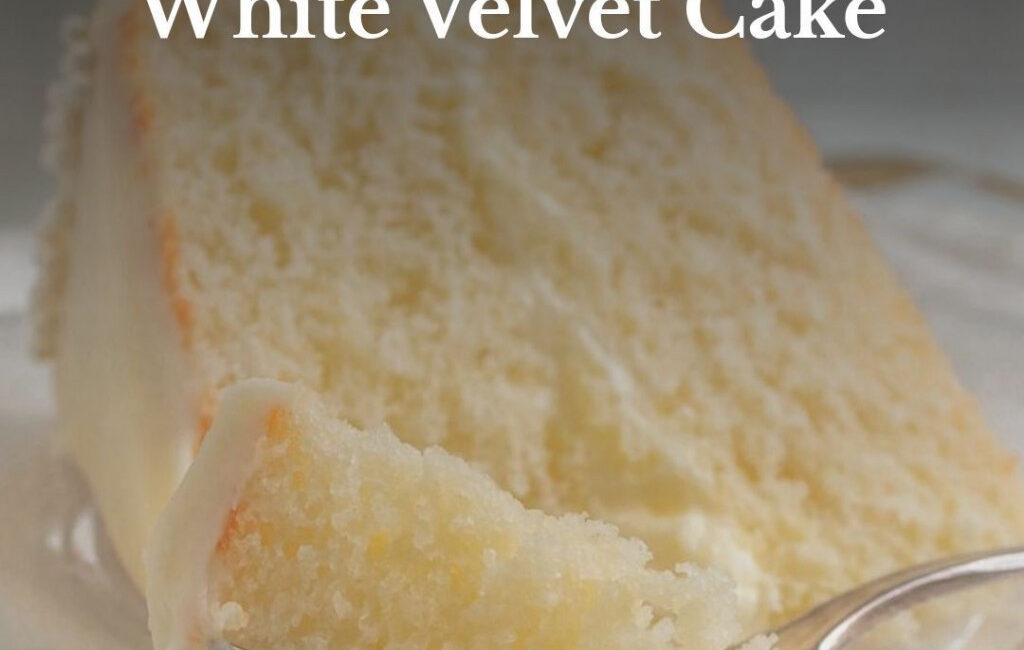
This is the kind of cake people describe as velvet not because it’s trendy—but because that’s the only word that fits. The crumb is so fine it almost dissolves on your tongue. The color is pure, clean, and luminous. And the flavor? Gentle, elegant, and perfectly balanced.
This is not a dense pound cake.
It’s not a dry sponge.
It’s something in between—airy, tender, and luxurious.
Let’s break down what makes this cake special, why most white cakes fail, and how to get that flawless velvet texture at home.
What Makes a Cake “Velvet Soft”?
A velvet-soft cake has three defining qualities:
- An ultra-fine crumb
- High moisture without heaviness
- Elastic softness (it springs back when touched)
This texture doesn’t happen by accident. It comes from precision, not complexity.
The biggest mistake people make with white cakes is treating them like yellow cakes. They are not the same.
Why White Cakes Are Harder Than They Look
White cakes are unforgiving.
There’s no yolk richness to hide dryness.
No cocoa to mask flaws.
No butter color to warm the crumb.
Everything shows:
- Overbaking → dryness
- Overmixing → toughness
- Wrong fat → yellow tint
- Wrong liquid → coarse texture
A true bright white cake requires restraint and balance.
The Key Secrets Behind the Bright White Color
1. Egg Whites Only
Egg yolks add richness—but also color.
This cake uses only egg whites, whipped or gently incorporated, to keep the crumb pale and light.
2. Clear Vanilla (Optional but Powerful)
Traditional vanilla extract is brown.
Clear vanilla keeps the cake snow-white without sacrificing aroma.
3. The Right Fat
Butter adds flavor but also color.
This cake balances butter or uses part neutral oil to maintain whiteness and moisture.
The Ingredients (Simple, But Precise)
This recipe looks ordinary on paper. The magic is in the ratios.
- 2 ½ cups cake flour (not all-purpose)
- 1 ¾ cups sugar
- 1 tablespoon baking powder
- ½ teaspoon salt
- ¾ cup unsalted butter, very soft (or half butter / half neutral oil)
- 1 cup milk (room temperature)
- 5 large egg whites (room temperature)
- 1 tablespoon clear vanilla extract
Cake flour is essential. It has less protein, which means less gluten—and that’s what creates the velvet texture.
The Mixing Method That Changes Everything
This cake uses a reverse creaming method, which is the real secret most people don’t know.
Step 1: Coat the Flour in Fat
Instead of creaming butter and sugar first, you mix:
Click page 2 to continue