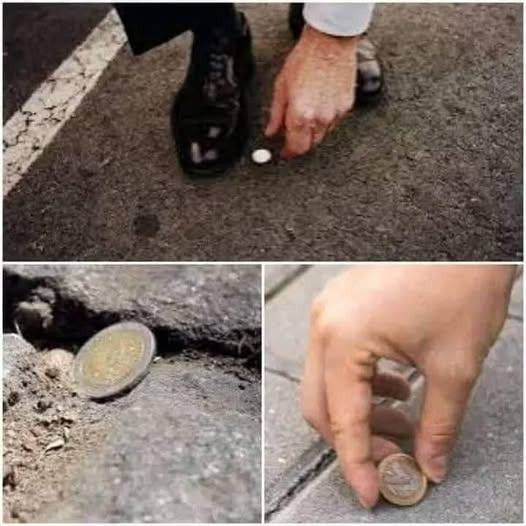
You’re walking. Mind somewhere else.
Then—there it is. A coin on the ground.
Most people hesitate for half a second.
Do I pick it up?
Is it dirty?
Is it even worth it?
And yet, something about finding a coin feels… different. Slightly meaningful. As if the moment itself is trying to say something, even if you can’t quite put it into words.
Across cultures, centuries, and belief systems, finding a coin has rarely been considered random. Not because the coin is special—but because chance, attention, and timing collided in a very human way.
Let’s unpack what finding a coin has traditionally been thought to mean, why the feeling persists today, and what it might actually reveal about the moment you found it.
The Oldest Interpretation: A Sign of Luck
The most common belief is also the oldest:
finding a coin means luck is coming.
But “luck” didn’t originally mean sudden wealth. In many traditions, it meant:
- Protection
- Favorable timing
- A small blessing
- Being “noticed” by fate
Coins were once symbols of survival. Finding one could mean food, shelter, or safety. Over time, that survival relief turned into symbolic luck.
Even today, people instinctively smile when they find a coin—not because of its value, but because it feels like a gift.
Heads or Tails: Why People Care Which Side Is Up
Many people pay attention to whether the coin is heads up or tails up.
- Heads up is often seen as good luck, success, or a positive sign
- Tails up is sometimes interpreted as a warning, reflection, or lesson
This belief likely comes from decision-making rituals—coin tosses were used to let “fate decide.” Seeing a result without asking the question feels like fate speaking unprompted.
Psychologically, it’s not about the coin. It’s about meaning emerging without effort.
A Message at the Right Moment
One reason finding a coin feels meaningful is timing.
People often notice coins when:
- They’re distracted or lost in thought
- They’re stressed or unsure
- They’re walking through a transition (emotionally or literally)
In those moments, the coin interrupts autopilot.
It grounds you.
It pulls your attention back to the present.
It says: Look. You’re here.
That interruption alone can feel like a sign.
The Idea of Being “Guided” or Protected
In folklore and spiritual traditions, coins are sometimes interpreted as:
- A sign you’re not alone
- A reminder of protection
- A nudge that you’re on the right path
Not because coins have power—but because humans naturally look for reassurance during uncertainty.
Finding something unexpected but harmless feels like confirmation that the world isn’t entirely hostile.
Why You Remember Finding Coins—but Forget Everything Else
You pass thousands of objects on the ground and remember almost none of them.
You remember coins because:
- They’re familiar
- They have value
- They invite action (pick up or ignore)
This creates a small internal decision, and decisions create memory.
Over time, those memories stack:
“I found a coin that day—and things turned out okay.”
Click page 2 to continue