The Real Reason Behind This Annoying (and Often Misunderstood) Problem
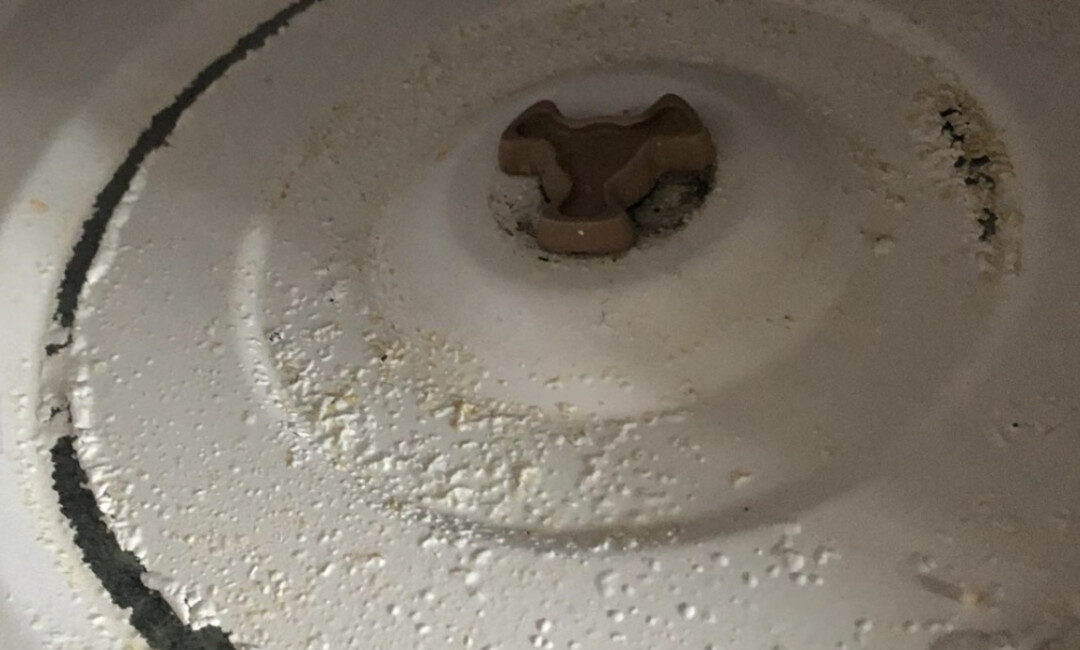
You open your microwave one day and notice something unsettling. The smooth interior walls—the ones you never really paid attention to—are no longer smooth. There are bubbles under the surface. Patches are peeling. Maybe there’s discoloration. Maybe even rust.
It feels wrong. Slightly alarming. And the first question that pops into your head is usually the same:
Is this dangerous?
Closely followed by: What caused this, and did I do something wrong?
The short answer is: this problem is common, it has very specific causes, and it’s rarely random. The long answer—let’s take our time with it.
First, What Is the Inside of a Microwave Actually Made Of?
The interior of a microwave is not bare metal. If it were, sparks would fly immediately.
Instead, the inside cavity is typically made of steel coated with a protective enamel or epoxy-based paint. This coating serves several crucial purposes:
- It prevents corrosion (steel + moisture = rust)
- It reflects microwave energy efficiently
- It creates a smooth, non-porous surface that’s easy to clean
- It insulates the metal from food splatter, steam, and acids
When this coating is intact, the microwave cavity is stable and safe.
When it starts bubbling or peeling, it means the coating has failed.
The real question is why.
The Main Culprit: Trapped Moisture + Heat Stress
The most common cause of bubbling and peeling inside a microwave is moisture getting underneath the coating.
Here’s how that happens.
Microwaves constantly deal with:
- Steam from food
- Condensation from reheating liquids
- Rapid temperature changes
Over time, especially if cleaning habits are rough or inconsistent, tiny cracks form in the protective coating. These cracks may be invisible at first.
Once moisture gets underneath:
- Heat causes it to expand
- Steam pressure pushes the coating upward
- Bubbles form
- Eventually, the coating lifts and peels
What you’re seeing isn’t the paint reacting to heat—it’s steam pressure trapped below the surface.
Aggressive Cleaning: A Surprisingly Common Trigger
Many people unknowingly damage their microwave interiors while trying to keep them clean.
Common mistakes include:
- Scrubbing with abrasive sponges or steel wool
- Using harsh chemical cleaners not designed for enamel
- Scraping dried food with knives or metal tools
These actions create micro-scratches. At first, nothing looks wrong. But those scratches become entry points for moisture.
Weeks or months later, the bubbling appears—and it feels sudden, even though the damage was gradual.
Acidic Foods Quietly Accelerate the Damage
Foods like:
- Tomato sauce
- Lemon-based dishes
- Vinegar-heavy meals
- Spicy or fermented foods
release acidic steam when heated.
If splatters aren’t cleaned promptly, acid sits on the coating and slowly weakens it. Over time, the enamel loses its bond with the metal underneath.
This is why bubbling often appears in the same spots food regularly splashes—especially near the back wall or ceiling of the microwave.
Overheating and Empty Running: The Hidden Stressor
Microwaves are designed to absorb energy into food.
When there’s nothing (or very little) inside, that energy has nowhere to go.
Running a microwave empty—or repeatedly reheating very small portions—causes:
- Localized overheating
- Stress on the interior coating
- Weakening of the enamel-to-metal bond
This doesn’t cause immediate damage, but over time it contributes to coating failure.
Age Matters More Than People Think
Even with perfect care, the interior coating of a microwave is not permanent.
Over years of use:
- Heat cycles fatigue the material
- Minor scratches accumulate
- Steam exposure becomes constant
Eventually, the coating simply reaches the end of its lifespan.
If your microwave is older and bubbling is widespread rather than localized, age is likely the primary factor.
Why Bubbling Turns Into Peeling (and Sometimes Rust)
Click page 2 for more