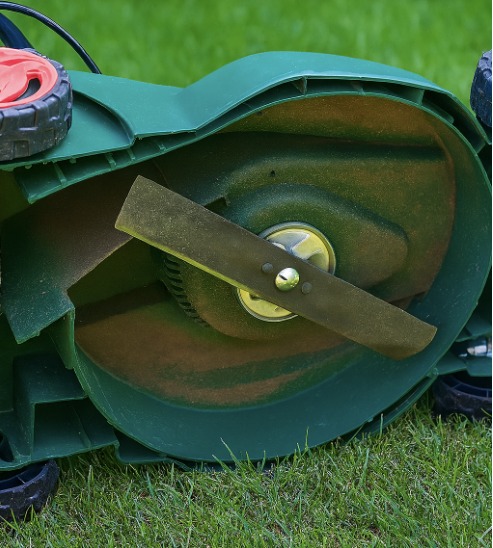
Maintaining a pristine lawn requires more than just watering, fertilizing, and occasional trimming. One of the most overlooked yet critical aspects of lawn care is ensuring that your lawn mower blades are sharp and efficient. A dull blade can lead to uneven cuts, increased stress on your mower’s engine, and even damage to your grass. In this extensive guide, we will explore the ultimate effortless trick for sharpening your lawn mower blades, covering everything from safety precautions and essential tools to step-by-step techniques and advanced maintenance tips that will make your mowing experience smoother, faster, and more effective.
Understanding the Importance of Sharp Lawn Mower Blades
Lawn mower blades are the cutting edge of your lawn care routine—literally. A sharp blade ensures that grass is cleanly cut rather than torn, reducing the likelihood of disease and promoting faster growth. Dull blades, on the other hand, rip and shred the grass, leaving ragged edges that not only look unsightly but also create stress points where pests and pathogens can invade.
Beyond aesthetics and plant health, sharp blades improve your mower’s efficiency. Dull blades force the mower to work harder, putting extra strain on the engine and increasing fuel consumption. Over time, this can lead to premature engine wear and costly repairs. By keeping your blades sharp, you maintain optimal cutting performance, extend the lifespan of your mower, and achieve a consistently lush, manicured lawn.
Signs That Your Lawn Mower Blades Need Sharpening
Before diving into the sharpening process, it’s essential to recognize when your mower blades are no longer performing optimally. Common indicators include:
- Uneven Cuts – If you notice patches of taller grass or uneven lines after mowing, it’s a clear sign that your blades are dull.
- Torn Grass Edges – Healthy blades produce clean cuts. Torn or shredded grass edges indicate dullness.
- Increased Effort – A mower that struggles to cut through your lawn or feels sluggish may have blades that are not sharp enough.
- Vibrations – Excessive vibration during mowing often signals blade imbalance, which can occur due to nicks, bends, or dull edges.
- Brown Tips on Grass – Torn or bruised grass will often turn brown at the tips, a direct result of dull blades.
Recognizing these signs early is key to maintaining both the health of your lawn and the performance of your mower.
Essential Tools for Sharpening Lawn Mower Blades
Sharpening blades doesn’t have to be complicated. With the right tools, the process can be effortless and highly effective. Essential tools include:
- Bench Vise: Holds the blade securely while you work.
- Blade Balancer: Ensures that the blade remains balanced, preventing vibrations.
- Metal File: Ideal for minor touch-ups and manual sharpening.
- Angle Grinder: For faster, more efficient blade sharpening.
- Protective Gear: Safety glasses, gloves, and steel-toed boots to prevent injuries.
- Wrenches and Socket Set: Required for removing and reinstalling the mower blade.
Having these tools on hand ensures that the sharpening process is smooth, safe, and effective.
Step-by-Step Guide to Effortless Lawn Mower Blade Sharpening
Sharpening lawn mower blades may seem daunting, but following these steps will make it a straightforward and efficient task:
Step 1: Safety First
Before removing the mower blade, disconnect the spark plug wire to prevent accidental starts. Wear protective gloves and eyewear to shield yourself from metal shards and debris.
Step 2: Remove the Blade
Use a wrench or socket set to carefully remove the bolt securing the blade. Take note of the blade’s orientation to ensure it is reinstalled correctly.
Step 3: Clean the Blade
Remove any dirt, grass, or rust buildup using a wire brush. A clean blade is easier to sharpen and ensures a smoother cut.
Step 4: Secure the Blade
Clamp the blade in a bench vise to hold it steady while you work. This prevents slips and ensures precision.
Step 5: Sharpen the Blade
There are two primary methods:
- Manual Sharpening with a File: Use a metal file to sharpen the edge of the blade. Maintain the original angle, typically around 30 degrees, and file in one direction. Consistency is key.
- Electric Sharpening with an Angle Grinder: For a quicker approach, use an angle grinder. Move the grinder along the edge evenly, ensuring you maintain the correct angle.
Step 6: Balance the Blade
After sharpening, it’s critical to check the blade’s balance. An unbalanced blade can cause vibrations and uneven cutting. Use a blade balancer or hang the blade on a nail to see if it tilts. If it does, remove a small amount of metal from the heavier side until it balances perfectly.
Step 7: Reinstall the Blade
Once sharpened and balanced, reinstall the blade in its original orientation. Tighten the bolt securely, reconnect the spark plug, and your mower is ready for action.
Advanced Blade Maintenance Tips
To maximize efficiency and longevity, consider these advanced tips:
- Sharpen Regularly – Depending on usage, sharpen blades every 20-25 hours of mowing or at least twice a season.
- Inspect for Damage – Look for cracks, bends, or deep nicks. Replace blades that are significantly damaged.
- Maintain a Sharp Edge During the Season – Lightly file the blades mid-season to maintain sharpness without full sharpening.
- Store Properly – Keep your mower in a dry, protected area to prevent rust and corrosion on the blades.
- Use Quality Fuel and Oil – Clean engine performance indirectly supports blade efficiency by providing consistent cutting power.
- Avoid Hard Objects – Rocks, thick roots, or metal debris can quickly dull or damage blades. Mow carefully.
Benefits of a Sharp Lawn Mower Blade
Investing time in blade maintenance offers a range of tangible benefits:
Click page 2 for more