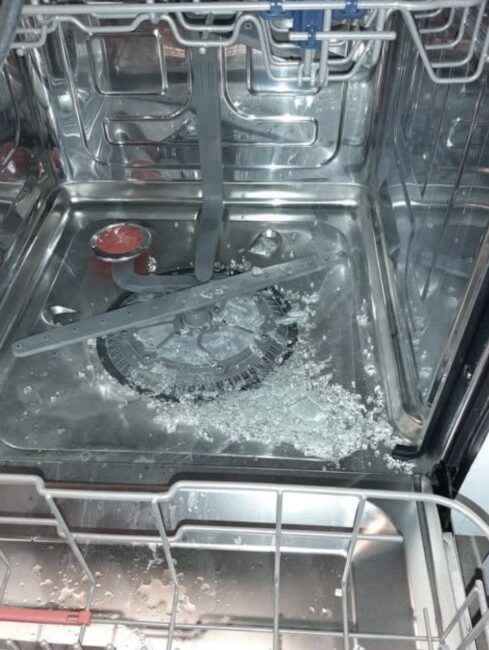
In today’s busy kitchens, the dishwasher is often seen as a modern marvel. It saves time, reduces effort, and promises sparkling clean dishes with minimal work. However, despite its convenience, not everything belongs in a dishwasher. Many homeowners unknowingly damage some of their most valuable kitchen items by putting them in the dishwasher, leading to irreversible damage, warping, discoloration, or even breakage. Understanding which items to avoid putting in a dishwasher is crucial for prolonging the life of your kitchenware and protecting your culinary investments.
This article is a comprehensive guide to protecting your kitchen treasures, detailing the materials and items that are vulnerable in dishwashers, explaining why, and offering alternatives for safe cleaning.
Why Dishwashers Can Be Harmful
Dishwashers use high heat, strong detergents, and powerful water jets, which can cause damage to certain materials. While the convenience of dishwasher cleaning is undeniable, the combination of these factors can:
- Warp delicate materials such as wood or plastic.
- Fade or damage finishes on cookware, glassware, and utensils.
- Cause corrosion on certain metals, especially if exposed to salty or acidic residues.
- Crack or chip fragile items like ceramic or fine glass.
- Dull sharp edges on knives and specialty blades.
Understanding the risks associated with dishwashers is the first step in safeguarding your kitchen treasures.
1. Wooden Utensils and Cutting Boards
Wooden kitchen items are notoriously sensitive to water and heat. While they might look sturdy, dishwashers are particularly harsh on wood.
Why You Should Avoid It
- Warpage and Cracking: High heat causes wood to expand and contract, resulting in cracks.
- Loss of Natural Oils: Detergents strip wood of its natural oils, leaving utensils dry, brittle, and prone to splitting.
- Bacterial Growth Risk: Deep cracks in wooden items can harbor bacteria over time, even after dishwasher cleaning.
Safe Cleaning Alternatives
- Hand wash wooden cutting boards and utensils using mild soap and warm water.
- Dry immediately with a soft towel.
- Occasionally treat with mineral oil or food-safe wood conditioner to maintain moisture and longevity.
This practice ensures that your wooden spoons, spatulas, and cutting boards remain durable and beautiful for years.
2. Sharp Knives
High-quality knives are a cornerstone of any kitchen. While it might be tempting to toss them in the dishwasher, this is one of the most common mistakes in kitchen care.
Why You Should Avoid It
- Blade Dulling: Dishwasher jets cause friction with other utensils, dulling edges quickly.
- Corrosion Risk: Acidic residues, especially from tomatoes or citrus, can corrode steel blades.
- Handle Damage: Heat and detergents can loosen wooden handles or weaken bonded materials.
Safe Cleaning Alternatives
- Wash knives immediately after use with warm, soapy water.
- Dry thoroughly to prevent rust or corrosion.
- Store knives in a knife block, magnetic strip, or blade guard to maintain sharpness.
Investing time in proper knife care ensures your blades stay sharp, functional, and safe.
3. Nonstick Cookware
Nonstick cookware, known for its convenience, is surprisingly vulnerable in a dishwasher.
Why You Should Avoid It
- Coating Degradation: High heat and harsh detergents can damage the nonstick surface, leading to peeling and reduced effectiveness.
- Shortened Lifespan: Even minor abrasions or chemical exposure can shorten the usable life of your pans.
Safe Cleaning Alternatives
- Hand wash with a soft sponge and mild dish soap.
- Avoid metal utensils that could scratch the surface.
- Store pans carefully to prevent scratching or chipping.
Nonstick pans are designed for ease, but they require gentle care to maintain performance.
4. Cast Iron Cookware
Cast iron is prized for its durability and heat retention, but dishwashers are its worst enemy.
Why You Should Avoid It
- Loss of Seasoning: Dishwashers strip away the protective oil layer that prevents rust and maintains a nonstick surface.
- Rust Formation: Cast iron exposed to water and detergent can rust quickly.
Safe Cleaning Alternatives
- Rinse with warm water immediately after cooking.
- Use a stiff brush or salt scrub to remove stuck-on food.
- Dry thoroughly and apply a thin layer of oil for seasoning maintenance.
Proper care ensures cast iron remains a reliable kitchen companion for decades.
5. Fine China and Hand-Painted Ceramics
Luxury dinnerware can be destroyed in a single dishwasher cycle. Items with delicate patterns or metallic accents are particularly at risk.
Why You Should Avoid It
- Fading and Peeling: Detergents and high heat can erode painted designs or gilded edges.
- Cracking or Chipping: Rapid temperature changes and high-pressure jets can crack delicate porcelain.
Safe Cleaning Alternatives
- Wash with warm water and mild dish soap using a soft sponge.
- Avoid stacking fine china to prevent chips.
- Handle carefully to preserve intricate patterns and gilding.
Maintaining the appearance and value of fine china is worth the extra effort.
6. Copper and Brass Items
Copper and brass are known for their stunning finish and premium look, but they are highly reactive metals.
Why You Should Avoid It
- Tarnishing: Dishwasher detergents accelerate oxidation, leading to dull surfaces.
- Discoloration: Exposure to high heat and strong detergents can permanently alter metal color.
Safe Cleaning Alternatives
- Hand wash with warm water and mild dish soap.
- Dry immediately with a soft cloth.
- Polish periodically with metal-safe polish to maintain shine.
Proper maintenance ensures copper and brass items remain elegant and functional.
7. Insulated Mugs and Thermoses
Double-walled or vacuum-insulated bottles are convenient, but dishwashers can compromise their performance.
Why You Should Avoid It
- Vacuum Seal Damage: High heat can break the vacuum seal, reducing insulation efficiency.
- Corrosion Risk: Certain detergents can corrode internal metal surfaces.
Safe Cleaning Alternatives
- Wash by hand with warm water and bottle brush.
- Use baking soda or vinegar for odor removal.
- Ensure thorough drying before storing to prevent mold and bacteria growth.
Handwashing keeps your insulated bottles performing optimally for hot and cold beverages.
8. Plastic Containers Not Labeled Dishwasher Safe
Click page 2 for more