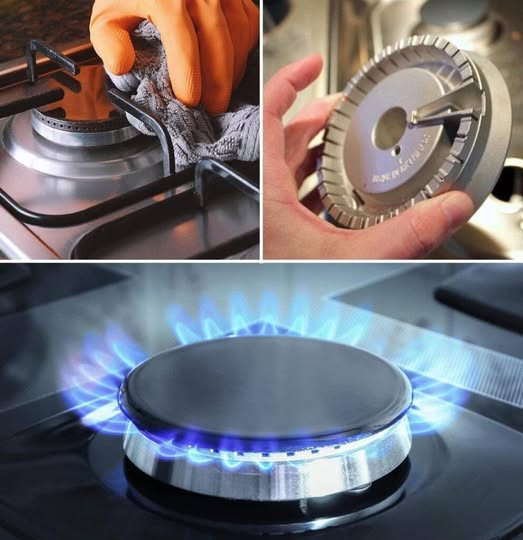
Cooking is one of the fundamental aspects of everyday life, yet many homeowners struggle with an often overlooked problem that drastically affects their kitchen efficiency: clogging in their cooker. Clogs, whether in gas stoves, electric cookers, or induction cooktops, reduce performance, increase cooking times, and even escalate energy bills. Understanding how to prevent and remove these clogs is critical—not only for better cooking outcomes but also for saving money, extending appliance life, and maintaining a safe kitchen environment.
In this comprehensive guide, we’ll explore the causes of clogging, step-by-step cleaning methods, preventative strategies, and advanced tips for optimizing cooker efficiency. By the end of this article, you will be fully equipped to transform your cooking appliances into high-efficiency machines, while keeping your kitchen safe, clean, and cost-effective.
Understanding Clogging in Cookers
Before we discuss how to remove clogs, it’s important to understand why clogging happens in the first place. Most cooker clogs stem from a combination of grease, food debris, mineral deposits, and environmental factors.
1. Food Residue Accumulation
One of the most common causes of clogging is the accumulation of food particles in critical parts of your cooker. When spills, crumbs, or liquids seep into burners, gas jets, or electric coils, they can harden over time. This reduces the flow of gas or electricity, making the cooker less efficient.
2. Grease and Oil Buildup
Grease and cooking oils often leave a sticky residue. In gas stoves, this can block the orifices that release gas, causing uneven flames. In electric cookers, grease can coat heating elements, slowing heat transfer and prolonging cooking times.
3. Mineral Deposits
If you use hard water in your kitchen, mineral deposits can accumulate in electric cookers or steam ovens. Calcium and magnesium deposits may clog vents, filters, and pipes, affecting both performance and longevity.
4. Environmental Contaminants
Dust, soot, and airborne particles can settle into your cooker over time, particularly in less ventilated kitchens. These particles combine with moisture and grease to form stubborn blockages.
Signs Your Cooker Is Clogged
Recognizing the early signs of clogging is essential. Ignoring these signs can lead to higher energy consumption, longer cooking times, and potential safety hazards.
- Uneven heating or flames
- Reduced cooking efficiency
- Strange odors during cooking
- Hissing or sputtering flames in gas cookers
- Frequent tripping of circuit breakers in electric cookers
- Water or steam leakage in steam cookers
Identifying these issues early allows you to take action before serious damage occurs.
Step-by-Step Guide to Removing Clogs
Cleaning and unclogging your cooker requires precision, patience, and a systematic approach. Here’s how to do it effectively:
1. Preparation and Safety Measures
- Turn off your cooker and unplug it if electric.
- For gas cookers, turn off the gas supply at the main valve.
- Allow the cooker to cool completely to avoid burns or other accidents.
- Gather cleaning materials: a soft brush, microfiber cloths, vinegar, baking soda, mild detergent, and a thin pipe cleaner or toothpick for detailed cleaning.
2. Disassembling Removable Parts
Most modern cookers have removable burners, grates, knobs, and drip trays. Carefully remove these parts to access the areas where clogs accumulate. Keep track of all screws and components to avoid misplacement.
3. Cleaning Gas Burners
Gas burners often clog due to food particles and grease. Follow these steps:
- Soak burner caps and grates in warm water mixed with mild detergent.
- Use a soft brush to scrub away residue. Avoid metal brushes that may scratch surfaces.
- Clean burner orifices using a toothpick or thin wire, ensuring not to enlarge the hole.
- Rinse thoroughly and allow parts to dry completely before reassembling.
4. Clearing Electric Cookers
Electric cookers can accumulate mineral deposits and grease on heating elements:
- Remove coil elements if possible.
- Wipe elements with a cloth soaked in a solution of vinegar and water.
- Use baking soda paste for stubborn deposits. Apply, let sit for 15-20 minutes, and wipe away.
- Clean drip pans and trays to prevent future clogs.
5. Cleaning Induction and Ceramic Cooktops
Induction cookers and ceramic surfaces can be prone to residue buildup:
- Use a soft, damp cloth to wipe surfaces after every use.
- For hardened spills, apply a scraper gently at a 45-degree angle.
- Avoid abrasive pads that can scratch surfaces.
- Clean edges and vents where dust and debris accumulate.
6. Addressing Steam Cookers and Pressure Cookers
Steam and pressure cookers are vulnerable to mineral deposits:
- Remove filters and vents. Soak in vinegar or lemon water to dissolve minerals.
- Check the gasket for residue or deformation; clean thoroughly.
- Ensure no steam vents are blocked before reassembly.
Preventing Future Clogs
After cleaning, the most important step is prevention. Proper maintenance ensures your cooker remains efficient and minimizes repair costs.
1. Regular Cleaning Routine
- Wipe surfaces after every cooking session.
- Weekly deep-clean burners, coils, and trays.
- Monthly inspection of gas orifices and vents.
2. Use of Protective Accessories
- Silicone mats under burners can catch spills.
- Drip trays prevent food from reaching hidden components.
- Use strainers in pots to reduce solid residues in cookers with built-in water reservoirs.
3. Mindful Cooking Practices
- Avoid excessive oil splatter by using lids while frying.
- Cook over appropriate heat to prevent overflow and burnt residue.
- Quickly clean spills before they harden.
4. Water Filtration
If you have hard water, use filtered water to reduce mineral buildup in electric or steam cookers. This prolongs appliance life and reduces energy waste.
Advanced Techniques for Stubborn Clogs
Click page 2 for more