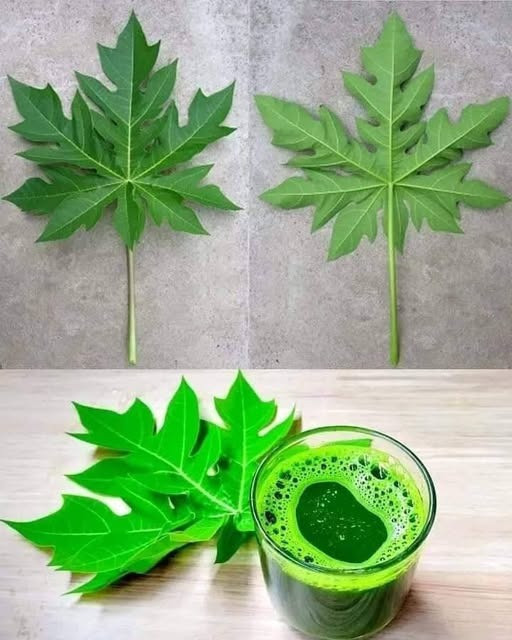
Papaya is a beloved tropical fruit, celebrated worldwide for its sweet, succulent flavor, vibrant color, and impressive nutritional profile. While the fruit itself receives a lot of attention, the leaves of the papaya tree are often overlooked. This oversight is unfortunate because papaya leaves are a treasure trove of nutrients, bioactive compounds, and health-promoting properties that can have profound effects on human well-being. From improving digestion and boosting immunity to supporting liver function and combating chronic diseases, papaya leaves are a remarkable yet underutilized natural resource.
In this detailed guide, we will explore why papaya leaves are so important, their nutritional composition, medicinal benefits, ways to consume them, and practical tips for incorporating them into your daily routine.
1. Introduction to Papaya Leaves
Papaya trees (Carica papaya) are native to Central America but are now cultivated in tropical and subtropical regions worldwide. While the fruit is highly popular for consumption, the leaves are gaining attention among health enthusiasts, herbalists, and nutritionists for their powerful therapeutic potential.
Papaya leaves are large, deeply lobed, and rich in a variety of bioactive compounds, including enzymes, vitamins, minerals, and antioxidants. Unlike the sweet, edible fruit, the leaves have a slightly bitter taste, which reflects their concentrated medicinal properties. Despite their bitterness, incorporating papaya leaves into your diet or wellness routine can yield profound health benefits.
2. Nutritional Composition of Papaya Leaves
Understanding the nutritional profile of papaya leaves reveals why they are so beneficial for health. They are a rich source of:
- Vitamins: High levels of vitamin A, C, and E, all of which are potent antioxidants that help protect the body from free radical damage and support immune function.
- Minerals: Papaya leaves are loaded with calcium, magnesium, potassium, and iron, essential for bone health, cardiovascular function, and oxygen transport.
- Enzymes: Papain and chymopapain, digestive enzymes found in papaya leaves, aid in protein digestion and support gastrointestinal health.
- Alkaloids: Compounds like carpaine that have demonstrated anti-malarial, anti-inflammatory, and antimicrobial properties.
- Flavonoids and Polyphenols: These compounds contribute to antioxidant activity, reduce inflammation, and may support cardiovascular and liver health.
This nutrient density makes papaya leaves a superfood for internal cleansing, detoxification, and overall vitality.
3. Key Health Benefits of Papaya Leaves
Papaya leaves have been used in traditional medicine systems for centuries, particularly in tropical countries. Modern research increasingly validates many of these benefits. Here are the most prominent health advantages:
3.1 Immune System Support
Papaya leaves are rich in vitamin C and antioxidants, which help strengthen the immune system and protect against infections. Regular consumption can enhance the body’s natural defense mechanisms, reduce susceptibility to common illnesses, and support overall vitality.
3.2 Digestive Health
Papaya leaves contain the enzyme papain, which breaks down proteins into amino acids, promoting efficient digestion. Consuming papaya leaf juice or tea can alleviate bloating, constipation, and indigestion, while supporting the gut microbiome.
3.3 Liver Detoxification
The liver plays a crucial role in detoxifying the body. Papaya leaves are known to support liver health by stimulating bile production, reducing inflammation, and protecting liver cells from oxidative stress. This can improve metabolic efficiency and prevent toxin buildup.
3.4 Anti-Malarial Properties
Certain alkaloids in papaya leaves, particularly carpaine, have been studied for their anti-malarial potential. Traditional practices in tropical regions utilize papaya leaf extracts to reduce malaria symptoms and support recovery, making it an important natural adjunct in disease management.
3.5 Blood Health
Papaya leaves may support healthy blood platelet levels, particularly useful for individuals with dengue fever or low platelet counts. Studies indicate that consuming papaya leaf extract can stimulate platelet production and improve blood circulation.
3.6 Anti-Inflammatory and Pain Relief
The bioactive compounds in papaya leaves exhibit anti-inflammatory properties, making them effective for reducing pain and swelling associated with arthritis, joint pain, and other inflammatory conditions.
3.7 Skin Health and Wound Healing
Papaya leaf extracts are used topically and internally for skin rejuvenation, wound healing, and acne management. Vitamins A and E, combined with antioxidants, help repair damaged skin, promote collagen production, and protect against oxidative stress.
3.8 Anti-Cancer Potential
Preliminary studies suggest that the flavonoids and polyphenols in papaya leaves may inhibit the growth of certain cancer cells. While more research is needed, these compounds show promise as part of a cancer-preventive diet.
4. Ways to Consume Papaya Leaves
Papaya leaves can be consumed in several forms, each with unique advantages:
4.1 Papaya Leaf Juice
- Wash 3–5 fresh papaya leaves thoroughly.
- Chop and blend with a small amount of water.
- Strain to remove fibrous material.
- Drink 1–2 tablespoons daily.
Juice is concentrated, highly bioavailable, and ideal for boosting platelet count, improving digestion, and detoxifying the liver.
4.2 Papaya Leaf Tea
- Boil 3–4 washed leaves in 2 cups of water for 10–15 minutes.
- Strain and drink warm.
- Optional: Add honey or lemon to reduce bitterness.
Tea is gentler on the stomach and offers gradual, sustained health benefits, including antioxidant support and anti-inflammatory effects.
4.3 Papaya Leaf Capsules or Supplements
For convenience, papaya leaf extracts are available in capsule form. These provide a standardized dose of bioactive compounds, making them ideal for daily supplementation.
4.4 Topical Application
- Crush fresh leaves to extract juice.
- Apply directly to minor wounds, insect bites, or skin irritations.
- Leaves’ enzymes and antioxidants aid in healing and reducing inflammation.
5. Incorporating Papaya Leaves Into Daily Life
While papaya leaves are highly beneficial, incorporating them into your routine requires awareness of dosage, taste, and preparation methods.
Click page 2 for more