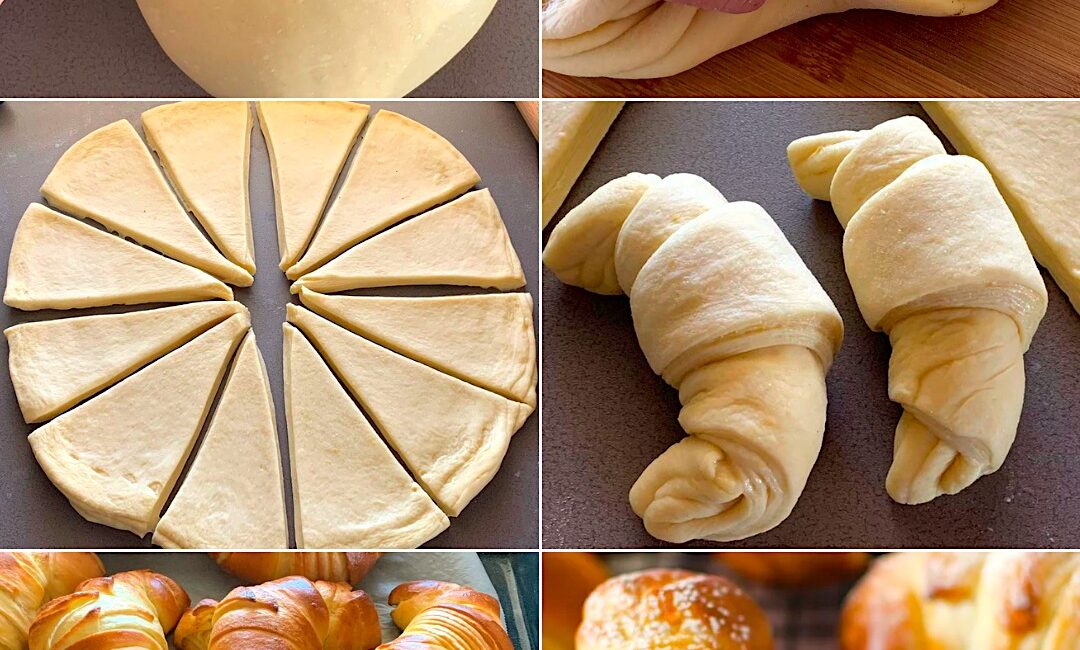
Croissants are one of the most beloved pastries in the world, synonymous with French breakfasts, café culture, and buttery indulgence. The mere thought of biting into a perfectly golden, flaky, and ultra-soft croissant can evoke a feeling of culinary bliss. While many associate croissants with professional bakeries and complex French techniques, making homemade croissants that rival those from top patisseries is completely achievable with patience, precision, and the right ingredients. This guide will walk you through everything you need to know to create ultra-soft homemade croissants, from selecting ingredients to mastering the delicate layers, shaping techniques, and baking secrets.
Whether you are a beginner baker or an experienced pastry enthusiast, this guide will ensure that your croissants are light, airy, buttery, and irresistibly soft.
Why Homemade Croissants Are Worth the Effort
There’s something uniquely satisfying about making croissants at home. Unlike store-bought versions, homemade croissants offer:
- Freshness: Nothing beats the aroma of freshly baked croissants filling your kitchen.
- Control over ingredients: You can use high-quality butter, organic flour, or milk, avoiding preservatives and additives.
- Customizable flavors: Add chocolate, almond paste, or fruit fillings to create personalized variations.
- Satisfying skill-building: Croissant-making teaches patience, dough handling, and the art of laminating pastry.
The process may take a few hours, but the result—a tray of golden, ultra-soft, perfectly layered croissants—is worth every minute.
Ingredients for Perfect Croissants
Achieving the perfect croissant starts with selecting the right ingredients. Every element plays a crucial role in flavor, texture, and flakiness. Here is the ingredient breakdown for approximately 10–12 croissants:
- 500 g all-purpose flour: Provides the structure for your croissants. High-protein flour (bread flour) can increase elasticity.
- 1 egg: Adds richness and helps with the dough structure.
- 10 g dry yeast (or 20 g fresh yeast): Essential for fermentation and rise.
- 80 g granulated sugar: Balances flavor and promotes browning.
- 1 packet of vanilla sugar: Adds a subtle aromatic sweetness.
- 250 ml lukewarm milk: Activates the yeast and creates a tender dough.
- 60 g melted butter: Adds richness and tenderness to the dough.
- A pinch of salt: Enhances flavor.
- 100 g soft butter for laminating: For creating the delicate layers.
- 1 egg yolk (for glaze): Produces a golden, glossy finish.
Optional: powdered sugar for a light finishing dust.
Step 1: Preparing the Croissant Dough
The base of a croissant is a soft, elastic, slightly sweet yeast dough. Getting the dough right is crucial for ultra-soft results.
- Activate the yeast:
In a large mixing bowl, combine lukewarm milk, sugar, and yeast. Stir gently and let it rest for 5–10 minutes until frothy. This ensures the yeast is active and ready to create a light, airy texture. - Mix the wet ingredients:
Add the egg and melted butter to the yeast mixture, stirring until fully incorporated. - Combine dry ingredients:
In a separate bowl, mix the flour, salt, and vanilla sugar. Gradually add this to the wet mixture, stirring to form a dough. - Knead the dough:
Knead for 10 minutes until smooth and elastic. A well-kneaded dough is slightly tacky but not sticky. Proper kneading develops gluten, which provides structure while maintaining softness. - First rise:
Cover the dough and let it rest for 1 hour at room temperature. During this time, the dough will expand as yeast produces carbon dioxide, creating an airy structure.
Step 2: Lamination – Creating the Layers
The secret to croissants is in the lamination process. Laminating involves folding and rolling the dough with butter to create flaky layers that puff beautifully during baking.
- Divide the dough:
After the first rise, divide the dough into 6 equal balls. - Flatten and butter each ball:
Roll each ball into a thin disk and spread a thin layer of soft butter. - Stack the disks:
Place the disks on top of each other, leaving the top disk unbuttered. - Roll into a large sheet:
Gently roll the stacked disks into a large circle, maintaining even thickness.
This process mimics traditional puff pastry, giving your croissants light, flaky layers with buttery flavor.
Step 3: Shaping the Croissants
Croissant shaping is both an art and a science. Proper shaping ensures even baking and a classic crescent shape.
- Cut triangles:
Using a sharp knife or pizza cutter, cut the rolled dough into 8–12 triangles depending on desired size. - Roll into crescents:
Starting at the base of each triangle, roll toward the tip to form a crescent shape. - Position on baking sheet:
Place the croissants on a parchment-lined tray, leaving room for expansion. - Second proofing:
Allow the shaped croissants to rest for 30–40 minutes. This proofing stage lets the croissants rise further, enhancing fluffiness.
Step 4: Glazing and Baking
Click page 2 for more