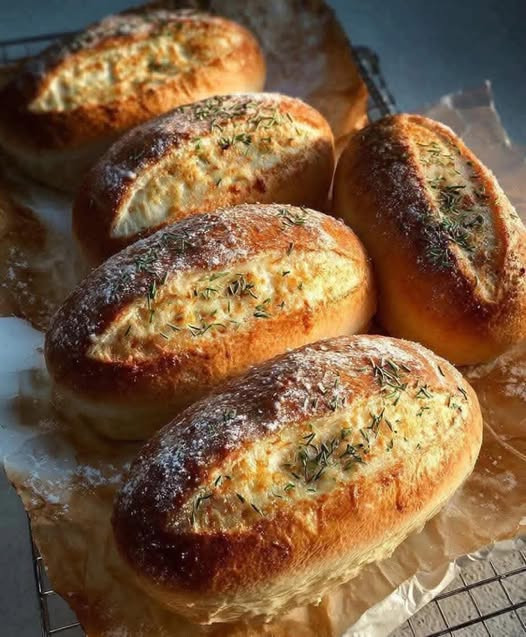
There are few aromas in the world that can compare to the warm, intoxicating scent of garlic butter crusty bread emerging from the oven. That golden, crispy exterior cracking gently under your fingertips, the steam carrying the fragrance of roasted garlic and melted butter — it’s pure comfort, pure indulgence, and pure joy.
Bread has always been one of humanity’s oldest pleasures, but when you combine it with garlic and butter — two of the most irresistible ingredients in the culinary world — something magical happens. The humble loaf becomes an experience, a moment of warmth, a symbol of hospitality and abundance.
In this article, we’ll dive deep into what makes garlic butter crusty bread so special — from its history and ingredients to the techniques that make it perfectly golden, crisp, and tender inside. We’ll explore the science behind crust formation, the art of balance between flavor and texture, and how this simple bread can elevate any meal from ordinary to unforgettable.
Prepare to fall in love all over again — because once you’ve mastered the craft of making garlic butter crusty bread at home, you’ll never look at store-bought bread the same way again.
The Allure of Garlic Butter Bread
Garlic butter bread has become a staple across cuisines worldwide — from the rustic Italian bruschetta to the French pain à l’ail, to the classic American-style garlic bread served alongside pasta. Yet the idea is universal: fresh bread, garlic, and butter are a trio that speaks directly to the soul.
It’s the perfect blend of flavors: the sweetness of roasted garlic, the saltiness of butter, and the earthy crunch of baked dough. Together, they create a symphony of taste and texture that’s nearly impossible to resist.
When baked correctly, garlic butter crusty bread has three defining layers of experience:
- A crisp, golden exterior that shatters with each bite.
- A tender, chewy interior that’s moist and flavorful.
- A glossy layer of butter infused with herbs and garlic that melts into every crumb.
It’s rustic yet elegant, indulgent yet wholesome — the kind of food that brings people to the table and keeps them there a little longer.
A Brief History: How Garlic Met Bread
Bread itself dates back over 10,000 years, and garlic has been cultivated for nearly as long. Butter joined the scene a few millennia later — and when the three finally met, culinary history was made.
Ancient Roots
Garlic was prized in ancient Egypt, Greece, and Rome for its medicinal and culinary properties. The Romans were among the first to combine garlic with fats, creating pastes and spreads for bread and meat. Early soldiers and farmers often carried bread rubbed with garlic and oil — a simple, nourishing meal that fueled labor and battle alike.
Medieval and Renaissance Influence
By the Middle Ages, European peasants baked rustic loaves in communal ovens. Garlic butter began appearing in regional recipes as both a preservative and flavor enhancer. In France, pain de campagne (country bread) evolved into crusty loaves baked in hearth ovens — perfect vessels for absorbing melted butter and garlic.
Modern Evolution
In the 20th century, the rise of Italian-American cuisine popularized garlic bread — usually made with baguettes, butter, and minced garlic, baked until golden. Over time, variations emerged: cheesy garlic bread, herb-infused loaves, and now the more artisanal garlic butter crusty bread, which celebrates traditional baking methods with modern flavor twists.
The Science of Crust: Why It’s So Addictive
What makes crusty bread so satisfying isn’t just the flavor — it’s the texture. When bread bakes, the outer layer dries out and caramelizes through the Maillard reaction, a chemical process where amino acids and sugars create hundreds of complex flavor compounds.
The key to achieving the ideal crust lies in three factors:
- Steam: Introducing steam in the early stage of baking keeps the crust soft, allowing the bread to expand fully. As moisture evaporates, the outer layer crisps.
- High Temperature: Baking at around 450°F (230°C) encourages rapid browning, giving that golden, crackling shell.
- Proper Hydration: Dough with a higher water content develops a thinner, shatter-like crust, while stiffer doughs yield thicker, rustic shells.
When garlic butter is brushed on during baking, it soaks into microscopic fissures in the crust, amplifying the aroma and adding layers of buttery crunch.
Choosing the Right Ingredients
Perfect garlic butter crusty bread begins with high-quality ingredients. Each component contributes something unique to flavor, texture, and aroma.
1. The Flour
Flour determines structure. Bread flour is ideal because of its high protein content, which creates more gluten — the network that gives bread elasticity and chewiness. For a rustic feel, a blend of bread flour and whole wheat flour adds depth and nuttiness.
2. The Yeast
Yeast is what makes the dough rise and gives bread its airy texture. Instant yeast works quickly, while active dry yeast provides a slower, more complex fermentation. Some bakers prefer sourdough starter for natural flavor and tang.
3. The Salt
Salt strengthens gluten and enhances flavor. Sea salt or Himalayan salt adds minerals that complement garlic and butter beautifully.
4. The Garlic
Fresh garlic is non-negotiable. Roasting garlic softens its sharpness and brings out its sweetness. Minced, crushed, or sliced — each cut releases different levels of aroma and potency.
5. The Butter
Butter is the soul of this recipe. Use high-quality unsalted butter so you can control the salt content. European-style butter, with its higher fat percentage, gives a richer taste and smoother texture.
6. The Herbs
Parsley is classic, but don’t be afraid to explore. Basil, rosemary, thyme, oregano, or chives add personality and freshness. A sprinkle of chili flakes can bring gentle heat.
Step-by-Step: Crafting the Perfect Garlic Butter Crusty Bread
Now that you understand the science and ingredients, let’s dive into the actual process. It’s not complicated — it just takes patience and love.
Step 1: Prepare the Dough
You’ll need:
- 3½ cups bread flour
- 1¼ cups warm water
- 2 teaspoons salt
- 2 teaspoons sugar
- 2¼ teaspoons instant yeast (1 packet)
- 2 tablespoons olive oil
Instructions:
- Combine warm water, sugar, and yeast. Let it rest for 5–10 minutes until it foams.
- Add flour and salt to a mixing bowl. Create a well and pour in the yeast mixture and olive oil.
- Mix until it forms a sticky dough, then knead for 8–10 minutes until smooth and elastic.
- Cover and let it rise in a warm place for 1–2 hours, or until doubled in size.
Step 2: Shape the Loaf
After the first rise, punch down the dough gently. Shape it into a round boule or elongated loaf. Place it on parchment paper or a floured baking sheet. Cover and let rise again for 30–45 minutes.
Step 3: Preheat and Create Steam
Preheat your oven to 450°F (230°C) with a cast iron pan or baking stone inside. Just before baking, place a tray of hot water at the bottom of the oven — this will create the steam needed for that beautiful crust.
Step 4: Bake the Bread
Score the top with a sharp knife for controlled expansion. Bake for 25–30 minutes or until golden brown and hollow-sounding when tapped.
Step 5: Make the Garlic Butter
While the bread bakes, prepare your garlic butter spread:
- ½ cup unsalted butter (softened)
- 4 cloves roasted garlic (mashed)
- 1 tablespoon chopped parsley
- ½ teaspoon salt
- Optional: ½ teaspoon lemon zest or chili flakes
Mix everything together until smooth and creamy.
Step 6: Infuse and Finish
Once the bread comes out of the oven, brush the garlic butter generously over the hot crust. The butter melts instantly, seeping into every crevice, giving the loaf its irresistible sheen.
For extra decadence, you can return the loaf to the oven for 5 minutes to caramelize the butter and crisp the edges.
Variations and Flavor Twists
Garlic butter crusty bread is endlessly adaptable. Once you master the base, you can reinvent it in dozens of ways.
1. Cheesy Garlic Bread
Add shredded mozzarella, parmesan, or cheddar to the butter mixture. Bake until bubbly and golden. The combination of melted cheese and garlic butter is pure bliss.
2. Herbed Mediterranean Loaf
Blend oregano, thyme, and rosemary into your butter. Add sun-dried tomatoes or olives to the dough for a Mediterranean flair.
3. Spicy Jalapeño Garlic Bread
Mix minced jalapeños or red chili flakes into your garlic butter for a fiery twist that pairs perfectly with creamy pasta or soup.
4. Roasted Garlic and Onion Bread
Roast whole garlic bulbs and caramelized onions together, then mash them into the butter. Spread it on your loaf before baking for deep, savory complexity.
5. Garlic Herb Focaccia
Use the same dough base, press it into a baking tray, drizzle with olive oil, and brush with garlic butter before baking. Sprinkle coarse salt on top for a beautiful finish.
Pairing Garlic Butter Crusty Bread with Meals
This bread is incredibly versatile — it enhances almost any dish.
With Pasta
Serve alongside spaghetti carbonara, creamy alfredo, or tomato basil pasta. The buttery garlic flavor complements rich sauces perfectly.
With Soups and Stews
Click page 2 for more