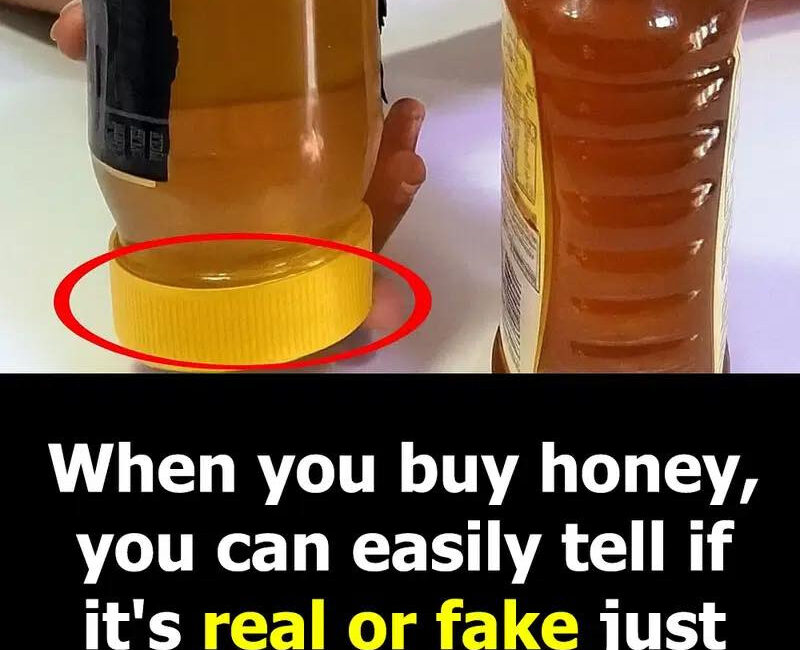
Honey has always been more than just a sweet treat. It’s nature’s golden nectar, a natural medicine, a beauty enhancer, and an ancient symbol of purity and wellness. But in today’s world, when supermarket shelves overflow with different brands and varieties, one major question lingers: Is the honey you’re consuming truly pure?
With growing awareness about food authenticity and health benefits, many people are becoming increasingly concerned about fake honey—also called adulterated honey. Counterfeit honey often contains sugar syrup, glucose, molasses, or corn syrup, making it cheaper to produce but far less beneficial to your health. The problem is, these fake versions look almost identical to pure honey, making it hard for the average consumer to distinguish the real from the artificial.
The good news? You don’t need a laboratory or advanced equipment to uncover the truth. You can easily test honey at home using a few simple methods, all based on how pure honey behaves due to its natural chemical composition. These tests rely on basic household items, simple observations, and a little patience.
Let’s explore five easy ways to test honey at home, including one method that’s so effective and surprising—it even amazed professional beekeepers!
Why It’s Important to Test Your Honey
Before diving into the tests, it’s worth understanding why testing honey matters so much. Honey has a wide range of nutritional, therapeutic, and antibacterial properties, but these benefits come primarily from its natural enzymes, antioxidants, and phytonutrients. When honey is mixed with artificial sweeteners or processed syrups, most of these valuable properties vanish.
The Risks of Consuming Adulterated Honey
- Reduced Nutritional Value: Artificially sweetened honey loses its enzymes, amino acids, and natural minerals like calcium, iron, and potassium.
- High Sugar Content: Many fake honeys contain added glucose and fructose syrups, which can raise blood sugar levels quickly.
- Health Complications: Consistent consumption of adulterated honey can increase the risk of obesity, diabetes, and liver strain.
- Allergic Reactions: Impure honey might include residues of chemicals, antibiotics, or pesticides.
- Loss of Natural Healing Power: Pure honey is antibacterial and anti-inflammatory, but fake honey doesn’t offer the same healing benefits for wounds or sore throats.
Because of these risks, testing honey at home isn’t just a curiosity—it’s an important step in ensuring your family’s health and well-being.
Understanding Pure Honey: What Makes It Special
Before you start testing, it helps to know what real honey actually is. Genuine honey is a natural product made by bees from the nectar of flowers. During the process, bees transform nectar using enzymes in their saliva, then store it in honeycombs, allowing it to evaporate and thicken naturally.
Here are a few key characteristics of pure honey:
- Thick and sticky texture: It should flow slowly.
- Natural aroma: Real honey smells floral or earthy, depending on the type of flowers the bees visited.
- Crystallization: Over time, pure honey tends to crystallize or solidify.
- No foam or froth: Real honey usually doesn’t bubble or ferment unless it’s old or contaminated.
- Distinct taste: Pure honey has a rich, complex flavor—not just sweetness.
5 Easy Ways to Test Honey at Home
Let’s get into the practical side. You’ll be surprised how much you can learn about the purity of your honey with just basic household tools and a keen eye.
1. The Water Test — The Easiest Purity Check
One of the simplest and most reliable tests for honey purity is the water test. You only need a glass of water and a spoonful of honey.
Steps:
- Fill a clear glass with water.
- Take one teaspoon of the honey you want to test.
- Drop it gently into the water—do not stir.
- Observe how the honey behaves.
Results:
- Pure Honey: It will settle at the bottom of the glass without dissolving quickly. Pure honey is dense and thick, so it tends to clump or form a lump at the base.
- Adulterated Honey: It will start dissolving in water almost immediately or spread out like syrup. This happens because added sugars or syrups make it less dense.
Why This Works:
Pure honey has a high density and low moisture content. Artificial honey contains water and other diluents, so it disperses easily. The water test is especially useful for visually spotting thin, syrup-like fake honey.
Pro Tip: For more accuracy, try stirring gently—pure honey will take longer to mix compared to fake honey.
2. The Flame Test — Fire Reveals the Truth
This method might sound a bit dramatic, but it’s a traditional purity test that’s been used for centuries. Honey, by nature, is a flammable substance—though not highly so. If your honey contains too much water or artificial additives, it won’t ignite easily.
What You Need:
- A dry cotton bud or matchstick
- A lighter or matchbox
- A small bowl of honey
Steps:
- Dip the cotton bud into the honey.
- Shake off any excess so it’s lightly coated.
- Try lighting it with a flame.
Results:
- Pure Honey: The honey-coated stick will burn with a steady flame.
- Fake Honey: If your honey contains moisture or added syrup, it won’t catch fire or will sizzle and produce a popping sound due to water content.
Safety Note:
Always perform this test in a safe, ventilated area. Keep away from flammable materials, and never use large amounts of honey for this test.
3. The Thumb Test — The Old Beekeeper’s Secret
This method is so simple yet so accurate that even seasoned beekeepers have been amazed by how reliable it can be. It doesn’t require any tools, and it gives you a quick sense of purity.
Steps:
- Place a small drop of honey on your thumb or fingertip.
- Observe how it behaves.
- Tilt your finger slightly to see if it spreads or stays in place.
Results:
- Pure Honey: It will stay intact and won’t spread easily. It feels thick, sticky, and holds its shape.
- Adulterated Honey: It will quickly start to spread or slip off your thumb because it contains added water or syrup.
Why This Surprised Beekeepers:
Many beekeepers initially doubted how such a simple test could work, but repeated trials proved that natural honey’s viscosity and surface tension make it cling firmly to surfaces. This same property helps bees store honey in combs without leakage. The thumb test effectively mimics that natural behavior.
4. The Vinegar Test — Chemistry in Your Kitchen
If you’re someone who loves a little chemistry experiment, this one will be fun. It uses vinegar, a common household acid, to detect adulteration in honey.
What You Need:
- One tablespoon of honey
- Two tablespoons of water
- A few drops of white vinegar
Steps:
- Mix honey and water in a bowl.
- Add a few drops of vinegar.
- Observe the reaction.
Results:
- Pure Honey: There will be no noticeable reaction.
- Fake Honey: It will start foaming or bubbling. This happens when added sugar or certain chemicals react with vinegar’s acid.
Why It Works:
Many adulterated honeys contain additives that can react with mild acids. The vinegar test can’t tell you how pure your honey is, but it gives a strong indication that something unnatural is present.
5. The Absorption Test — Paper Never Lies
Click page 2 for more