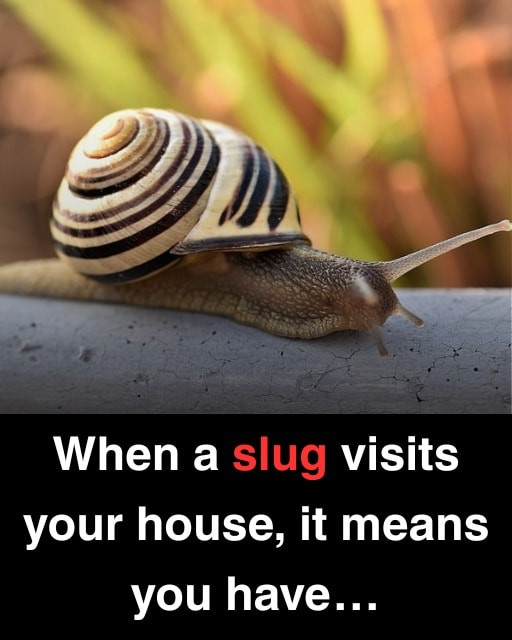
Discovering a slug in your home may seem like a minor nuisance, an insignificant crawling creature that simply wandered indoors. After all, slugs are slow, quiet, and mostly harmless compared to other household invaders like rodents or cockroaches. Yet, the presence of a slug carries layers of meaning—both practical and symbolic—that are often overlooked. From spiritual interpretations to ecological significance, a slug appearing in your domestic environment can be an eye-opening signal, a subtle message, or even a warning you cannot afford to ignore.
In this comprehensive guide, we will explore every aspect of what it could mean when a slug is in your house, including the symbolism, potential health implications, environmental context, and practical solutions to handle such an unexpected visitor. This article delves deep into the topic, offering a 3,000+ word exploration for those who want to understand both the physical and metaphysical significance.
The Physical Presence of Slugs in Homes
Before diving into symbolism, it is important to understand why a slug might enter a human dwelling. Surprisingly, their presence is often more meaningful than you might assume.
Why Slugs Wander Indoors
- Moisture Attraction: Slugs are highly sensitive to damp environments. Bathrooms, kitchens, basements, or any area with leaks or condensation are magnets for them. A slug’s appearance can signal an excess of moisture in the home, which could lead to mold or structural damage if ignored.
- Food Sources: Slugs feed on organic matter, which can include houseplants, fruits, or decaying matter. If you have indoor plants, a slug may simply be seeking a nutritious snack. This behavior can hint at both the slug’s needs and areas of your home that require attention.
- Temperature Preferences: Slugs thrive in cool, dark places. During hot summers or cold winters, they may seek shelter indoors to escape extreme outdoor temperatures.
- Entry Points: Slugs often enter homes through small cracks, vents, or open doors. Their presence may indicate structural vulnerabilities that need addressing for both pest control and home maintenance.
The Symbolism of a Slug
Beyond its biological presence, a slug carries rich symbolism that can have spiritual, emotional, and psychological implications. Throughout history, slugs have appeared in folklore, dream interpretation, and metaphysical teachings as creatures carrying profound messages.
1. Patience and Persistence
Slugs move slowly, yet they persistently reach their destination. Seeing a slug indoors may symbolize the need for patience in your life. Perhaps a personal or professional goal requires time and consistent effort to achieve, and the universe is sending a subtle reminder that progress, no matter how slow, is still progress.
2. Vulnerability and Protection
A slug’s soft body and reliance on a protective mucus layer remind us that vulnerability is a natural part of life. Their presence can encourage introspection on emotional softness and resilience. Are you protecting yourself sufficiently? Are you allowing yourself to be vulnerable where necessary?
3. Transformation and Growth
Slugs are often associated with growth cycles and slow transformation. Just as they leave a visible trail wherever they go, they remind us that our actions, no matter how small, leave an imprint. The slug’s appearance could be signaling a period of personal evolution or urging reflection on the impact of your choices.
4. Adaptation and Flexibility
Slugs can navigate tight spaces, change direction, and adapt to new conditions effortlessly. A slug inside your home may serve as a metaphor for adaptability, encouraging you to adjust to unexpected circumstances with grace.
5. Hidden Messages
In some spiritual traditions, encountering a slug indoors is interpreted as a message from the subconscious or from external spiritual forces. The seemingly mundane act of seeing a slug may hold a coded message about areas of life where attention or reflection is required.
Psychological and Emotional Interpretations
The appearance of a slug can also reflect psychological and emotional conditions:
- Slow Progress Anxiety: If you’ve been feeling frustrated with the pace of personal or professional goals, a slug may appear as a symbol that reminds you to slow down and focus on consistency rather than speed.
- Unseen Problems: Slugs thrive in dark, damp, and hidden spaces, much like unresolved emotional issues. Spotting one could be a sign to address what you may have neglected emotionally.
- Intuition and Awareness: Observing a small, slow creature like a slug encourages mindfulness and attention to subtle signals in your environment, fostering heightened self-awareness.
Environmental Implications of Slugs Indoors
Beyond symbolism, slugs can be indicators of environmental conditions within your home. Recognizing these cues can help prevent long-term problems.
1. Moisture and Humidity
Excess moisture can cause structural damage, promote mold growth, and attract other pests. A slug’s presence could indicate water leaks under sinks, behind walls, or around windows. Addressing the root cause can prevent damage and improve indoor air quality.
2. Houseplant Health
Slugs feed on decaying matter and plant foliage. If your houseplants are wilting or showing irregular damage, a slug might be the culprit. Regular inspection of leaves, stems, and soil can help identify early infestations.
3. Soil and Organic Matter
Slugs may be drawn indoors if soil is rich in organic matter or if mulch is stored near entryways. Understanding their environmental preferences can inform changes in indoor and outdoor landscaping practices.
Potential Health Concerns
While slugs are generally harmless to humans, they can carry pathogens. Understanding these risks is important for households with children, pets, or immunocompromised members.
- Bacteria Transmission: Slugs may harbor bacteria from soil and decaying matter. Contact with contaminated surfaces can pose minor health risks.
- Allergic Reactions: Some individuals may experience allergic reactions to slug mucus.
- Parasitic Risks: Certain types of slugs can act as vectors for parasites, particularly if they have been in contaminated soil outdoors.
What to Do When You Spot a Slug Indoors
Click page 2 for more