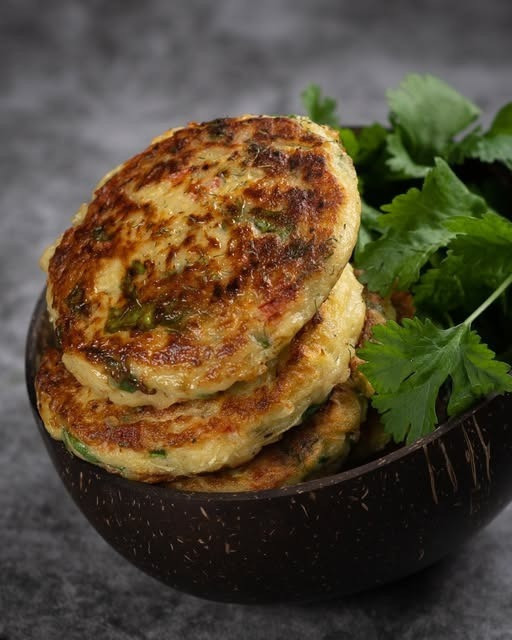
Tuna fish cakes are a culinary delight, a perfect combination of convenience, flavor, and nutrition. Among these, the “Lekker Easy Tuna Fish Cakes” stand out as a simple yet flavorful dish that captures the essence of comfort food while remaining incredibly versatile. Easy to prepare, packed with nutrients, and suitable for all ages, these fish cakes are perfect for family dinners, quick lunches, or even as party appetizers.
In this article, we will explore the origins of tuna fish cakes, delve into the ingredients, discuss detailed preparation techniques, offer variations and tips for perfect results, examine nutritional value, and provide insights into how to pair and serve these delicious fish cakes.
The Origins of Tuna Fish Cakes
Fish cakes, as a concept, have been a part of global cuisine for centuries. They are believed to have originated in Europe, where cooks would combine leftover fish with potatoes, bread, and seasonings to create a nutritious, economical dish. Over time, fish cakes evolved in different cultures, taking on unique regional flavors and ingredients.
Tuna fish cakes, specifically, became popular in coastal regions where tuna was abundant. Tuna, known for its firm texture, rich flavor, and nutritional benefits, provides an excellent base for fish cakes. The modern “Lekker Easy” style simplifies traditional methods, making the dish accessible for home cooks who want a quick, yet satisfying, meal without compromising taste or quality.
Ingredients: What Makes Lekker Easy Tuna Fish Cakes Special
The quality and balance of ingredients are crucial in creating the perfect tuna fish cakes. Each component contributes to flavor, texture, and nutritional content.
1. Canned Tuna
Canned tuna is the star ingredient. Opt for high-quality tuna packed in water for a lighter option or oil for a richer flavor. Tuna provides high-quality protein, omega-3 fatty acids, and essential minerals such as selenium, magnesium, and phosphorus.
2. Potatoes
Potatoes act as a binding agent and add a creamy texture to the fish cakes. Boiled and mashed potatoes integrate seamlessly with tuna, absorbing flavors and helping the fish cakes hold their shape. Starchy varieties like Russet potatoes are ideal for a fluffier texture.
3. Breadcrumbs
Breadcrumbs serve two purposes: as a binding agent and as a crispy coating. Fresh breadcrumbs provide a lighter crust, while panko breadcrumbs give extra crunch. Breadcrumbs also help absorb excess moisture, ensuring the cakes are not soggy.
4. Eggs
Eggs are essential for binding the ingredients together. The protein in eggs helps hold the cakes during cooking, while the fat in yolks contributes to flavor and tenderness.
5. Onion
Finely chopped onions provide flavor depth and slight sweetness. Red onions or shallots can add a subtle sharpness, balancing the rich taste of tuna.
6. Herbs and Spices
A mix of fresh parsley, dill, or coriander elevates the flavor profile. Seasonings such as paprika, black pepper, cayenne, or garlic powder can add complexity. For a mild, family-friendly version, stick to salt, pepper, and fresh herbs.
7. Lemon Juice
A splash of lemon juice brightens the flavor and adds acidity, balancing the richness of tuna and potatoes.
8. Optional Additions
- Capers or Olives: For a briny, savory punch.
- Cheese: Parmesan or cheddar can add depth.
- Vegetables: Grated carrot, zucchini, or peas enhance nutrition and texture.
Step-by-Step Preparation: Creating Perfect Tuna Fish Cakes
Making Lekker Easy Tuna Fish Cakes requires attention to detail at every step. Proper technique ensures balanced flavor, optimal texture, and visually appealing cakes.
Step 1: Preparing the Base
- Boil the potatoes until tender. Drain and mash them thoroughly to eliminate lumps.
- Drain the canned tuna carefully to remove excess liquid, preventing soggy cakes.
- Mix the mashed potatoes and tuna in a large bowl until well combined.
Step 2: Adding Flavor and Binding
- Incorporate finely chopped onions, herbs, and any optional vegetables or seasonings.
- Crack in one or two eggs to bind the mixture. Be careful not to overmix; the mixture should be cohesive but still slightly textured.
- Adjust seasoning with salt, pepper, and lemon juice to taste.
Step 3: Shaping the Cakes
- Use your hands or a small scoop to form uniform patties. Each cake should be about 2–3 inches in diameter. Uniform size ensures even cooking.
- Lightly dredge the cakes in breadcrumbs or panko for a crispy exterior. Press gently so the coating adheres without crushing the cakes.
Step 4: Cooking Techniques
There are several ways to cook tuna fish cakes, each providing a slightly different texture and flavor:
- Pan-Frying
- Heat a skillet over medium heat with a small amount of oil.
- Cook each side for 3–5 minutes until golden brown.
- Pan-frying provides a crisp crust and a moist interior.
- Baking
- Preheat the oven to 375°F (190°C).
- Place cakes on a lightly greased baking sheet and bake for 15–20 minutes, flipping halfway through.
- Baking is healthier and produces a slightly lighter, drier crust.
- Air-Frying
- Preheat the air fryer to 360°F (182°C).
- Spray cakes lightly with cooking spray and air-fry for 10–12 minutes.
- Air-frying creates a crispy texture with minimal oil.
Step 5: Serving
Click page 2 for more