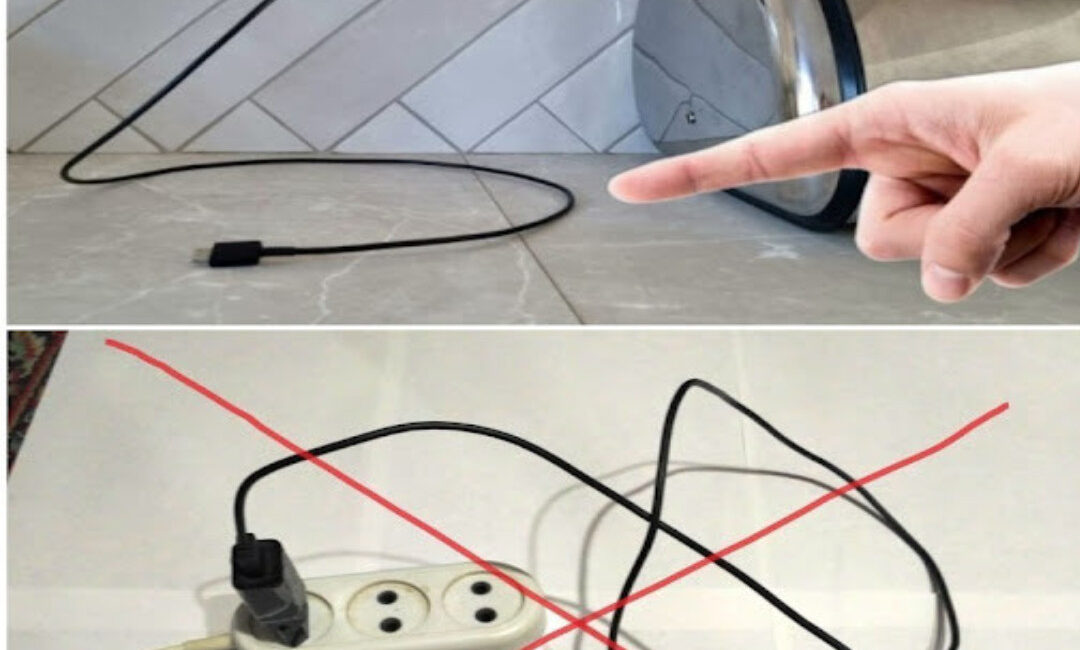
In the modern age, smartphones have become indispensable tools that keep us connected, organized, and entertained. Yet, many of us develop careless habits with one of the most essential accessories that powers these devices: the charger. It might seem harmless to leave a charger plugged into an outlet when your phone isn’t connected, but this common habit carries hidden risks. Understanding these risks is essential for anyone looking to protect their electronics, save money, and ensure safety in the home or workplace. In this article, we’ll explore the three most important reasons why you should never leave a charger plugged in without your phone, and explain the underlying science, financial implications, and safety hazards involved.
1. Energy Waste and Increased Electricity Bills
One of the most immediate consequences of leaving a charger plugged into an outlet without a device is energy waste. Even when not actively charging a phone, many chargers draw a small but continuous amount of electricity. This phenomenon is known as phantom load or standby power consumption.
How Chargers Consume Energy When Idle
Modern phone chargers contain electronic components, including transformers, diodes, and capacitors, which maintain a low level of power usage even when no device is attached. This energy consumption may seem negligible on a single device, but the cumulative effect across multiple devices in a household can be significant over time.
Example:
- If a charger draws 0.1 watts of power when idle, that may seem trivial.
- Multiply that by dozens of chargers left plugged in daily across months or years, and the cost adds up.
- On a national or global scale, idle devices contribute to massive unnecessary energy consumption, increasing demand on power plants and contributing to higher carbon emissions.
Financial Implications
For individuals, leaving chargers plugged in without a phone may seem inconsequential, but it directly impacts your electricity bill. Energy companies charge for every kilowatt-hour consumed, and idle chargers, while using minimal power per unit, still contribute.
Over a year, a single idle charger could consume 1–2 kWh of electricity, which may only cost a few cents. However, in homes or offices with multiple devices and chargers plugged in at all times, this can translate to tens of dollars in wasted energy annually. Multiply that across millions of households, and it’s clear that reducing idle power consumption is not only a personal savings strategy but also an environmentally responsible decision.
Environmental Considerations
Leaving chargers plugged in without use contributes to unnecessary carbon emissions, especially if the electricity comes from fossil fuel sources. In a world where energy efficiency and sustainability are increasingly emphasized, unplugging devices when not in use is a small but impactful step toward reducing your carbon footprint.
2. Safety Hazards and Fire Risk
While energy waste is a concern, the most critical reason to avoid leaving chargers plugged in is safety. Chargers, like any electrical appliance, are subject to wear, manufacturing defects, and potential malfunction, all of which can create fire hazards.
Electrical Overheating
Even when idle, a charger can generate heat. Low-quality or counterfeit chargers are particularly susceptible to overheating, which can degrade internal components over time. In some cases, overheating can lead to:
- Melted plastic housing
- Exposed wires
- Electrical short circuits
These risks are heightened in areas with high ambient temperatures, near flammable objects, or in poorly ventilated spaces.
Potential for Sparks and Short Circuits
Chargers left plugged in for extended periods can develop internal faults, especially if the outlet experiences voltage fluctuations. Electrical surges or spikes may create sparks inside the charger, posing a risk of fire or damage to nearby electronics.
Real-Life Consequences
Numerous household fires have been traced back to devices left plugged in without supervision. While a modern certified charger may reduce the likelihood of catastrophic failure, the risk is never zero. Particularly when combined with faulty wiring, overloading outlets, or prolonged exposure to heat, an idle charger can become a real fire hazard.
Safety Precautions
To mitigate this risk:
- Unplug chargers when not in use, especially overnight.
- Avoid using counterfeit or uncertified chargers, which lack proper safety mechanisms.
- Inspect chargers regularly for signs of wear, fraying, or discoloration.
- Keep chargers away from flammable materials such as paper, curtains, or bedding.
3. Reduced Lifespan of Your Electronics
Another often-overlooked consequence of leaving a charger plugged in without a phone is its impact on the longevity of your devices. While it may seem unrelated, idle chargers can indirectly harm your electronics.
Voltage Fluctuations and Component Stress
Chargers that remain plugged in are exposed to constant small electrical currents, which can interact with other devices or create voltage instability. In some cases, this can:
- Stress capacitors and other internal components of the charger
- Lead to inconsistent power delivery when the charger is later used
- Contribute to minor surges that affect connected devices
Even small surges, over time, can reduce the efficiency and lifespan of your smartphone battery. Lithium-ion batteries, which power modern devices, are sensitive to voltage and current irregularities. While a charger is idle, it can still transmit minor fluctuations to your phone when connected, gradually degrading battery health.
Heat Exposure
Idle chargers can generate residual heat. Placing a phone on a charger immediately after it has been unplugged without a period of cooling can expose the device to unnecessary heat. Excess heat is one of the leading causes of premature battery aging, potentially shortening the time before your smartphone requires a replacement battery.
Preventing Device Damage
To safeguard your electronics:
- Use chargers only when necessary and unplug them immediately after charging.
- Avoid leaving phones on chargers overnight—even if the charger is designed to stop delivering current once full.
- Choose high-quality chargers with built-in surge protection and voltage regulation.
Additional Considerations
While the three primary reasons—energy waste, safety hazards, and reduced device lifespan—are crucial, there are additional factors to consider:
Click page 2 for more