Household pests such as fleas, ants, and cockroaches are not just annoying—they can also pose serious health risks. These unwanted visitors often find their way into our homes despite our best efforts to keep them out. Fleas can bite both humans and pets, transmitting discomfort and potential allergic reactions. Ants can contaminate food and create unsightly trails throughout the house. Cockroaches are notorious carriers of bacteria and allergens, which can exacerbate respiratory conditions such as asthma.
For many homeowners, the instinctive solution is to purchase chemical sprays and commercial insecticides. While these can be effective, they often contain harsh toxins that can harm humans, pets, and the environment. Long-term exposure to chemical pesticides can also lead to resistance in pests, making infestations harder to control over time. Fortunately, there are alternative methods that are not only safer but also highly effective.
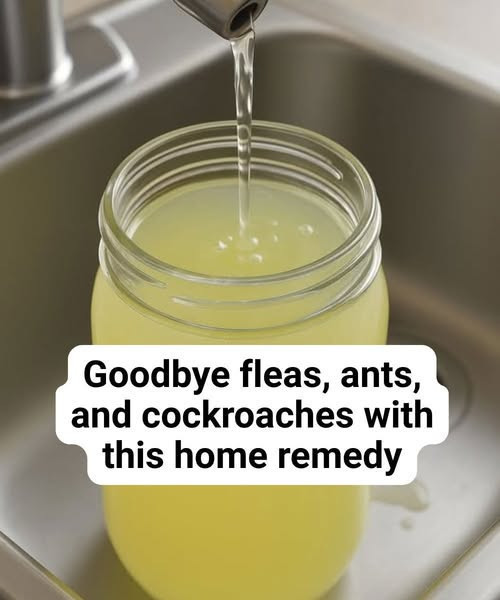
One such solution is a natural, homemade pest control remedy using simple ingredients that are commonly found in kitchens. This remedy can target multiple types of pests, including fleas, ants, and cockroaches, providing a comprehensive solution without the risks associated with commercial chemicals.
Why Natural Remedies Work
Natural pest control solutions rely on ingredients that pests find unpleasant or toxic, rather than indiscriminately killing all insects in their path. This makes them selective, eco-friendly, and safer for use around children and pets.
Mechanisms of Action
- Detergent: Liquid dish detergent acts as a surfactant, breaking down the protective exoskeleton of insects and causing them to dehydrate. It is particularly effective against soft-bodied pests like fleas.
- Alcohol or Apple Cider Vinegar: Both ethyl alcohol and apple cider vinegar disrupt the nervous system of insects, making surfaces inhospitable. Alcohol evaporates quickly, leaving no residue, while vinegar’s acidity deters insects from returning.
- Cloves: Whole cloves contain eugenol, a natural compound that repels many types of insects. The strong aromatic scent interferes with pests’ sensory perception.
- Water: Used as a diluting agent, water helps create a sprayable solution that can be applied evenly to affected areas.
This combination makes a versatile formula that is multi-functional and effective across different types of infestations.
Ingredients for the Homemade Pest Control Solution
The simplicity of this remedy is part of its appeal. All ingredients are inexpensive, easy to obtain, and non-toxic when handled properly. Here’s a closer look at each component:
- 1 cup liquid dish detergent: Acts as a surfactant to remove protective coatings on insects. Choose a gentle, eco-friendly brand to avoid harsh chemicals.
- 2 cups ethyl alcohol or apple cider vinegar: Both are effective, but apple cider vinegar is preferred for households with children and pets due to its lower toxicity.
- 2 tablespoons whole cloves: Cloves provide a strong, repelling aroma and contain natural oils that are toxic to insects.
- ¼ cup water: Helps dilute the mixture to create a sprayable consistency.
This combination balances effectiveness with safety, making it suitable for indoor use in kitchens, bedrooms, and pet areas.
Step-by-Step Preparation
Creating this homemade pest control solution is straightforward, but attention to detail ensures maximum effectiveness.
- Combine Ingredients: In a medium-sized mixing bowl, pour in 1 cup of liquid dish detergent and 2 cups of ethyl alcohol (or apple cider vinegar).
- Add Cloves: Stir in 2 tablespoons of whole cloves. Crushing the cloves slightly with a mortar and pestle can enhance their aroma and effectiveness.
- Dilute with Water: Add ¼ cup of water to the mixture, stirring gently to ensure all ingredients are evenly combined.
- Transfer to Spray Bottle: Pour the solution into a clean spray bottle for easy application.
- Label and Store: Clearly label the bottle to avoid accidental ingestion. Store it in a cool, dry place away from children and pets.
How to Use the Homemade Pest Control Solution
The method of application depends on the type of pest you are targeting. Each species has unique behaviors and hiding spots, so understanding these habits improves the effectiveness of the treatment.
Fleas
Fleas are fast-moving, tiny insects that often infest pets and carpets. They thrive in warm, humid environments and can reproduce rapidly.
Application Steps:
- Vacuum carpets, rugs, and upholstered furniture thoroughly before treatment. Dispose of the vacuum bag immediately.
- Lightly spray the solution on carpets, furniture, and pet bedding. Avoid soaking areas completely to prevent moisture damage.
- For pets, consult a veterinarian before applying any spray directly. Generally, flea combs or wipes are safer alternatives for animals.
- Repeat treatment every 3–4 days for two weeks to interrupt the flea life cycle.
Ants
Ants are attracted to food and moisture, often forming visible trails as they forage.
Application Steps:
- Identify entry points and trails by observing ant movement.
- Spray the solution directly on ant trails and near entry points.
- Allow the solution to air dry; ants will avoid areas treated with this mixture.
- Reapply as needed, particularly after cleaning or exposure to rain or water if used outdoors.
Cockroaches
Cockroaches hide in dark, damp areas such as kitchens, bathrooms, and behind appliances. They can be difficult to eliminate due to their nocturnal activity and high reproduction rate.
Application Steps:
- Spray the solution around areas where cockroaches are likely to hide, such as under sinks, behind refrigerators, and along baseboards.
- Focus on cracks, crevices, and other tight spaces.
- Keep treated areas dry after application to maintain effectiveness.
- Repeat weekly until infestation is under control.
Advantages of This Home Remedy
Click page 2 for more