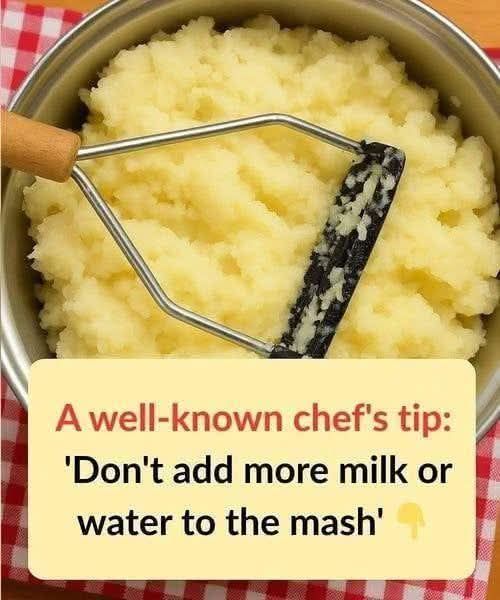
Mashed potatoes are one of those dishes that never fail to bring comfort. Silky, buttery, and indulgent, they’re the perfect side for almost any meal — whether it’s a roast dinner, grilled chicken, steak, or even a simple weeknight dish. But let’s be honest: while everyone loves mashed potatoes, not everyone knows how to make them truly restaurant-quality.
Most home cooks rely on the classic method — boiling potatoes, mashing them, and then adding milk, cream, or water. While that produces decent results, it often lacks the richness and luxurious texture that you find at top-tier restaurants. What if we told you that a world-renowned chef swears by a completely different ingredient — one that makes mashed potatoes unbelievably creamy, flavorful, and smooth?
This culinary secret isn’t just about taste — it’s about science, technique, and texture. Once you try it, you’ll never go back to the traditional way again.
So, grab your potatoes and prepare to learn the ultimate chef’s secret to making mashed potatoes so rich and velvety, they’ll rival the best fine-dining restaurants in the world.
The Secret Ingredient: Heavy Cream or Crème Fraîche (Not Milk or Water!)
That’s right — the secret ingredient isn’t milk, water, or even plain cream. The real magic comes from using heavy cream or crème fraîche, sometimes enhanced with melted butter and a touch of cream cheese or mascarpone.
Why does this make such a difference? It’s all about fat content and texture balance. While milk or water thins out mashed potatoes, heavy cream adds body, depth, and luscious richness. The fat molecules coat each potato particle, resulting in a smoother, silkier texture that clings beautifully to your fork.
Meanwhile, crème fraîche (a French-style cultured cream) adds a subtle tang and luxurious mouthfeel that elevates your mash from simple comfort food to gourmet-level sophistication.
Understanding the Science Behind Creamy Mashed Potatoes
Before diving into the recipe, it’s helpful to understand why some mashed potatoes turn out grainy, gluey, or dry — while others are creamy, airy, and luxurious. It all comes down to starch management and fat integration.
1. The Role of Starch
Potatoes are naturally rich in starch. When you overwork or overheat the starch molecules, they break down, releasing sticky gluten-like chains that make your mash gummy. That’s why using the right type of potato — and the right mashing technique — is critical.
2. The Role of Fat
Fat acts as a buffer. It coats the starch granules, preventing them from overdeveloping. That’s why chefs rely heavily on butter, cream, and other fats to achieve that silky consistency. Milk, while common, often adds too much moisture without enough fat to counterbalance the starch — leading to a watery, thin mash.
3. The Secret Balance
The perfect mashed potatoes strike a balance between moisture, fat, and aeration. By using heavy cream or crème fraîche instead of milk, you get the perfect creaminess without sacrificing structure. It’s pure, rich, and indulgent.
Choosing the Right Potato
Not all potatoes are created equal — and this is one of the most crucial decisions you’ll make when crafting perfect mashed potatoes.
1. Russet Potatoes (Idaho Potatoes)
These are the classic choice. Russets are high in starch and low in moisture, meaning they yield a fluffy, airy mash that absorbs butter and cream beautifully. If you want that traditional cloud-like texture, this is your best bet.
2. Yukon Gold Potatoes
These golden beauties have a naturally buttery flavor and a slightly waxier texture. They’re perfect for creamy mashed potatoes that are denser and more luxurious. Many professional chefs actually prefer Yukon Golds because of their natural flavor and smooth consistency.
3. Red or New Potatoes
While not traditional, red potatoes can make excellent rustic-style mashed potatoes with their thin skins left on. They’re less starchy but have a wonderful earthy flavor.
Pro Tip:
For the ultimate texture, try combining half Russets and half Yukon Golds. This blend gives you the perfect balance of fluffiness and richness.
The Ingredients You’ll Need
Here’s the ingredient list for the creamiest mashed potatoes you’ll ever make — inspired by restaurant-quality recipes and perfected by professional chefs.
Ingredients:
- 2 pounds (900g) potatoes (Yukon Gold or Russet)
- ½ cup (120 ml) heavy cream or crème fraîche
- 4 tablespoons unsalted butter (plus extra for serving)
- 2 tablespoons cream cheese or mascarpone (optional but highly recommended)
- Salt, to taste
- Freshly ground black pepper, to taste
- Optional: 1 clove garlic, minced or roasted
- Optional garnish: chopped chives, parsley, or crispy shallots
Step-by-Step: How to Make the Creamiest Mashed Potatoes Ever
Let’s go through each step carefully. This is where technique matters most.
Step 1: Preparing the Potatoes
Peel your potatoes (unless you prefer a rustic mash). Cut them into evenly sized chunks — roughly 1 ½ inches thick. Uniform size ensures even cooking, preventing some pieces from turning mushy while others remain undercooked.
Chef’s Tip:
Soak the potato chunks in cold water for about 20–30 minutes before boiling. This helps remove excess surface starch, which prevents gumminess later.
Step 2: Boiling the Potatoes
Place the potatoes in a large pot, cover them with cold water, and add a generous pinch of salt. Bring to a gentle boil over medium heat.
Boil until the potatoes are fork-tender — meaning a fork should easily slide through the center of a chunk without resistance. This usually takes about 15–20 minutes.
Pro Tip: Avoid boiling aggressively. Vigorous boiling can cause potatoes to break apart and absorb too much water, leading to a watery texture later.
Step 3: Draining and Drying
Drain the potatoes thoroughly and let them rest in the hot pot for a minute or two. This step allows steam to escape, drying the potatoes slightly — a key secret to preventing sogginess.
You can also place the pot back on very low heat for 30 seconds to evaporate any excess moisture. The drier your potatoes, the creamier the final mash.
Step 4: Mashing the Potatoes
For silky-smooth potatoes, use a potato ricer or food mill. These tools press the potatoes into fine, even strands without overworking them. Avoid using a blender or food processor — that’s the fastest route to gluey mashed potatoes.
If you prefer a rustic texture, a traditional hand masher works fine. Just mash gently and stop once you reach your desired consistency.
Step 5: Warming the Cream and Butter
In a small saucepan, heat the heavy cream (or crème fraîche) with butter over low heat until the butter melts and the mixture is warm. Do not boil — just warm it enough to blend smoothly.
This step is vital: adding warm liquid ensures it incorporates evenly, creating a luxurious texture without cooling down your potatoes.
Step 6: Combining Everything
Slowly pour the warm cream mixture into your mashed potatoes, a little at a time, stirring gently with a wooden spoon or spatula. You’ll see the texture transform from dry to silky and cloud-like.
Next, fold in the cream cheese or mascarpone (if using). This adds extra creaminess and subtle tang, enhancing flavor depth.
Taste and adjust with salt and pepper. Remember: seasoning is key. Mashed potatoes can taste bland without enough salt.
Step 7: Finishing Touches
For a gourmet touch, stir in roasted garlic, caramelized shallots, or finely chopped chives. A drizzle of melted butter on top right before serving adds a glossy, mouthwatering finish.
If you want to take presentation to the next level, pipe the mashed potatoes into a serving dish with a pastry bag for an elegant swirl, or bake them slightly for a golden crust.
What Makes This Method So Unique
This chef-approved method stands out because it focuses on fat enrichment rather than liquid dilution. Let’s break down why it works better than traditional milk-based methods:
1. Higher Fat Ratio
Heavy cream has about 35–40% fat, compared to milk’s 3–4%. That difference completely transforms the texture — yielding an ultra-smooth, velvety mash that stays creamy even as it cools.
2. Enhanced Flavor Retention
Fat carries flavor. When you use rich cream and butter, the flavors of the potatoes, salt, and any added herbs become more pronounced, lingering on the palate.
3. Longer Shelf Life and Reheat Quality
Mashed potatoes made with milk often separate when reheated, turning watery. Those made with cream and butter retain their structure, reheating beautifully without losing richness.
Variations and Flavor Enhancements
Once you’ve mastered the base recipe, you can customize your mashed potatoes in countless ways to suit your meal or preferences. Here are some delicious ideas:
1. Garlic and Herb Mashed Potatoes
Add roasted garlic and fresh herbs like rosemary, thyme, or parsley. The aromatic oils infuse the cream mixture, creating depth and balance.
2. Truffle Mashed Potatoes
For a luxurious restaurant-level side, add a few drops of truffle oil or a spoonful of truffle butter. The earthy aroma transforms simple mashed potatoes into an elegant, high-end dish.
3. Parmesan and Cream Cheese Mash
Click page 2 for more