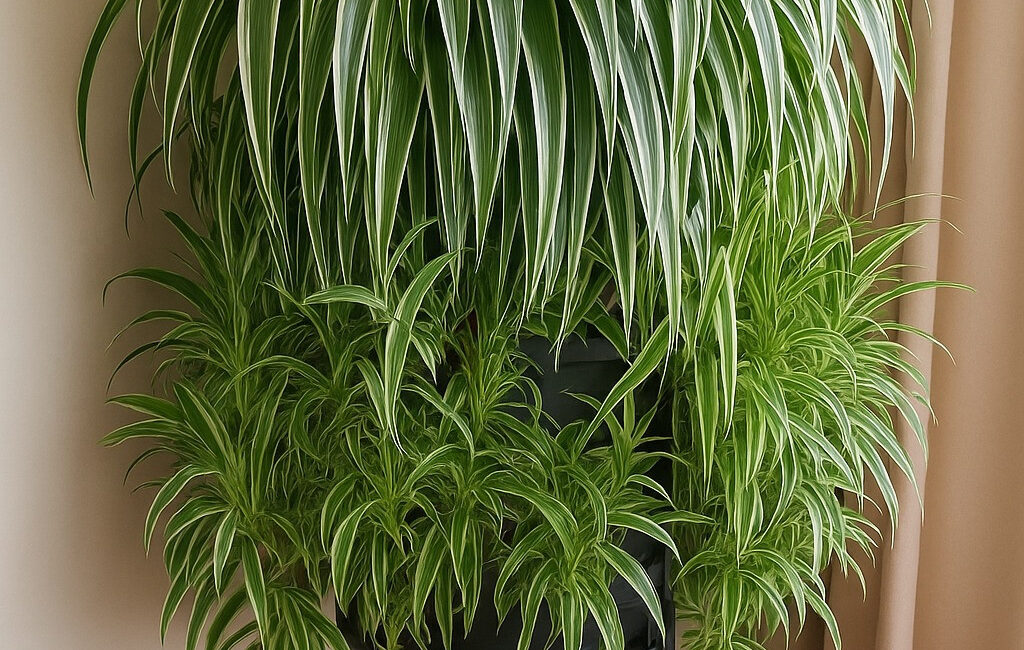
The Spider Plant (Chlorophytum comosum) is one of the most iconic and beloved houseplants in the world. Recognized for its elegant arching leaves and charming plantlets that dangle like green fireworks, the spider plant is more than just a decorative accent—it’s a symbol of growth, resilience, and natural beauty. But to truly unlock the breathtaking potential of this plant, careful attention to its care is essential.
This comprehensive guide will delve deep into 7 crucial spider plant care tips to ensure your plant not only survives but thrives—rewarding you with lush growth, radiant blooms, and an everlasting indoor jungle aesthetic.
1. Optimize Lighting Conditions for Vibrant Growth
One of the most misunderstood elements of spider plant care is lighting. While spider plants are renowned for their adaptability, optimal lighting conditions can mean the difference between a struggling plant and one that produces endless offshoots and blooms.
Bright, Indirect Light Is the Gold Standard
Spider plants flourish under bright, indirect sunlight. Placing them near east or north-facing windows allows them to receive ample filtered light without the risk of leaf scorching. Avoid placing your plant in direct sun, especially during peak afternoon hours, as this can lead to leaf burn and discoloration.
Fluorescent and LED Grow Lights for Low-Light Homes
For apartments or rooms with limited natural light, consider supplementing with LED grow lights. These mimic natural sunlight and are a cost-effective way to boost photosynthesis, especially during winter months. Choose full-spectrum lights for best results and keep them on a 12–14 hour cycle.
Signs of Poor Lighting
- Pale, leggy leaves
- Little or no variegation
- Slow or stunted growth
- Drooping or yellowing foliage
By adjusting light exposure, you can enhance not just the plant’s health but its aesthetic appeal, making it a true showpiece.
2. Master the Watering Cycle: Balance Is Key
Water is life, but when it comes to the spider plant, overwatering is the silent killer. Due to their semi-succulent roots, spider plants are prone to root rot when left in soggy soil for extended periods.
How Often Should You Water?
The key is to let the top inch of soil dry out between waterings. Typically, this means watering every 7–10 days, but it can vary based on season, humidity, and container size.
Water Quality Matters: Avoid Fluoride and Chlorine
Spider plants are sensitive to chemicals commonly found in tap water—particularly fluoride and chlorine. These can cause brown tips, which are not just unsightly but a sign of chemical stress.
Best Watering Solutions:
- Use filtered, distilled, or rainwater
- Allow tap water to sit for 24 hours to let chlorine dissipate
- Water in the morning to allow excess moisture to evaporate during the day
Pro Tip:
Always water thoroughly until you see excess water drain out of the bottom. This prevents salt build-up, which can also cause leaf damage over time.
3. Soil Secrets: The Foundation of Healthy Spider Plants
If lighting and watering are the lifeblood, then soil is the skeleton that supports your spider plant. A healthy root system begins with the right soil composition.
Ideal Soil Type
Spider plants thrive in well-draining, loamy soil rich in organic matter. A mix of:
- 2 parts peat or coco coir
- 1 part perlite or pumice
- 1 part compost
This combination ensures good aeration, prevents compaction, and retains just the right amount of moisture.
Importance of pH Balance
Spider plants prefer slightly acidic to neutral pH levels (6.0–7.0). An unbalanced pH can lead to nutrient lockout, preventing the plant from absorbing essential minerals like iron and magnesium.
Repotting for Root Health
Repot every 1–2 years or when roots begin circling the pot’s base. Use a container with adequate drainage holes to minimize root rot risk.
4. Fertilize for Lush Foliage and Flowering
Feeding your spider plant is essential for sustained health and flowering. With the right fertilizer regimen, you’ll notice greener leaves, more runners, and even delicate white blossoms.
Best Fertilizers for Spider Plants
Choose a balanced, water-soluble fertilizer such as a 10-10-10 or 20-20-20 NPK ratio. If you want to promote blooming, opt for a bloom booster fertilizer higher in phosphorus (middle number).
Frequency:
- Fertilize every 4–6 weeks during spring and summer
- Cut back to once every 8 weeks or stop altogether in winter
Avoid Over-Fertilizing
Too much fertilizer can lead to salt build-up, causing leaf tip burn and yellowing. Flush the soil with clean water every 2–3 months to prevent this.
5. Temperature and Humidity: Recreating Natural Conditions
Native to the tropical and subtropical regions of Africa, spider plants crave warm temperatures and moderate humidity.
Ideal Climate Conditions:
- Temperature Range: 65°F to 80°F (18°C to 27°C)
- Humidity Levels: 40%–60%
Cold Sensitivity
Spider plants are not frost-tolerant. Exposure to temperatures below 50°F (10°C) can result in blackened or mushy leaves. Keep them away from drafty windows or air conditioning vents.
Boosting Indoor Humidity
During dry seasons or in homes with central heating:
- Use a humidifier
- Group plants together for a microclimate effect
- Place a water-filled pebble tray under the plant pot
Consistent humidity prevents leaf tips from drying out and improves overall plant vigor.
6. Pruning, Propagation, and Grooming for Aesthetic Appeal
Regular grooming not only keeps your spider plant beautiful but also encourages growth and propagation.
Pruning for Health and Shape
Click page 2 for more