If your scrambled eggs consistently turn out dry, rubbery, or bland, you’re not alone. Millions of home cooks and even some seasoned chefs struggle with mastering what seems to be one of the simplest breakfast staples. Scrambled eggs are deceptive in their simplicity. Getting them soft, silky, and bursting with flavor isn’t just about technique—it comes down to a secret ingredient that most people never think to add.
In this comprehensive guide, we’ll explore everything you need to know about creating perfect scrambled eggs—from choosing the right pan and heat level to incorporating the game-changing ingredient that guarantees creamy, luxurious texture and deep, rich flavor every single time.
Why Most Scrambled Eggs Fall Flat
Let’s start with the common pitfalls. Most people beat a few eggs in a bowl, toss them into a hot pan with a pat of butter or splash of oil, scramble until they’re solidified, and call it a day. That method might produce edible eggs, but they won’t be memorable.
Here’s what usually goes wrong:
- Overcooking: High heat causes the proteins in eggs to bond too quickly, squeezing out moisture and leading to a dry, rubbery texture.
- Under-seasoning: Eggs have a delicate flavor profile. Without enough salt, pepper, and other complementary flavors, they can taste flat or sulfuric.
- Poor mixing: Insufficient whisking leads to inconsistent texture and color.
- Wrong fat: The type of fat you use can drastically affect flavor and texture.
These missteps are easy to correct, but even when you fix them, your eggs might still lack that creamy, luxurious mouthfeel found in high-end hotel buffets or French restaurants.
So, what’s the missing piece?
The Secret Ingredient That Transforms Scrambled Eggs
Are you ready?
The secret ingredient that takes scrambled eggs from decent to divine is full-fat sour cream.
Yes, sour cream.
Just one tablespoon whisked into your eggs before they hit the pan creates an extraordinary difference. It doesn’t just add creaminess; it enhances flavor complexity, boosts moisture, and acts as a gentle buffer against overcooking.
Why Sour Cream Works
Let’s break down the science:
- Fat Content: Sour cream contains milk fats that coat the egg proteins, slowing down coagulation. This means your eggs cook more gently, staying moist and tender.
- Acidity: The lactic acid in sour cream softens the proteins in the eggs. This contributes to a custard-like texture.
- Emulsification: When whisked thoroughly with eggs, sour cream helps bind water and fat, ensuring your scramble doesn’t weep or separate.
This isn’t just theory—it’s a proven culinary technique that elevates your breakfast game to gourmet levels.
Step-by-Step: How to Make the Creamiest Scrambled Eggs Ever
Ingredients:
- 4 large eggs (pasture-raised if possible)
- 1 tablespoon full-fat sour cream
- Salt (preferably sea salt or kosher)
- Freshly ground black pepper
- 1 tablespoon unsalted butter
- Optional toppings: chives, shredded cheese, truffle oil, diced avocado
Equipment:
- Nonstick skillet or well-seasoned cast iron pan
- Silicone spatula
- Medium mixing bowl
- Whisk or fork
Step 1: Whisk with Purpose
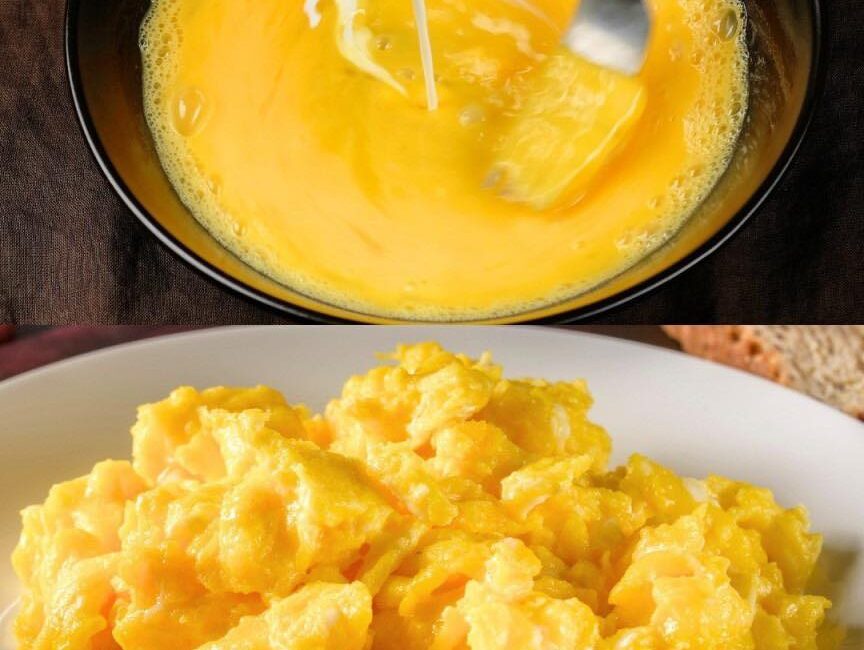
Crack the eggs into your mixing bowl. Add the sour cream and a generous pinch of salt. Now whisk aggressively—not just until combined, but until the mixture is homogenous and slightly frothy. This incorporates air, which helps achieve fluffier eggs.
The sour cream should fully dissolve into the egg mixture, leaving no visible streaks.
Step 2: Gentle Heat is Key
Place your skillet on low to medium-low heat. This is where patience pays off. Add the butter and let it melt slowly, swirling to coat the pan.
High heat might save time, but it will cost you creaminess. Low heat allows the eggs to cook slowly, preventing over-coagulation of proteins and keeping them tender.
Step 3: Stir Strategically
Pour the egg mixture into the pan and let it sit for 10–15 seconds until the edges start to set slightly. Then, use your spatula to slowly push the eggs from the edges toward the center, forming soft curds.
Resist the urge to stir constantly. Think gentle folds, not aggressive scrambles.
Step 4: Pull Before They’re Done
This is a make-or-break moment. Pull the eggs off the heat when they’re 90% cooked. The residual heat will finish them off, leaving them soft and luscious, not dry and crumbly.
Step 5: Finish and Serve
Add a touch of fresh ground pepper. If you like, top with freshly chopped chives, grated aged cheddar, or a drizzle of quality olive oil. Serve immediately on warm plates or toast.
Flavor Boosting Variations
Once you’ve nailed the basic sour cream-enhanced scrambled egg, you can start to play with luxury ingredients and gourmet variations that elevate the dish even further.
Truffle Scrambled Eggs
Add a few drops of white truffle oil just before serving. Pair with crusty sourdough or brioche.
Mediterranean Style
Stir in some crumbled feta cheese, sun-dried tomatoes, and chopped olives before cooking.
Herbaceous Delight
Fold in freshly chopped herbs like tarragon, parsley, dill, or basil for an aromatic twist.
Cheesy Comfort
Whisk in a tablespoon of mascarpone or cream cheese alongside the sour cream for ultra-decadent eggs. Add shredded gouda or gruyere just before removing from heat.
Why This Works for Any Diet
Surprisingly, scrambled eggs with sour cream can fit into multiple high-value dietary niches:
- Keto-friendly: High in fat and protein, low in carbs.
- Low-glycemic: Won’t spike blood sugar.
- High-protein: Perfect for muscle repair and satiety.
- Gluten-free: Naturally free of gluten and adaptable for intolerances.
- Low-carb breakfast: Ideal for weight loss and metabolic health.
Click page 2 for more