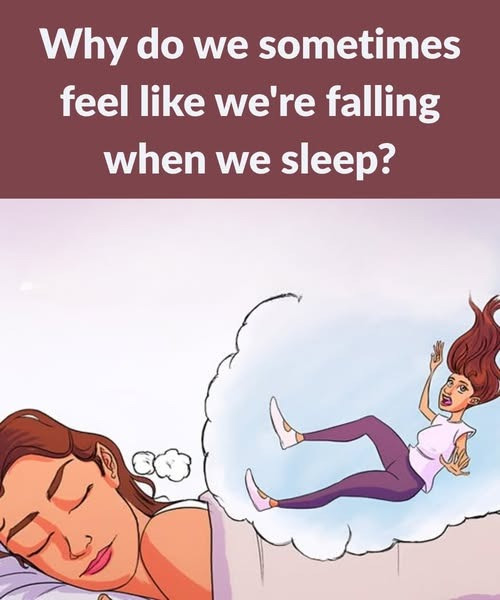
If you have ever experienced the sudden and startling sensation of your body jerking as you begin to fall asleep, you know how confusing and unsettling it can be. One moment you are peacefully drifting into rest, and the next, a sharp twitch, spasm, or jolt disrupts your calm. These involuntary movements—often called hypnic jerks—are a common, yet mysterious part of the sleep process. While typically harmless, understanding why they occur can provide valuable insight into your body’s health, nervous system, and lifestyle.
In this comprehensive article, you’ll learn everything about these sudden body jerks: what they are, why they happen, what factors increase their occurrence, and how you can reduce or prevent them. We’ll explore the science behind this phenomenon, its connection to stress and lifestyle habits, and when you should be concerned. By the end, you’ll be equipped to manage your nighttime jolts and improve your sleep quality.
What Exactly Are These Sudden Jerks?
The involuntary muscle spasms that occur just as you begin to fall asleep are medically known as hypnic jerks or sleep starts. They are characterized by abrupt, often powerful contractions of muscle groups that can cause a sensation of falling, twitching limbs, or a sudden jerk of the entire body.
These jerks usually happen during the transition from wakefulness to sleep—the hypnagogic state—when your brain and body are shifting gears. Your muscles start relaxing, your heart rate slows, and your brain waves begin changing from wakeful beta waves to slower alpha and theta waves typical of sleep.
The sudden muscle twitch or spasm is thought to be a miscommunication in this transition phase—your brain mistakenly interpreting the relaxation as a loss of balance or falling, and triggering a reflexive “catch yourself” movement.
How Common Are Hypnic Jerks?
Hypnic jerks are one of the most common sleep phenomena. Studies suggest that 70-90% of people experience hypnic jerks at some point in their lives. For many, they occur occasionally without causing significant sleep disruption. For others, especially those under stress or sleep deprived, they can be frequent and disturbing.
Although hypnic jerks can sometimes be mistaken for other medical issues like seizures or restless leg syndrome, their hallmark is their occurrence only at the moment of sleep onset and their brief, isolated nature.
The Biological Explanation: What Happens in Your Body and Brain?
To grasp why hypnic jerks happen, it’s essential to understand how the body prepares for sleep. The transition from wakefulness to sleep involves several coordinated changes:
- Muscle relaxation: Your muscles begin to loosen as your nervous system reduces voluntary control.
- Brain wave shift: Brain activity changes from high-frequency, alert waves to slower, more rhythmic waves.
- Autonomic nervous system adjustment: Heart rate and breathing slow down.
- Sensory system disengagement: The brain lowers awareness of external stimuli.
During this phase, however, the brain is not fully “off.” The motor system is still somewhat active, and minor glitches can occur. When the muscles suddenly relax, the brain may misinterpret this as a loss of balance or falling. This triggers a reflexive muscle contraction to stabilize the body—resulting in a hypnic jerk.
This response may also be a vestige of an evolutionary survival mechanism, where a sudden twitch helped an early human sleeping in a tree avoid falling.
Common Triggers and Contributing Factors
While hypnic jerks can happen spontaneously, several factors make them more likely or more intense:
1. Stress and Anxiety
High levels of mental or emotional stress stimulate the release of adrenaline and cortisol. This heightened nervous system activity can interfere with the brain’s ability to smoothly transition into sleep, increasing the likelihood of muscle spasms.
2. Sleep Deprivation
Ironically, the more exhausted you are, the more prone you may be to hypnic jerks. Sleep deprivation disrupts normal sleep architecture, causing abrupt transitions and instability between wakefulness and sleep.
3. Excessive Caffeine or Nicotine Intake
Stimulants like caffeine and nicotine keep the nervous system on high alert. Consuming them late in the day can delay sleep onset and increase twitching episodes.
4. Intense Physical Activity Late in the Day
Exercise promotes healthy sleep, but working out vigorously too close to bedtime raises adrenaline and muscle tension, increasing the chance of spasms.
5. Poor Sleep Environment
Noise, bright lights, uncomfortable bedding, or an irregular sleep schedule can fragment sleep and increase hypnic jerks.
6. Certain Medications
Some drugs that stimulate the nervous system, including antidepressants and stimulants, may increase muscle twitching.
When Should You Worry About Hypnic Jerks?
Usually, hypnic jerks are benign and do not require treatment. However, if they occur so frequently that they disrupt sleep or cause anxiety, or if they are accompanied by other symptoms such as:
- Difficulty breathing or chest pain during sleep
- Hallucinations or confusion upon waking
- Sudden weakness or paralysis
- Persistent daytime sleepiness or fatigue
then you should seek medical evaluation. These could indicate other sleep disorders like restless leg syndrome, periodic limb movement disorder, or even seizures.
How To Reduce or Prevent Hypnic Jerks: Practical Tips
If hypnic jerks are disturbing your sleep, there are several proven strategies to reduce their frequency and severity:
1. Manage Stress Through Relaxation Techniques
Click page 2 for more