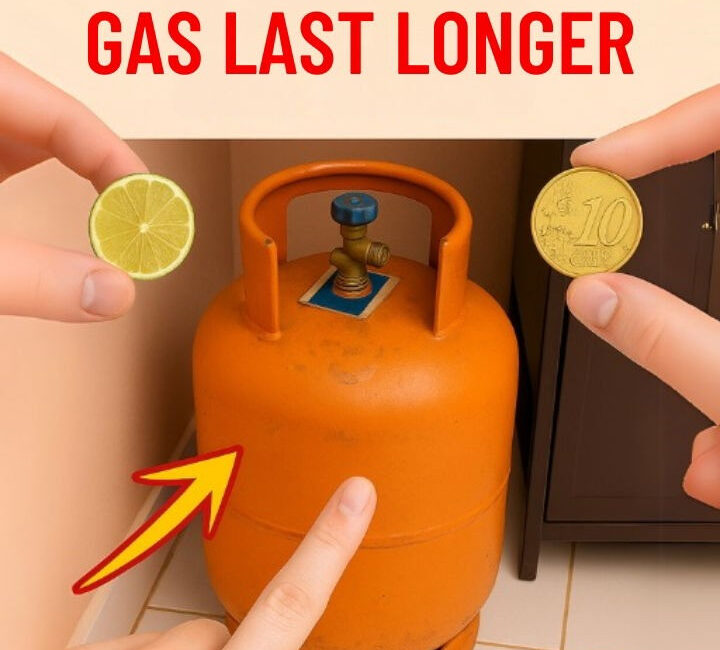
We’ve all been there: the gas cylinder you counted on for weeks disappears in what feels like days. In an era when prices creep upward and household budgets feel tighter, making your LPG (liquefied petroleum gas) or natural gas last as long as possible isn’t just a convenience—it’s a necessity. The good news is: you don’t need exotic gadgets or complex retrofits to make a difference. With careful technique, better habits, and small improvements, you can significantly reduce gas consumption without sacrificing cooking performance.
This guide covers:
- How gas burners work (and where inefficiencies arise)
- Key indicators of wasted gas
- 20+ proven techniques to cut gas usage
- Maintenance and safety strategies
- How to plan meals for fuel savings
- Realistic expectations and measuring progress
By the time you finish, you’ll have a full toolkit to cut your gas costs and ensure your cylinder lasts as long as possible.
Understanding Gas Burners & Inefficiencies
To effectively conserve gas, it helps to know how gas stoves and burners operate—and where energy is lost.
How a Burner Works
- Gas flow + air mixture: LPG or natural gas flows through the burner and mixes with air (oxygen). A proper ratio ensures clean combustion.
- Ignition: The gas-air mix is ignited, producing a flame—ideally a blue flame, meaning efficient combustion.
- Heat transfer: The flame transfers heat to the pot, which transfers heat to food. Efficiency depends on how much of that flame’s energy goes into the pot vs wasted into surrounding air.
Where Gas Is Wasted
- Poor combustion: If there’s too little air (i.e., clogged burner ports) or too much, the gas burns inefficiently, producing yellow/orange flames or soot. That signals wasted fuel.
- Excessive flame size: If the flame extends beyond the pot’s base, much of the heat escapes sideways into the air.
- Open flames during simmer: Running a flame higher than needed during simmering or holding phases wastes energy.
- Heat loss to environment: Drafts, cold cookware, insufficient insulation, or ambient airflow can carry heat away before it reaches food.
- Frequent on/off cycles: Every time you switch on the gas, more gas is consumed in ignition and initial high flow phases.
- Leaky or poorly maintained parts: Leaks at valves, connections, or worn parts let gas escape or burn inefficiently.
If you address these inefficiencies, the cumulative savings can be considerable.
Key Indicator: Flame Color
One of the simplest diagnostics of burner efficiency is the flame color.
- Strong blue flame: This is ideal. It means the gas is mixing correctly with air and combusting fully.
- Yellow or orange flame: Indicates incomplete combustion (carbon, soot). That means some gas is not being converted into heat efficiently but wasted.
If you see yellow/orange flame:
- Use a fine pin or small tool to clear burner holes from dirt, grime, or clogged openings.
- Adjust the air shutter (some burners have adjustable air intake flaps) to regulate airflow.
- Ensure the burner is clean, free of grease or residue that might block ports.
- Avoid using oversized pots that block airflow under the burner head.
20+ Proven Strategies to Make Your Gas Last Longer
Here are detailed, actionable methods to cut gas usage. Applying many together produces compounding savings.
1. Turn Down the Heat After Boil
Many home cooks exceed required flame levels out of habit. But once the water or food reaches boil, you can turn the flame down to maintain a gentle simmer or cooking rate. The residual heat and latent energy in the pot carry the process forward.
2. Use Pot Lids Religiously
Using tight-fitting lids traps heat, brings things to a boil faster, and keeps cooking temperatures stable. When you cover a pot, less energy is lost, so you can maintain on lower flame. Always keep lids on while cooking except when you must stir or check.
3. Match Flame to Pot Size
Choose a flame that covers only the pot’s base—not climbing up its sides. Flames licking the sides waste gas. Use pots with bottoms well matched to burner diameter, and avoid oversized flames for small pots.
4. Preheat Intelligently (or Avoid It)
Many recipes call for preheating pans or ovens. But over‑preheating wastes gas. Only preheat for short times if needed. For stovetop pans, start with medium heat and let the pan gradually warm.
5. Use Pressure Cookers & Covered Cookers
Pressure cookers and lidded cookware reduce cooking time by trapping steam, raising internal pressure, and accelerating heat transfer. This cuts gas usage drastically, especially for pulses, beans, meats, and grains.
6. Batch Cooking & Multi‑Tasking
Instead of cooking many small batches, cook several items in one cycle:
- Steam vegetables while one dish simmers
- Use leftover heat in pans for another dish
- Prepare soups or stews while other stovetop items cook
Minimizing start/stop cycles reduces wasted energy at each ignition.
7. Use Residual Heat
After turning off the flame, let food continue to cook in residual heat. Foods that respond well (rice, stews, grains) can finish off without active flame.
8. Use Lighter, Thinner Pots
Thinner, well-conducting metal pots (e.g. aluminum, copper base) warm quickly and transfer heat efficiently. Heavy, thick cookware retains heat but takes longer to heat. Choose pots that balance conduction, retention, and responsiveness.
9. Group Similar Cooking Tasks
Group all items needing high heat (e.g. blanching vegetables) and do them sequentially rather than switching flame levels repeatedly. Group tasks by required flame intensities.
10. Avoid Opening the Lid Often
Every time you open the lid, heat escapes and the flame must compensate. Plan stirring or checking intervals so you minimize lid removal.
11. Use Smaller Quantities of Water
When boiling, use only as much water as needed. Excess water takes extra energy to heat. Similarly, soak or pre‑moisten grains or pulses to reduce cooking time.
12. Use Hot Water Start
If possible, begin with warm or hot water (from solar heater or boiler) rather than cold. This reduces heating time.
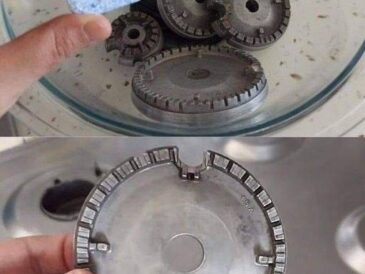
13. Clean Burners Frequently
Build-up of grease, residue, or food particles may clog ports and reduce combustion efficiency. Clean with lemon, mild detergent, or simple tools—keeping holes clear ensures proper airflow and efficient burning.
14. Monitor & Adjust Air Intake
If your stove has adjustable air intake (shutters or vents), find the “sweet spot” where flame is stable and fully blue. Too little air = yellow flame; too much = unstable flame. Fine adjustment optimizes efficiency.
15. Avoid Cooking During Peak High Temperature Times
In very hot kitchens, ambient heat rises, affecting gas combustion efficiency. Cooking early morning or evening may reduce excess heat loss and improve efficiency.
16. Seal and Insulate Kitchen Space
Prevent drafts, cross-ventilation, or windows opening near stove that blow flame or dissipate heat. A calm environment reduces waste.
17. Turn Off Burners Slightly Earlier
Turn the flame off while food continues to simmer or steam. The pot retains heat; just let it cook gently off-flame for the last few minutes.
18. Use Compatible Cookware for Gas
Magnetic stainless steel, clad cookware or those with layered conductive bases perform better. Cheap cookware with uneven bottoms wastes heat.
19. Monitor Gas Pressure & Connections
Low cylinder pressure or leakage can make burners underperform, requiring higher flame settings. Check seals, valves, regulators, and connections for leaks or blockages.
20. Avoid Frequent Ignitions
Every time you ignite the burner, there’s a short initial burst of gas. Try to avoid turning off and on repeatedly within one cooking session.
21. Use Smart Stove Controls (if available)
If your stove has simmer modes, flame sensors, or energy-saving settings, use them. They modulate flame automatically to save gas.
22. Train Household Habits & Awareness
Educate family members: don’t let flame run unattended, avoid unnecessary high flame, cover pots, etc. Small habitual changes aggregate big savings.
Maintenance, Safety & Long-Term Gas Efficiency
To sustain gas savings and operate safely, you must maintain your system and inspect key components regularly.
Click page 2 for more