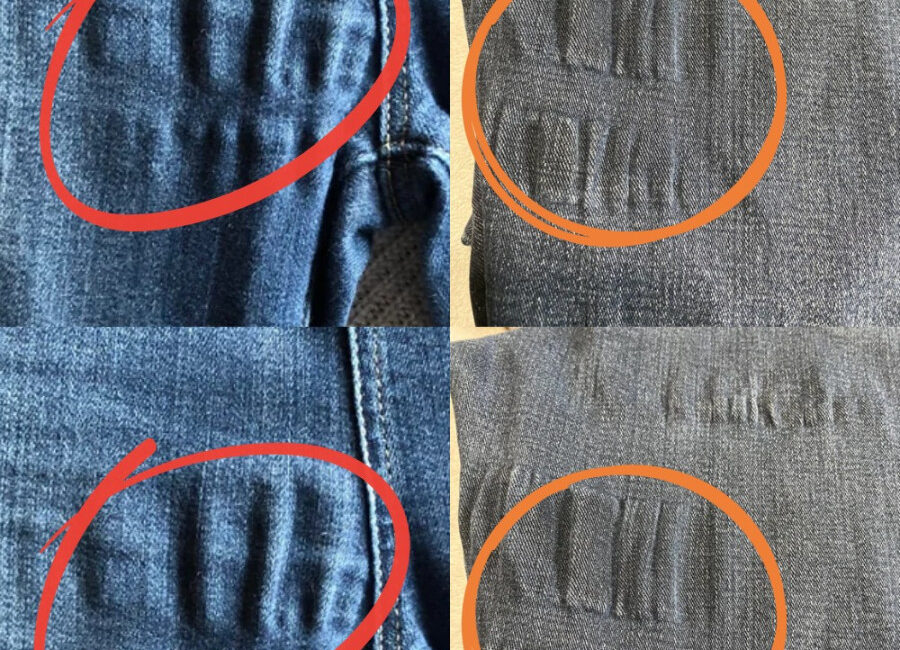
Jeans are one of the most beloved wardrobe staples worldwide, blending durability, style, and comfort into a timeless garment. Whether it’s your go-to pair for casual weekends or a stylish statement for everyday wear, few things are more aggravating than pulling your favorite jeans out of the wash, only to find them riddled with strange ripples, puckers, and wrinkles — as if the washing machine decided to wage war on your denim.
You’re not imagining it. That unexpected texture change that distorts the smooth fabric you once admired has a solid explanation. Those ripples and puckers aren’t random mishaps; they’re the result of complex interactions between fabric fibers, washing techniques, drying methods, and even how you store your jeans.
In this extensive guide, we’re diving deep into the science behind those frustrating denim ripples, why they happen, how different fibers in your jeans react to wash cycles, and, most importantly, what you can do to prevent your jeans from looking like a crumpled mess after laundry day.
Why Do Jeans Ripple, Pucker, or Wrinkle in the Wash?
Before you start blaming your washing machine, it’s crucial to understand the fiber composition of modern jeans and the mechanical stresses jeans endure during washing and drying.
The Evolution of Denim: Not Just Cotton Anymore
Traditionally, denim was 100% cotton — a sturdy, breathable, but relatively inflexible fabric. Over time, to meet consumer demands for comfort and flexibility, manufacturers began blending denim with synthetic fibers, most notably Lycra (also known as elastane or spandex). This addition allows jeans to stretch, hug curves, and move with the wearer, dramatically improving comfort and fit.
However, this stretch comes with a catch: Lycra is highly sensitive to heat and mechanical stress, making the fabric more vulnerable to damage in typical home washing and drying environments.
Heat Deteriorates Lycra and Alters Denim Fabric Structure
The primary culprit behind ripples, puckers, and wrinkles on jeans post-wash is heat — particularly the heat from the dryer. Lycra fibers, while flexible, are thermoplastic, meaning they deform when exposed to high temperatures and lose elasticity over time.
Here’s what happens at the microscopic level:
- Heat exposure breaks down the Lycra’s polymer chains, causing them to shrink unevenly and lose their springiness.
- As Lycra contracts or weakens, the surrounding cotton fibers—which are interwoven with Lycra—are pulled out of alignment.
- This fiber distortion manifests as rippling and puckering, where sections of fabric bunch up or appear wavy rather than smooth.
Importantly, this is not a uniform shrinkage like you’d expect with pure cotton but a localized warping of fabric tension that causes random patterns of puckering.
Excessive Washing Accelerates Fiber Wear and Puckering
Aside from heat, the frequency and method of washing also play significant roles. Jeans do not need to be washed as frequently as most people think. Overwashing can:
- Break down the cotton fibers leading to thinning and increased likelihood of fabric distortion.
- Weaken the Lycra’s structure by repetitive exposure to heat and detergents.
- Cause dye fading and fabric fatigue, making ripples and puckers more noticeable.
Many denim experts recommend washing jeans only after 5-10 wears or when visibly soiled to preserve fiber integrity.
Mechanical Stress: The Washer’s Spin Cycle Torture
Even if you avoid hot water and harsh drying, the physical tumbling and twisting of jeans inside the washing machine can cause ripples and wrinkles.
Imagine your jeans swirling in a cramped drum, colliding with other clothes, and being stretched in multiple directions. This:
- Distorts the weave of the denim fibers especially in high-tension areas like the knees, seat, and waistband.
- Leads to uneven fiber tension, which results in permanent creasing or puckering.
- Overloading the machine exacerbates this effect by reducing the available space for clothes to move freely, causing jeans to crumple and fold excessively.
Detergent and Water Quality Impact
Another often-overlooked factor is the type and amount of detergent used, as well as water quality:
- Harsh detergents can strip the protective coatings and finishes on denim.
- Excessive detergent residue causes stiffness and promotes wrinkling.
- Hard water minerals can interfere with detergent efficiency, leaving deposits on fabric that contribute to roughness and puckering.
Using gentle, denim-specific detergents and water softeners can reduce these negative effects.
Types of Ripples and Wrinkles on Jeans: What They Mean
Not all wrinkles or ripples on jeans are the same. Recognizing the type can help diagnose the cause and find a solution.
1. Horizontal Ripples Across Legs or Waistband
- Typically caused by heat damage to Lycra fibers, creating tension imbalances.
- Common when jeans are exposed to high dryer temperatures or hot ironing.
2. Puckering Near Seams and Stitch Lines
- Often a sign of uneven fabric shrinkage where stitching pulls tighter than the surrounding fabric.
- Can also result from fabric distortion during washing or drying.
3. Wrinkles that Look Like Creases
- Usually formed from folding or crumpling during washing or improper storage.
- Can be temporarily fixed with proper ironing or steaming.
4. General Fabric Stiffness and Roughness
- May indicate detergent buildup or damage to fabric finishes.
- Makes ripples more visible due to fabric rigidity.
How to Prevent Jeans from Rippling, Puckering, and Wrinkling: Best Practices
Prevention is key. To keep your jeans smooth and comfortable for the long haul, follow these essential guidelines:
Washing
Click page 2 for more