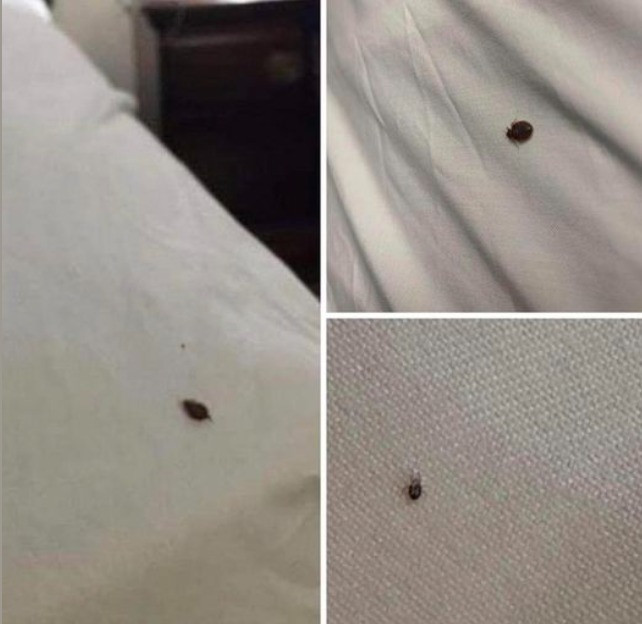
It was just another ordinary evening until last night — when my husband and I discovered something in our bed that made our skin crawl. A couple of days earlier, we noticed strange little things on our kid’s clothes. At first, we weren’t sure what to make of it. Was it just dirt? Was it some random debris? Or worse — was it a sign of an infestation?
If you’re reading this, chances are you’ve experienced something similar, and you’re wondering the same questions: What is this? Is it dangerous? How do we get rid of it?
We’ve been there — that unsettling feeling of knowing something’s wrong, but not quite knowing how bad it is or where to start. Let’s take a deep breath and get to the bottom of this together.
What Could It Be? Identifying the Culprit in Your Bed and Clothes
Finding creepy-crawly things on your bedding or your child’s clothing is stressful. The first step is to figure out exactly what you’re dealing with because the treatment will depend on the pest.
Here are the most common pests people find in their homes that might cause this kind of alarm:
1. Bed Bugs
One of the most dreaded home invaders, bed bugs are tiny, reddish-brown insects that feed on human blood — often while you’re sleeping. They’re about the size of an apple seed and can be hard to spot unless you know what to look for.
Signs of bed bugs:
- Small, dark spots on sheets or mattresses (bed bug excrement)
- Itchy, red bites on skin, often in clusters or lines
- Shed skins or tiny white eggs in mattress seams or crevices
- A sweet, musty odor in the room
Bed bugs can hitch a ride on clothing, furniture, or luggage and spread quickly if not addressed.
2. Fleas
If you have pets, fleas might be the culprit. Fleas are tiny, dark brown insects that jump and feed on the blood of humans and animals.
Signs of fleas:
- Itchy bites, especially around ankles and legs
- Flea dirt (tiny black specks that look like pepper) on clothing or bedding
- Fleas visible on pets or in carpets
Fleas can jump from pets to furniture and bedding, causing discomfort for the whole family.
3. Clothes Moths
These small, beige-colored moths can be found on or near clothing, especially in closets or drawers. Their larvae feed on natural fibers like wool and cotton.
Signs of clothes moths:
- Small holes in clothing or fabric
- Silky webs or cocoons near clothing
- Moths flying around closets or drawers
They’re not dangerous to people but can ruin clothes if not controlled.
4. Dust Mites
Unlike the others, dust mites are microscopic and invisible to the naked eye, but they can cause allergies and asthma symptoms.
Signs of dust mites:
- Increased allergy symptoms like sneezing or itchy eyes
- Dust accumulation in bedding and upholstery
You won’t find actual “bugs” on your sheets, but they can be a hidden cause of discomfort.
How to Confirm What You’re Dealing With
Knowing what’s bugging you is the key to getting rid of it. Here’s a simple checklist for identifying the pests:
- Examine the bug closely: Use a magnifying glass or take a clear photo. Are they small and flat? Do they jump? Do they look like tiny moths?
- Check for bites: Where are the bites? Are they clustered or isolated? Are they itchy?
- Look for physical evidence: Are there dark spots on sheets? Holes in clothing? Small eggs or shed skins?
- Monitor pets: Do your pets have scratching problems or visible fleas?
If you’re unsure, you can collect a few of the bugs in a sealed container or tape and take them to a local pest control expert or veterinarian for identification.
How Did They Get Here? Common Causes of Pest Infestations
Once you know what you’re dealing with, it’s important to understand how these pests got into your home to prevent reinfestation.
Bed Bugs
- Often brought in on luggage, used furniture, or clothing.
- Can travel between apartments or houses in multi-unit buildings.
- Spread easily once inside a home if not detected early.
Fleas
- Usually introduced by pets who spend time outside.
- Can hitchhike in on clothing, shoes, or secondhand furniture.
- Thrive in carpets, pet bedding, and upholstery.
Clothes Moths
- Attracted to natural fibers in clothing.
- Often come from secondhand clothing or open storage.
- Prefer dark, undisturbed areas like closets and drawers.
Dust Mites
- Thrive in warm, humid environments with lots of dust.
- Live in bedding, upholstery, and carpets.
- Spread by dust accumulation, not by “traveling” bugs.
How to Get Rid of These Pests: Step-by-Step Guide
No matter which pest is invading your bed and clothes, acting quickly is crucial to stopping the problem from escalating. Here are the best methods for each type:
Getting Rid of Bed Bugs
Step 1: Clean bedding and clothing
- Strip your bed completely and wash all sheets, pillowcases, and blankets in hot water (at least 130°F/54°C).
- Dry on the highest heat setting for at least 30 minutes to kill eggs and bugs.
Step 2: Vacuum thoroughly
- Vacuum mattresses, box springs, bed frames, and the floor around your bed.
- Use attachments to get into cracks, seams, and corners.
- Dispose of the vacuum bag immediately after to prevent escape.
Step 3: Use mattress encasements
- Invest in bed bug-proof mattress and box spring covers to trap any remaining bugs and prevent new ones.
Step 4: Declutter and inspect
- Remove clutter around your bed to eliminate hiding spots.
- Inspect furniture, curtains, and baseboards for bugs and eggs.
Step 5: Consider professional pest control
- Bed bugs are notoriously difficult to eliminate completely.
- If the problem persists, call a professional for heat treatment or insecticide application.
Getting Rid of Fleas
Step 1: Treat your pets
- Use veterinarian-approved flea treatments like topical drops, collars, or oral medications.
- Bathe pets with flea shampoo.
Step 2: Clean your home
- Wash pet bedding, blankets, and any fabric your pet comes in contact with in hot water.
- Vacuum carpets, rugs, and furniture daily, focusing on pet areas.
- Dispose of vacuum bags outside your home.
Step 3: Use flea sprays or powders
- Apply flea insecticide sprays or powders to carpets and furniture, following product instructions carefully.
Step 4: Prevent reinfestation
click page 2 to continue